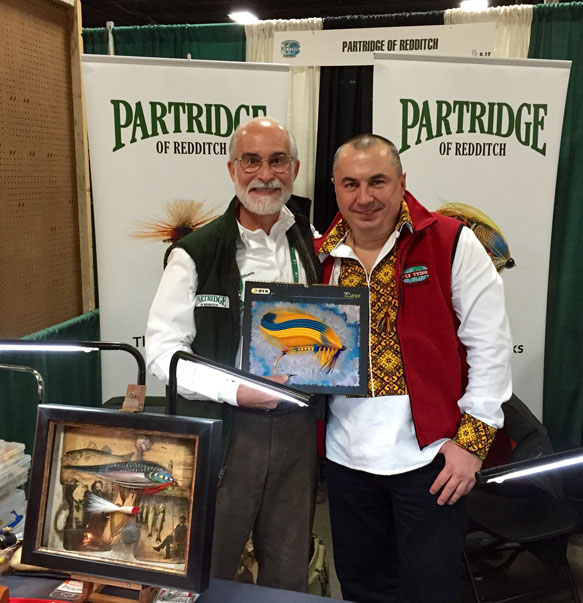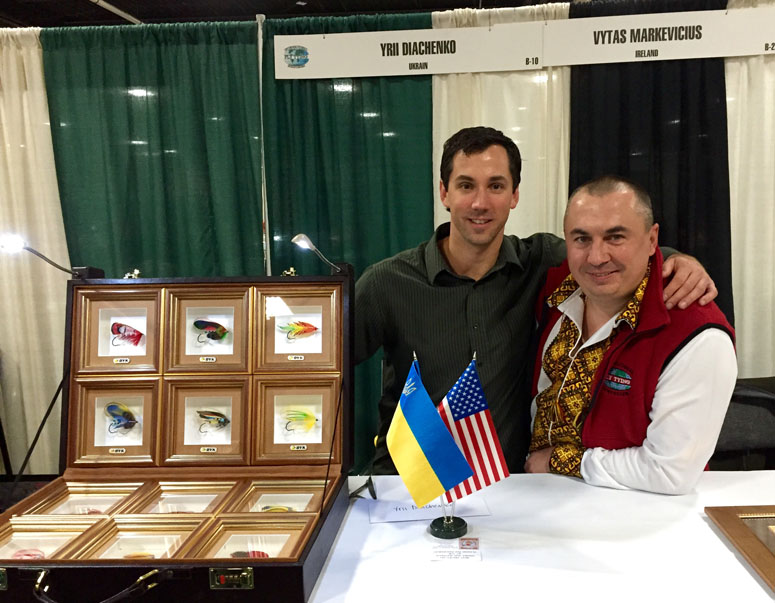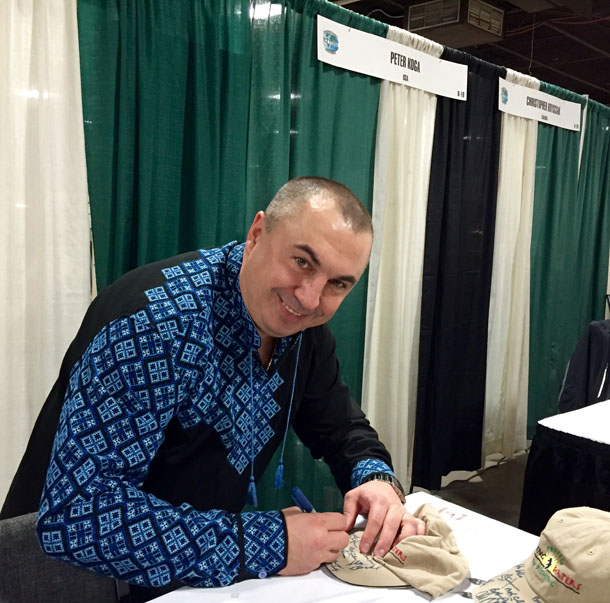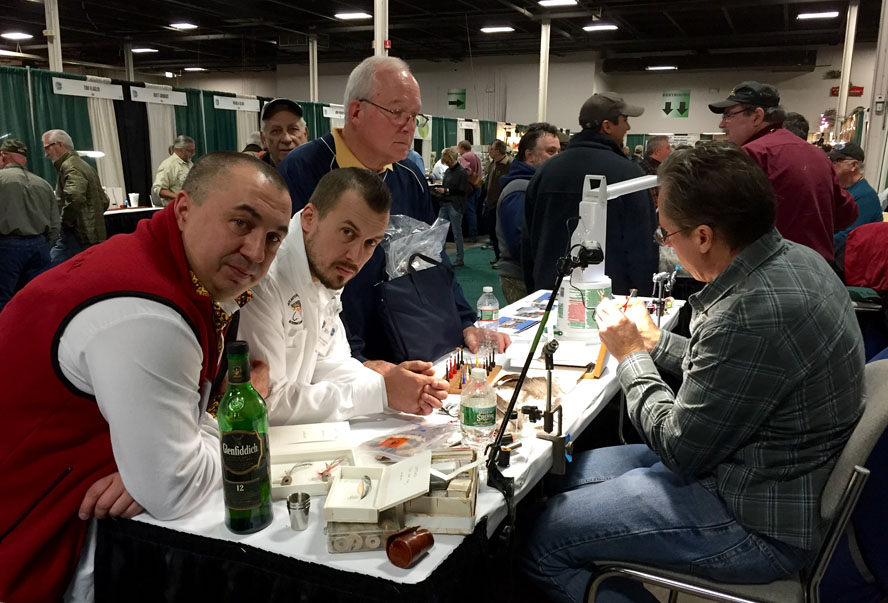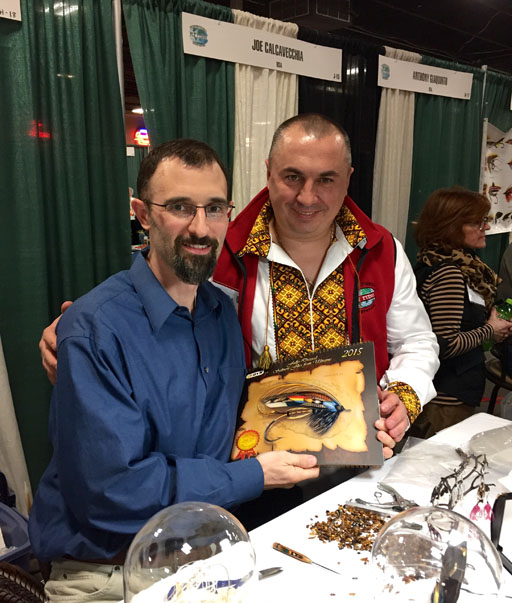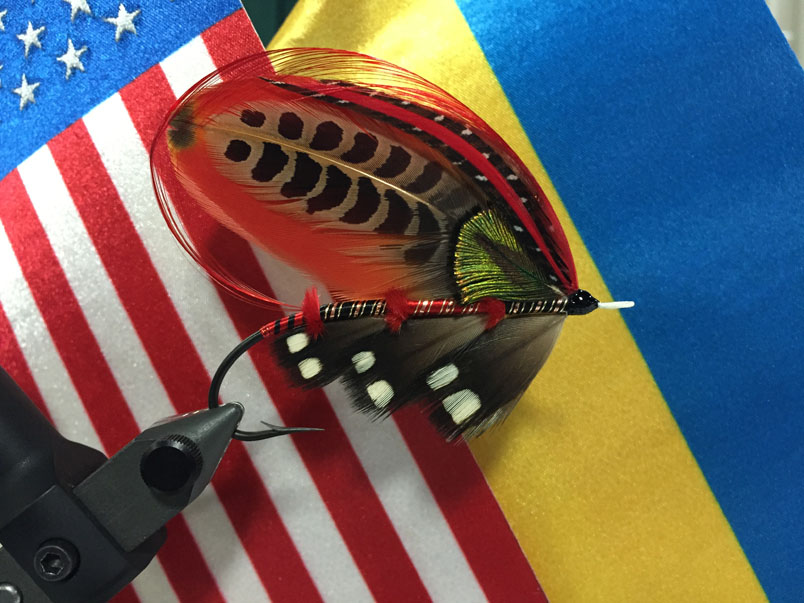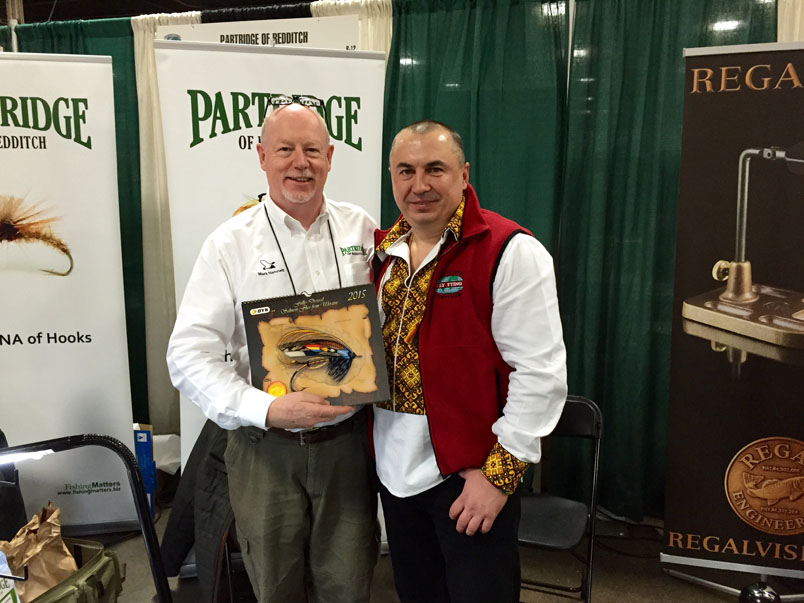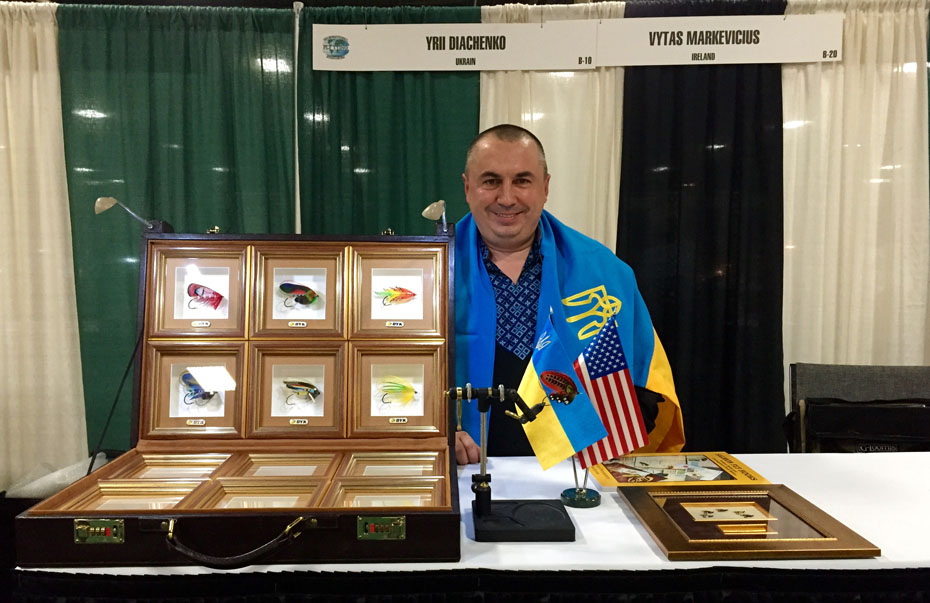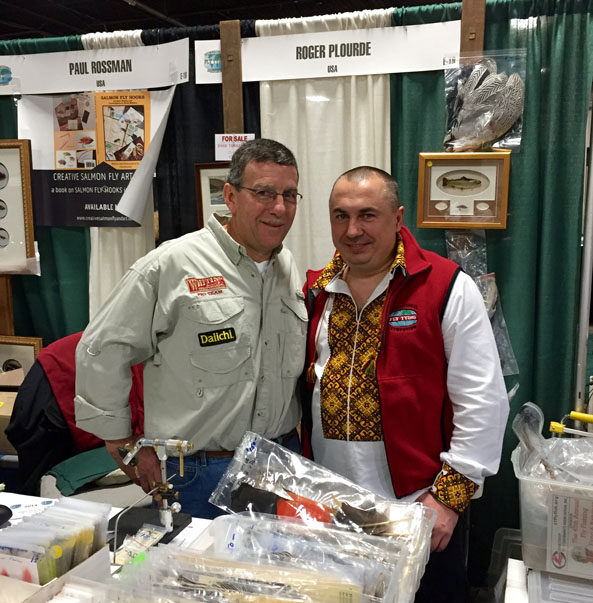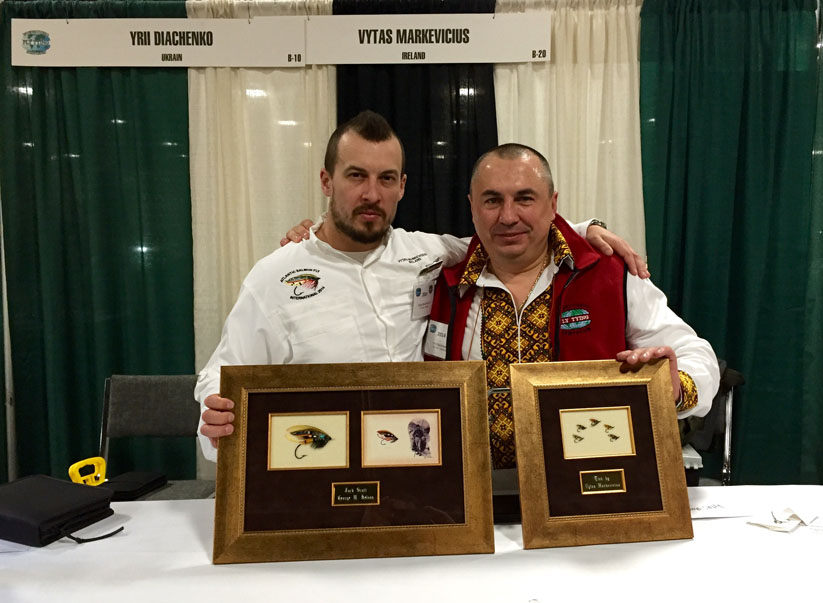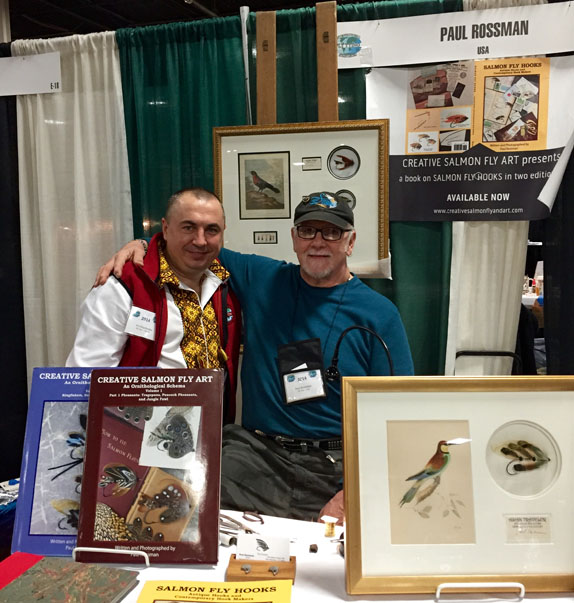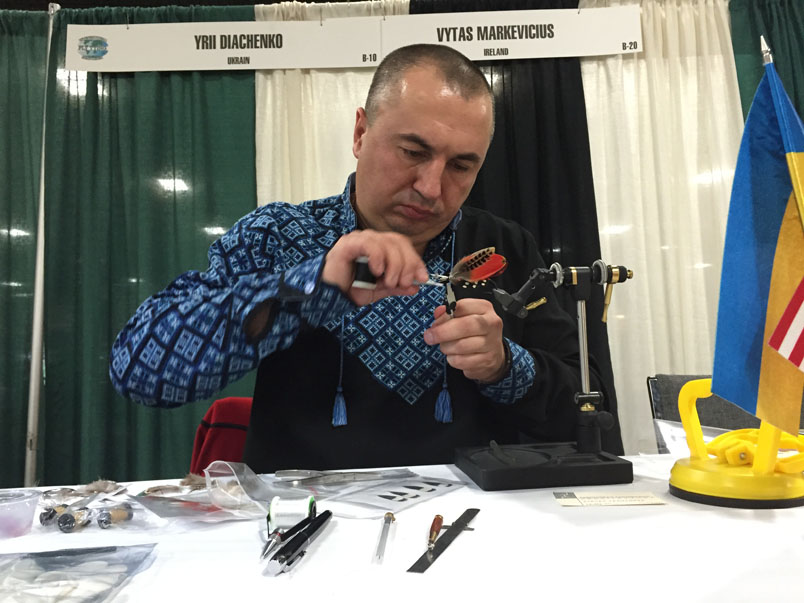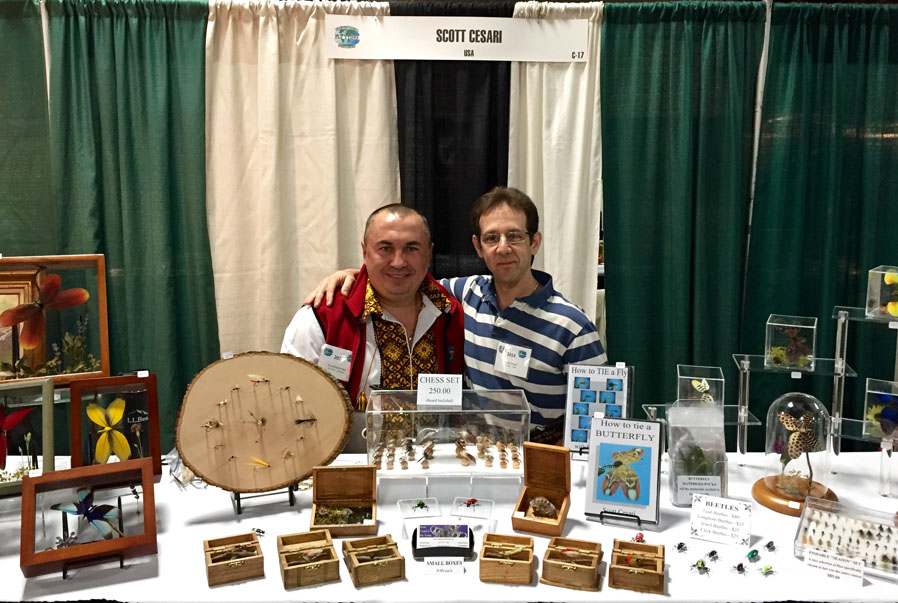

The International Fly Tying Symposium is an incredible event that was attended in 2014 by the passionate angler, fly fisher, spin fisher, and traveler Yuriy Dyachenko. This event took place in Somerset, New Jersey, and gathered the best fly and streamer tiers from around the world. Global legends demonstrated their mastery in tying wet and dry flies, showcasing various casting and retrieval techniques, and provided a historical overview of fly fishing.
Everyone who is passionate about fly fishing knows that sooner or later, the desire to tie your own flies for fishing will arise, creating something unique and original. However, this fascinating process requires a certain amount of knowledge about entomology, basic fly-tying techniques, and a minimal set of materials and tools. The natural evolution of a fly fisher typically includes learning to tie flies about a year or two after starting to fish. Some begin tying flies to reduce costs, as flies often get caught in bushes and trees wherever they go. Others want to try it out to deepen their connection to the beautiful aspects of this sport. Whatever drives you, fly tying is an essential part of the broader picture called “fly fishing.”
Dry flies are the ones that float on the surface. They imitate adult insects that break out of their cocoons and dry their wings before flying off or returning to the water to lay eggs. Since using a dry fly is much more exciting (as you can see the fish attack the lure), most patterns are designed as dry flies. Although some people distinguish between dry flies and those that float in or just below the surface film (emergers), since most of them float, they are generally grouped together as “dry” flies.
Wet flies are those that sink. They usually represent nymphs and pupae that swim to the surface to become adults. Since most insects at this stage are a delicacy in the fish’s diet, knowing how to tie these flies is important. Nymphs imitate the nymph or larval stage in the life of an insect. Since insects spend most of their lives in this stage, it is the most important for anglers. Scientists believe that 95% of a river fish’s diet consists of nymphs or larvae in some form. So, it’s hard to overstate the importance of this type of fly.
Streamers are flies that imitate fry and small fish, leeches, crayfish, and other underwater inhabitants of streams and lakes. They, too, are food for fish. By practicing all of this, you will build a foundation for your future endeavors. Experiment a little with wing materials, tail type, and body color. Remember, you can change the color of the body and wings to portray the insect you want.