
Most anglers are likely well aware of the trophy monsters that inhabit Siberia, a vast natural and historical region in Northern Asia. Siberia is bordered to the west by the Ural Mountains, to the east by the watershed ranges that divide the basins of the Arctic and Pacific Oceans, to the north by the Arctic Ocean, and to the south by the state border of Russia. The majority of Siberia’s territory became part of Russia in the 16th-18th centuries and constitutes its Asian part, which is divided into Western and Eastern Siberia. Sometimes Northern Siberia (in the mountainous part, including the Altai Krai and the Altai Republic), Northeastern Siberia, and Central (Middle) Siberia are also distinguished. The Far East historically is also part of Siberia in a broad sense and is sometimes still referred to as part of Siberia, especially in historical publications. Siberia covers an area of approximately 10 million square kilometers, stretching 7,500 kilometers from east to west and 3,500 kilometers from north to south.
Siberia boasts an enormous variety of zonal landscapes. This diversity is reflected in the abundance and variety of wildlife in these places. Each of Siberia’s landscapes has its own, to some degree, unique world of animals and plants. The rivers and lakes are home to a vast array of predatory and peaceful fish species.
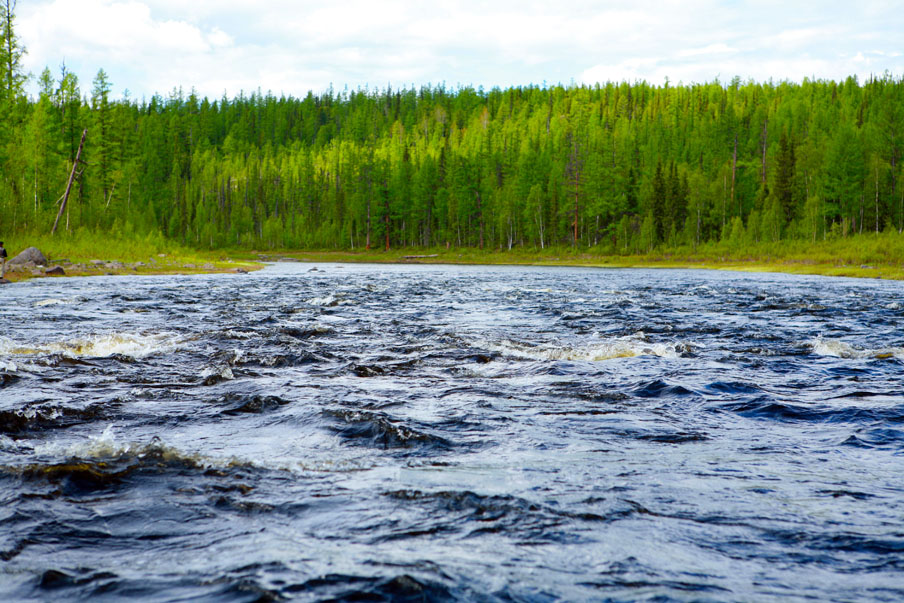
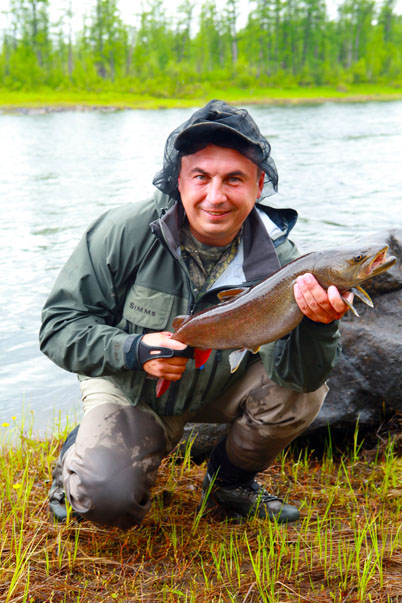
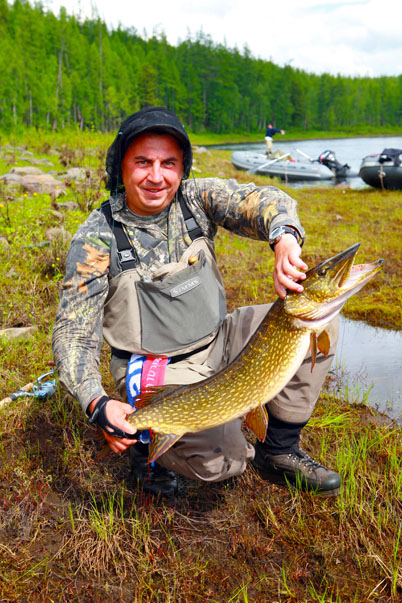
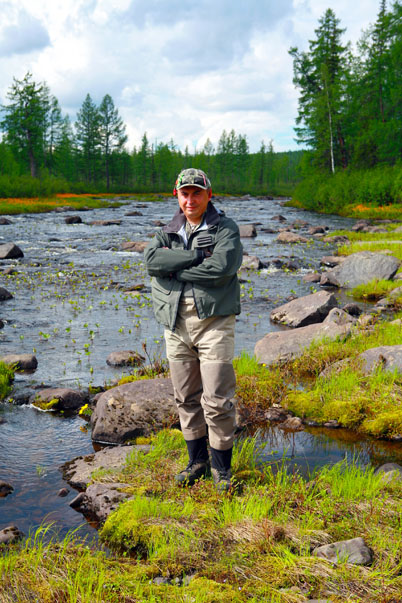
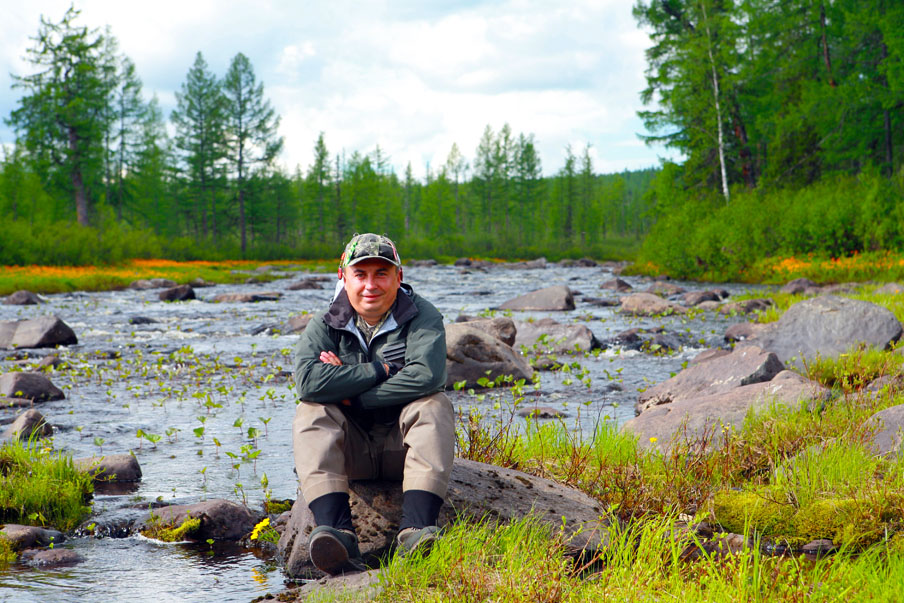
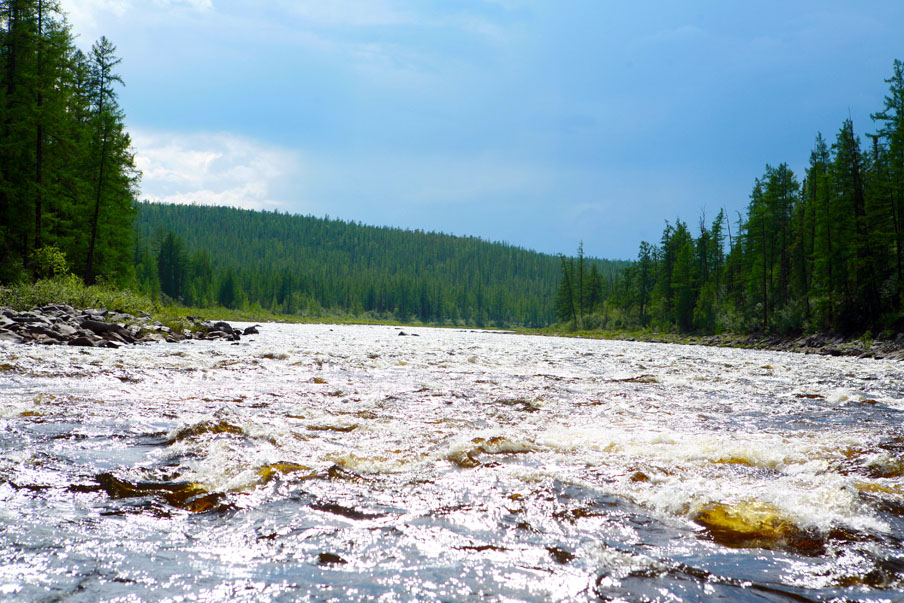
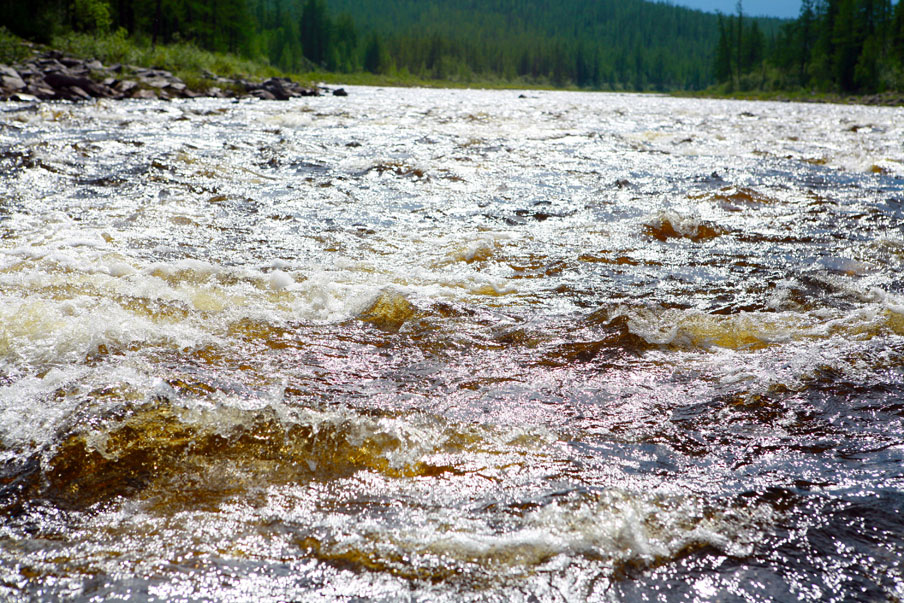
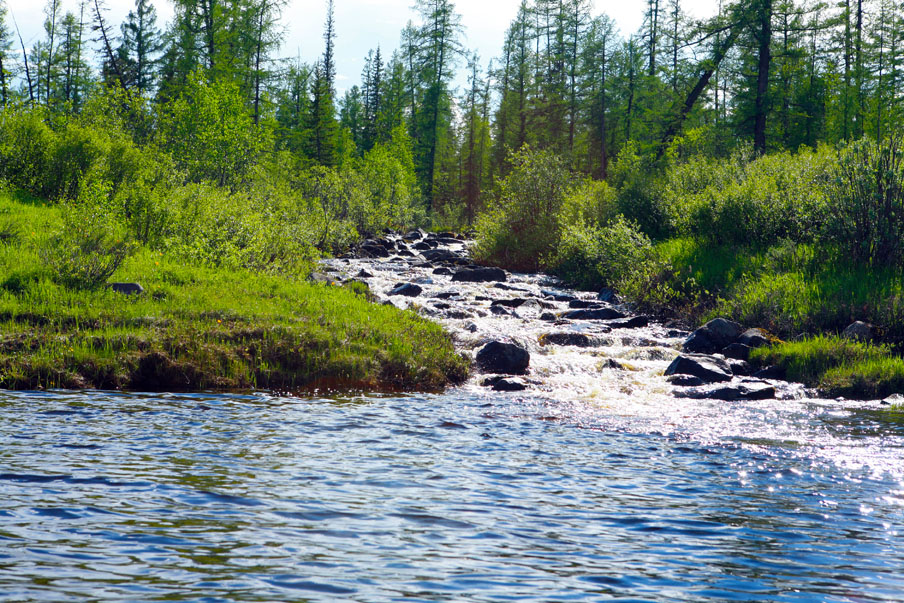
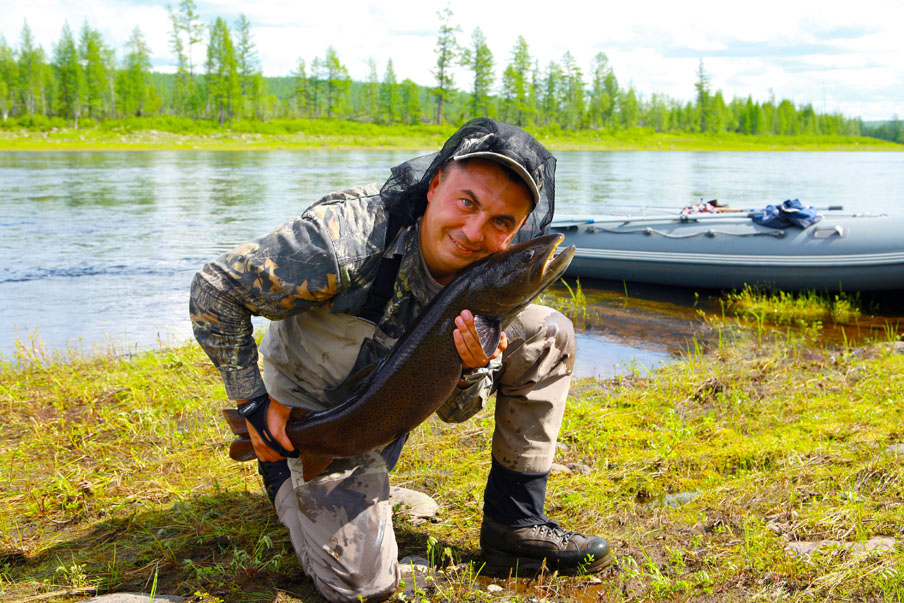
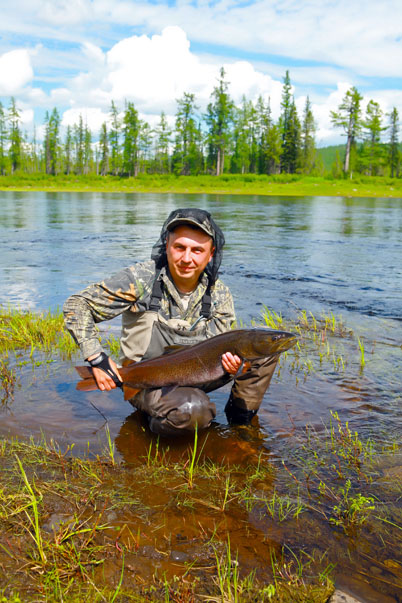
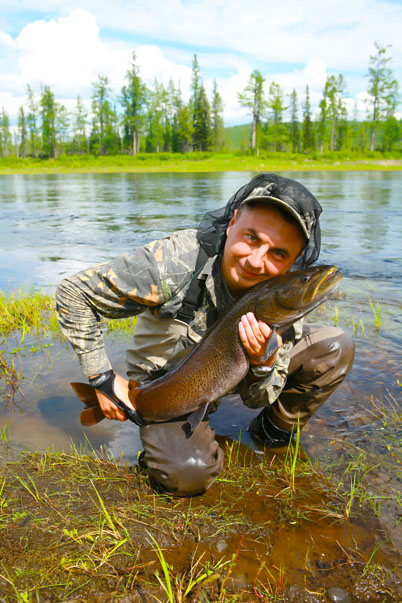
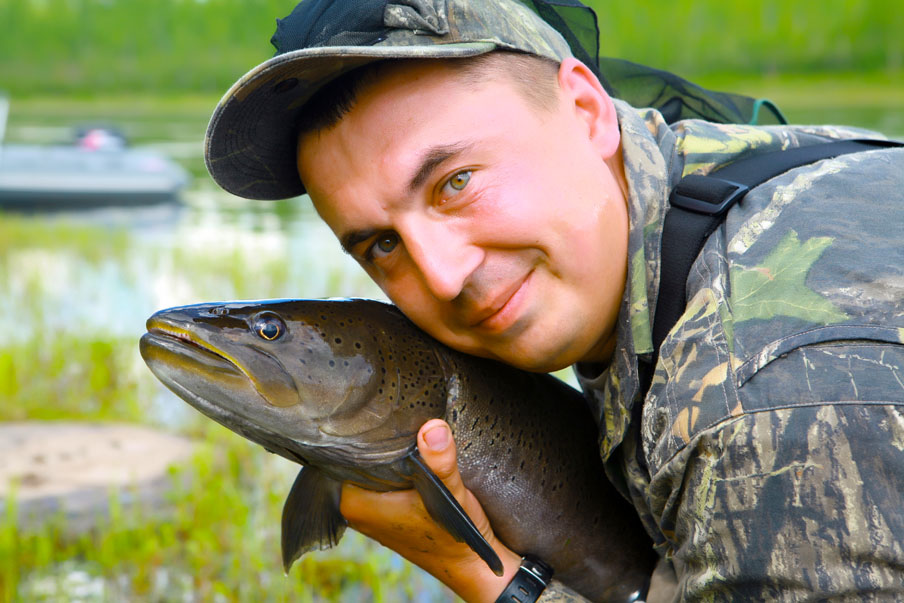
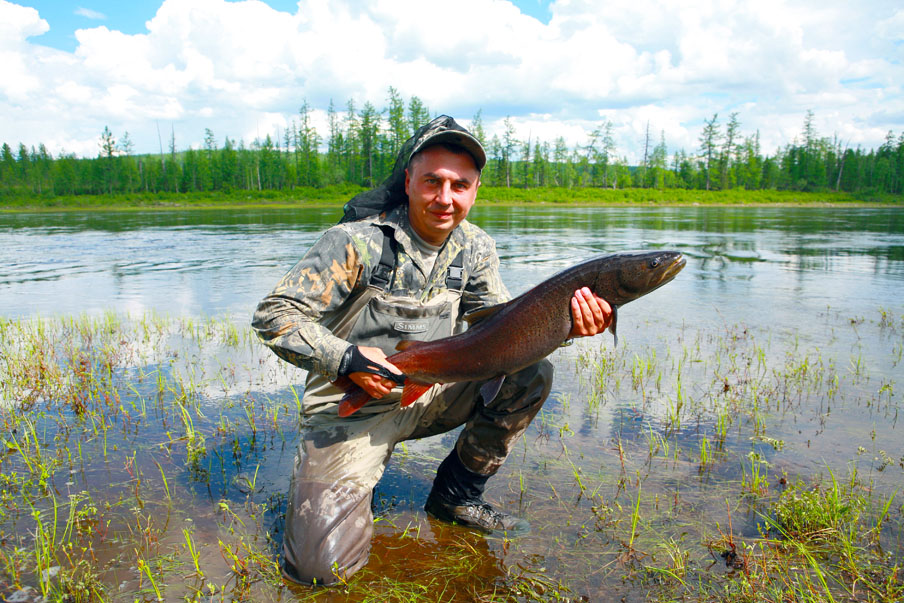
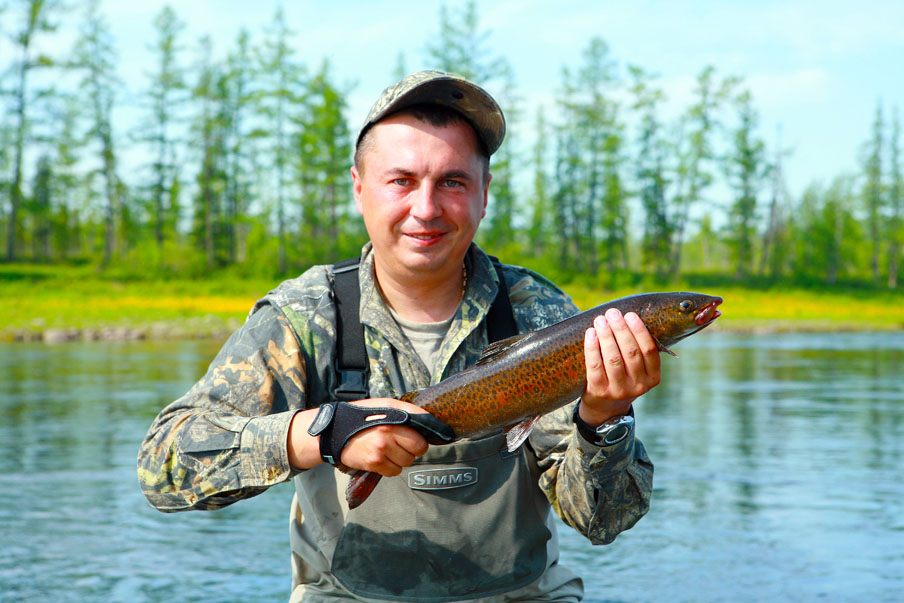
The purpose of Yuriy Kostyantynovych’s expedition to Siberia was fly fishing on the Bakhta River. This river flows through Krasnoyarsk Krai, Russia, and is a right tributary of the Yenisei River. The village of Bakhta (known as Bakhtinsky in the 19th century) is located at its mouth. The river is 498 kilometers long, with a basin area of 35.5 thousand square kilometers. It flows through the Central Siberian Plateau, joining the Yenisei downstream from where the Podkamennaya Tunguska River merges with it. The river runs through a narrow valley in the taiga, has a fast current, and a rapids-filled mouth. The river freezes in mid-October and thaws in mid-May. The tributaries of the river, especially their upper reaches, are very beautiful and are of the greatest interest to anglers. There is no settlement along the river, except at its mouth where it flows into the Yenisei – the village of Bakhta, which gave the river its name. The middle and lower reaches of the river are used by hunters and fur trappers. Access to the upper and middle reaches of the Bakhta River (especially its tributaries) is only possible by helicopter. The main fishing targets in the river are taimen, lenok, grayling, whitefish, pike, and perch. Naturally, Yuriy was most interested in catching taimen – a member of the salmon family. The largest specimens can reach a body length of 1.5-2 meters and weigh 60-80 kilograms. The fish’s body is quite slender but somewhat stocky, covered with small silvery scales, similar to most salmon. On the head and sides, if viewed from above, numerous black spots can be seen, which may take the shape of an “X” or be simply round. The head bears some resemblance to that of a pike, being flattened from top to bottom. The taimen has a rather wide mouth that extends across the entire width of the head and opens almost to the gill slits. Sharp, inward-curving teeth are located on both the upper and lower jaws, growing in several rows. The taimen also has strong and wide fins, providing high maneuverability and speed in the water.
As Yuriy has repeatedly noted, the taimen is a true fighter, and the process of landing it is tumultuous and emotional, keeping the angler in a state akin to a compressed spring. Fly fishing for taimen is a true art, and convincing a trophy specimen to bite is a feat that only a true master of the craft can achieve.