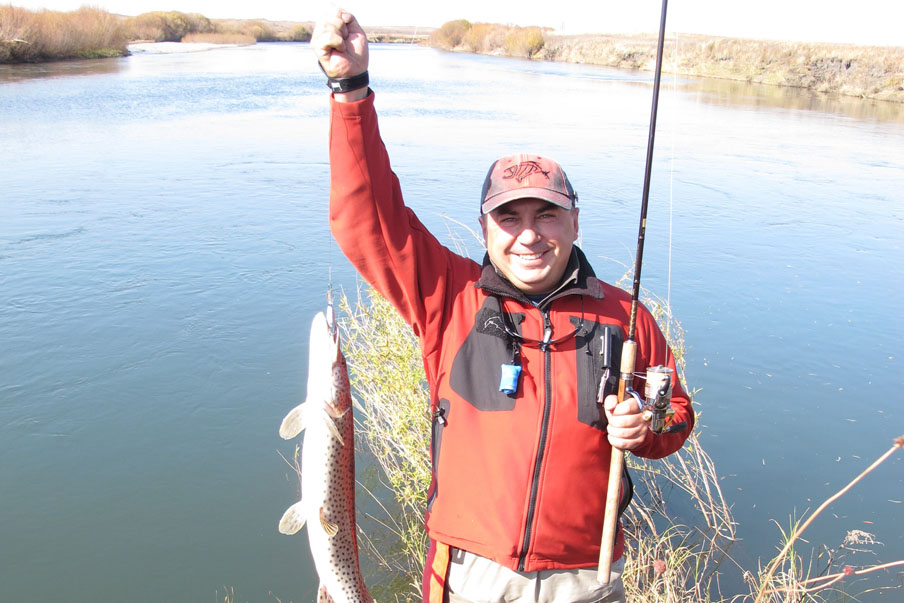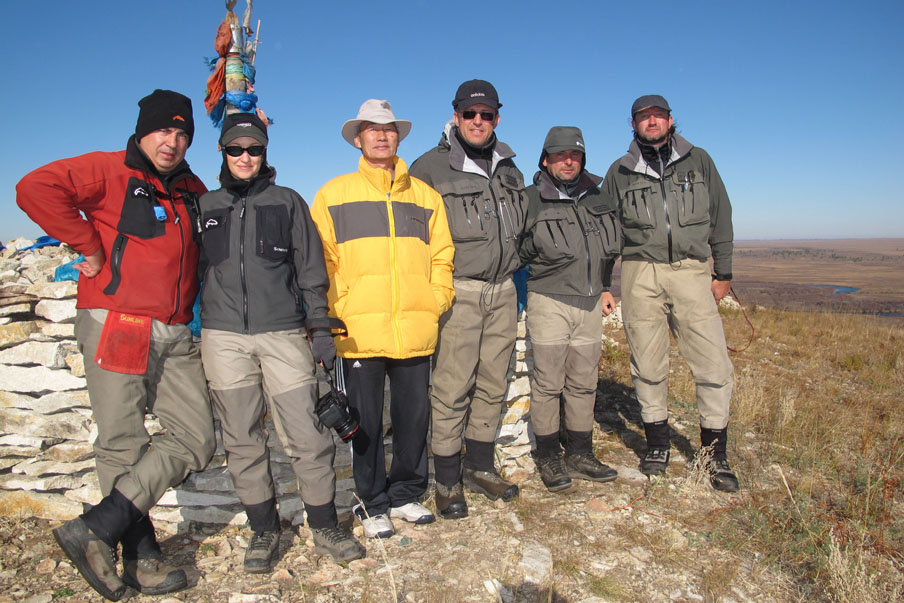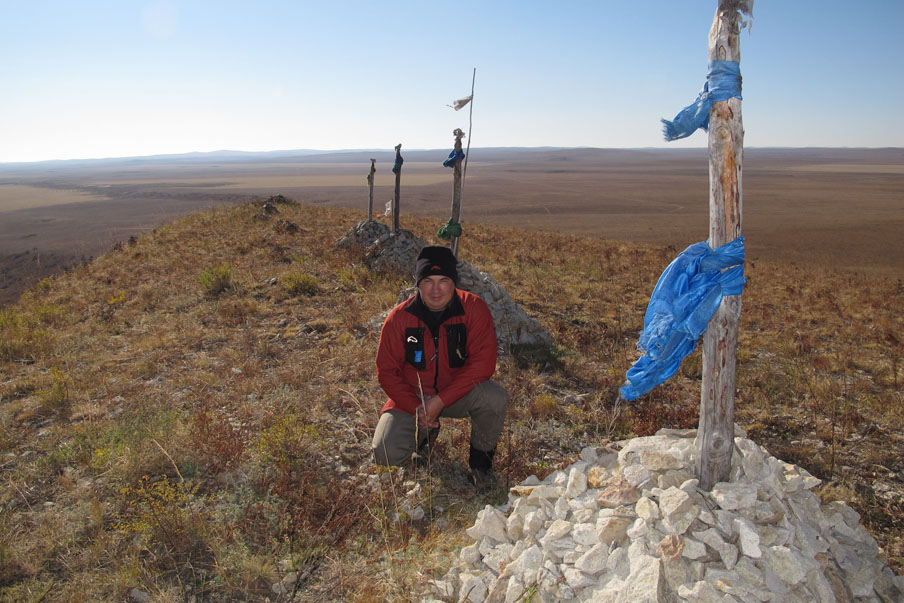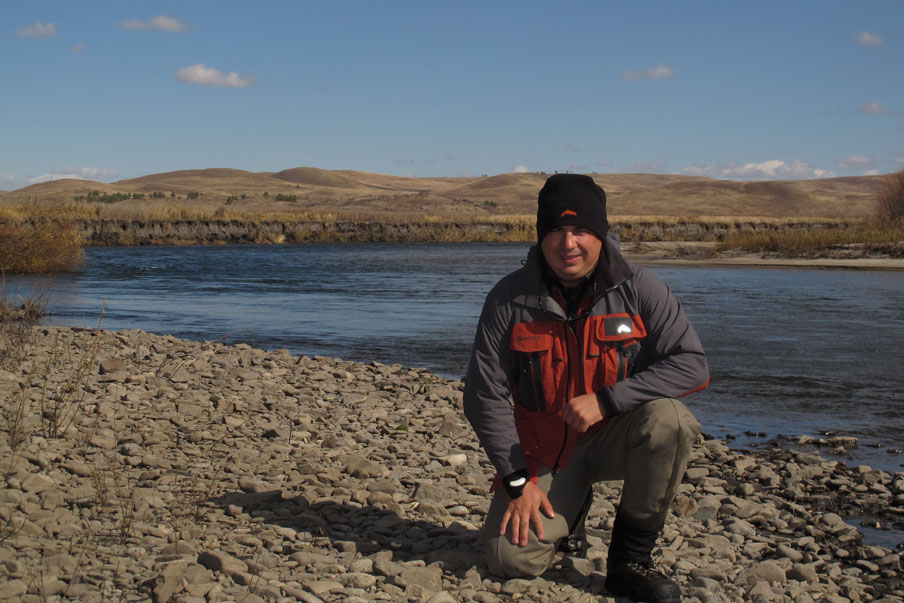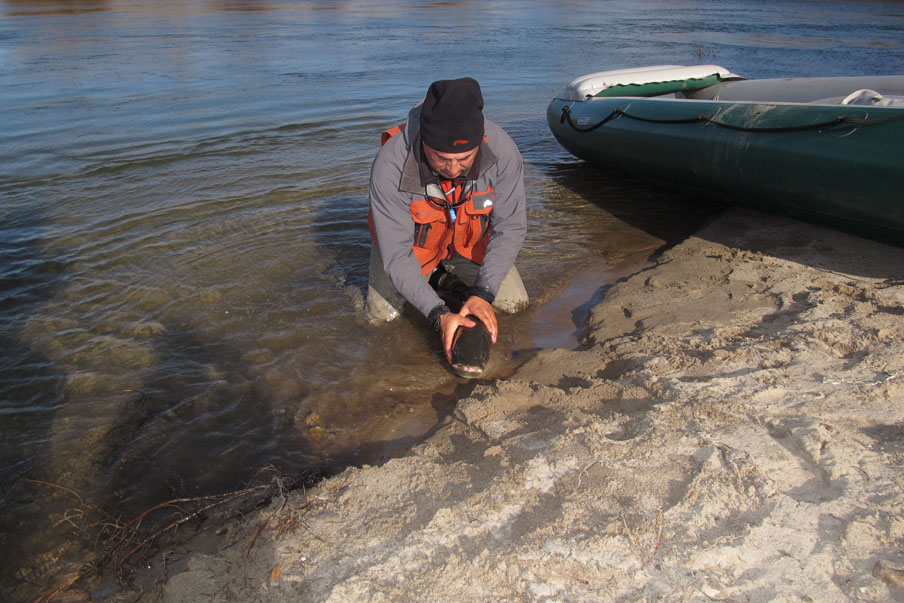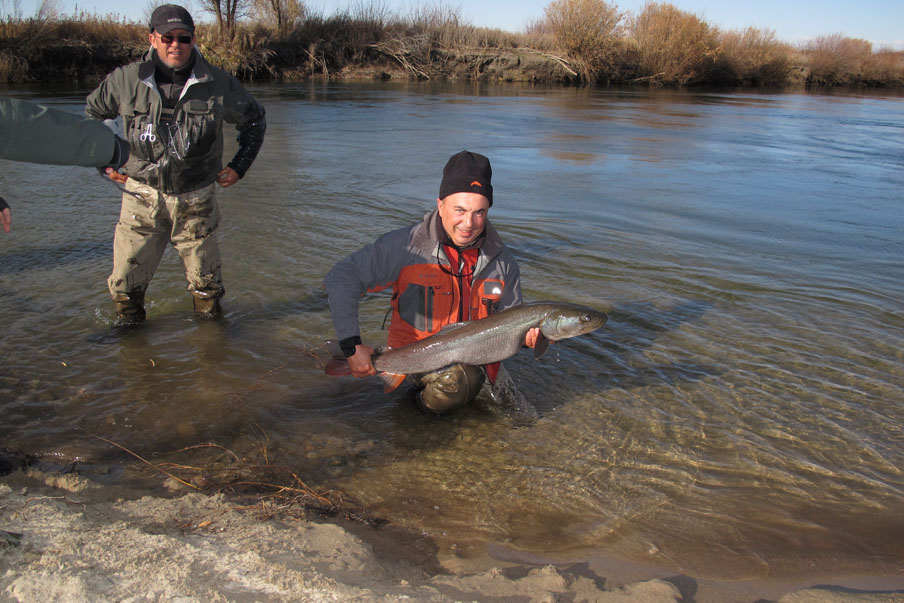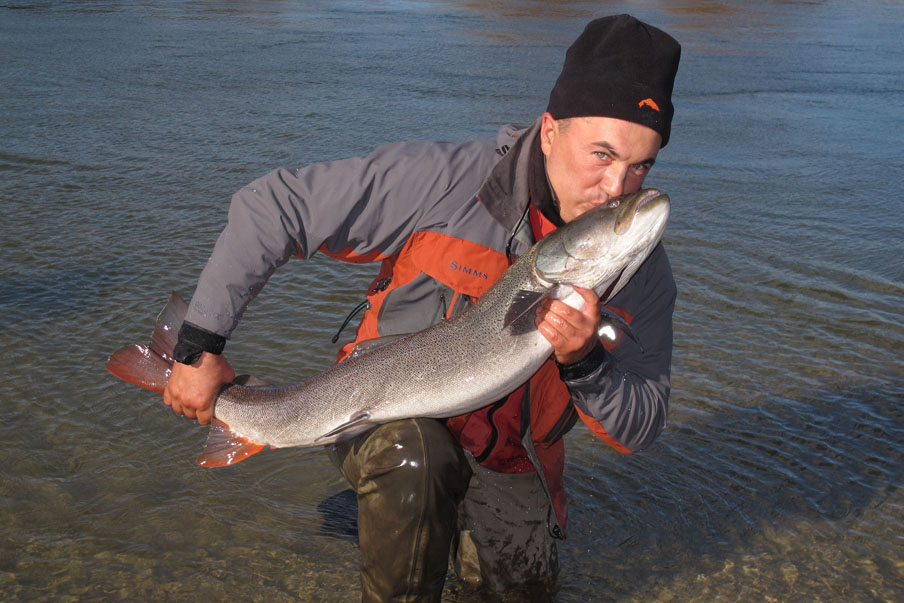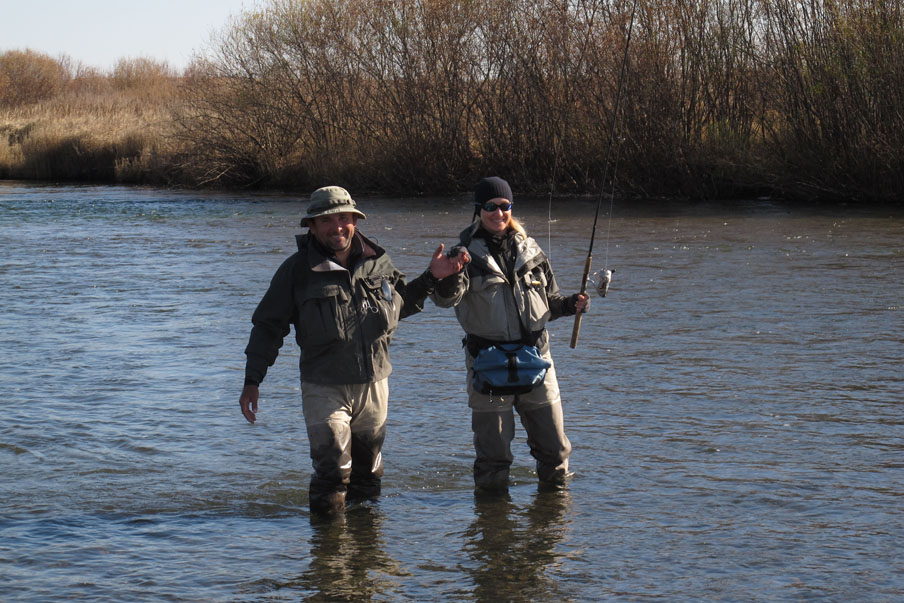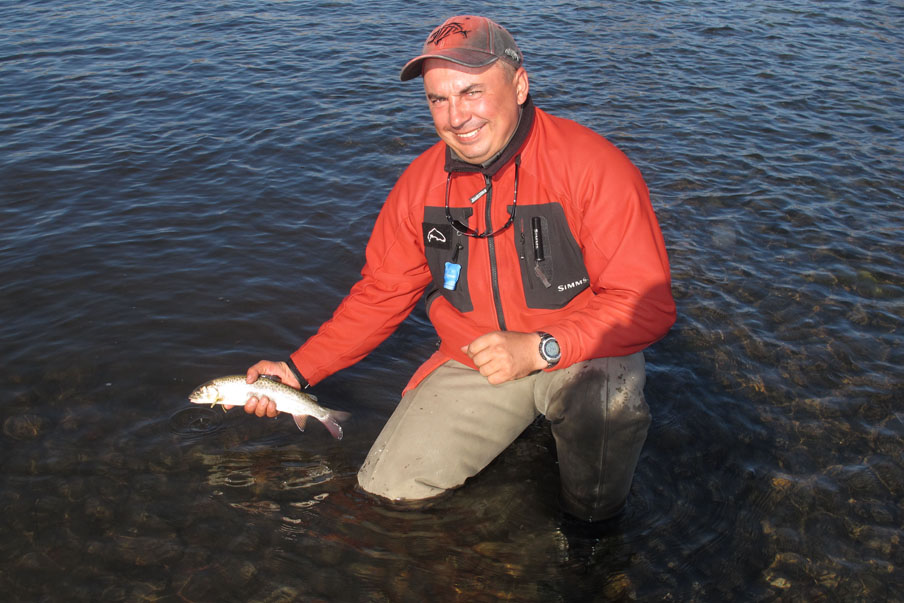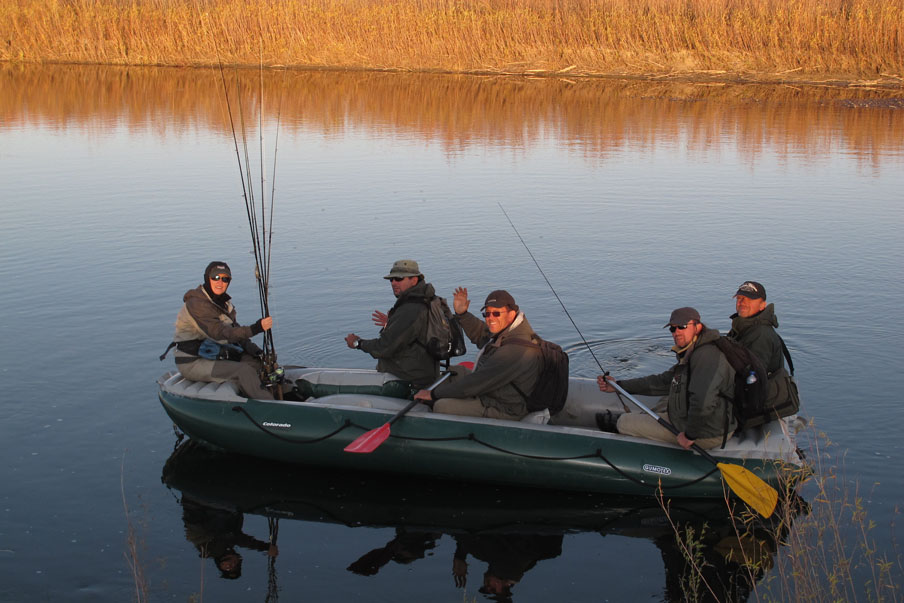

Catching a large taimen, whether by fly fishing or spinning, is the dream of any angler. Yuriy Dyachenko decided to make his dream a reality, and the place he chose was the Khalkhin Gol River in Mongolia. Mongolia is a country in East Asia that borders Russia to the north and China to the south. Mongolia is one of the few countries in the world without access to the sea. There are few places on Earth as wild, untouched, and rich with large and small rivers and lakes as this country with its beautiful natural landscapes. Here, you can find vast, uninhabited areas where encounters with other people are a rarity. The animal and plant life is incredibly rich and diverse, and the waters teem with fish. Believe me, this is where anglers can expect extraordinary success! Fishermen from all over the world come to Mongolia to fish.
Northern Mongolia is characterized by the greatest contrasts in annual and daily temperatures on Earth, with a small amount of precipitation and a pronounced summer peak. The average temperature in the northern regions is around 18-19°C, but highs can reach nearly 40°C.
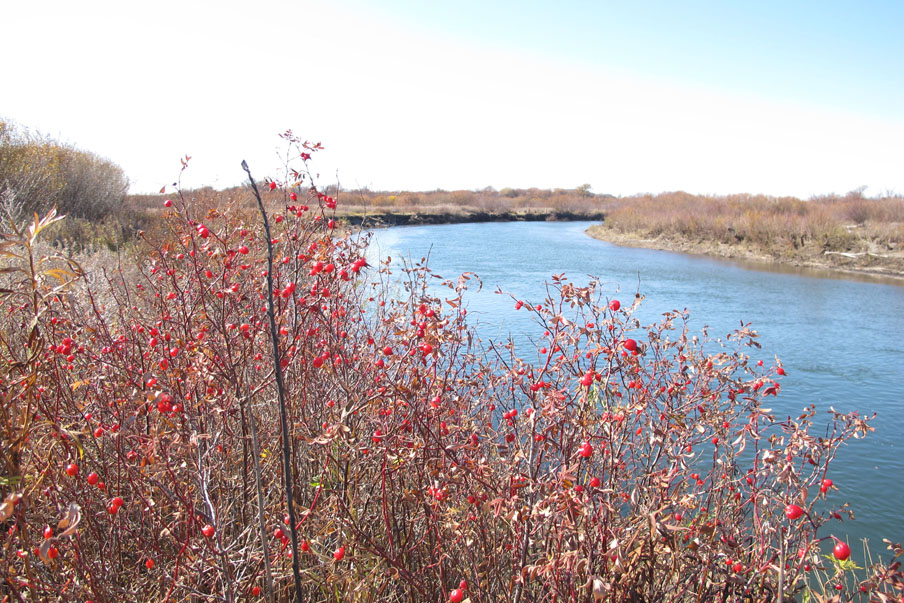
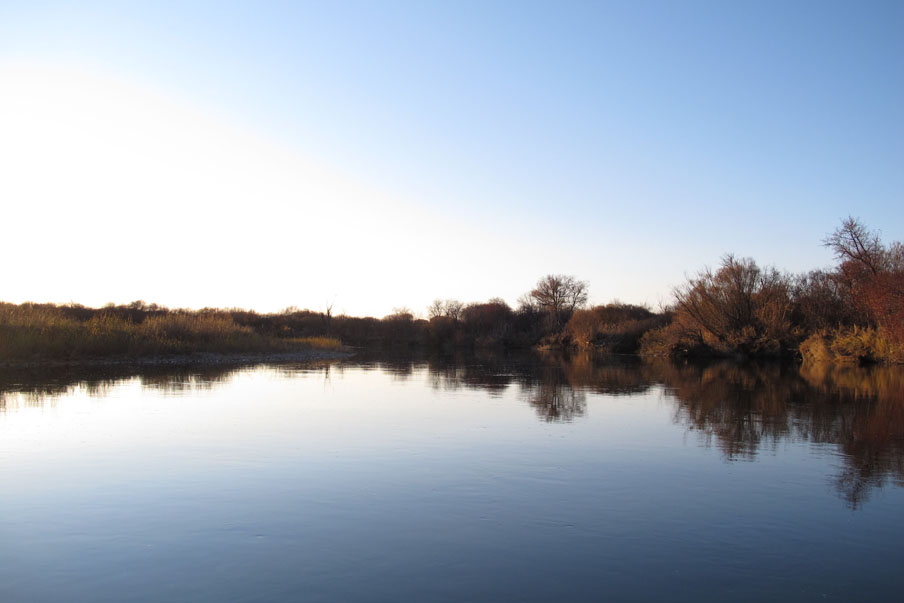
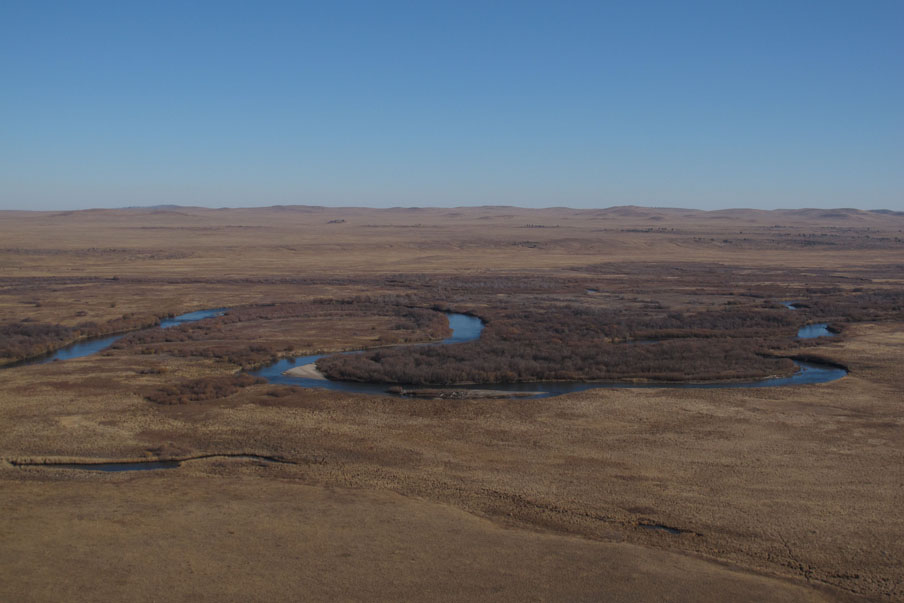
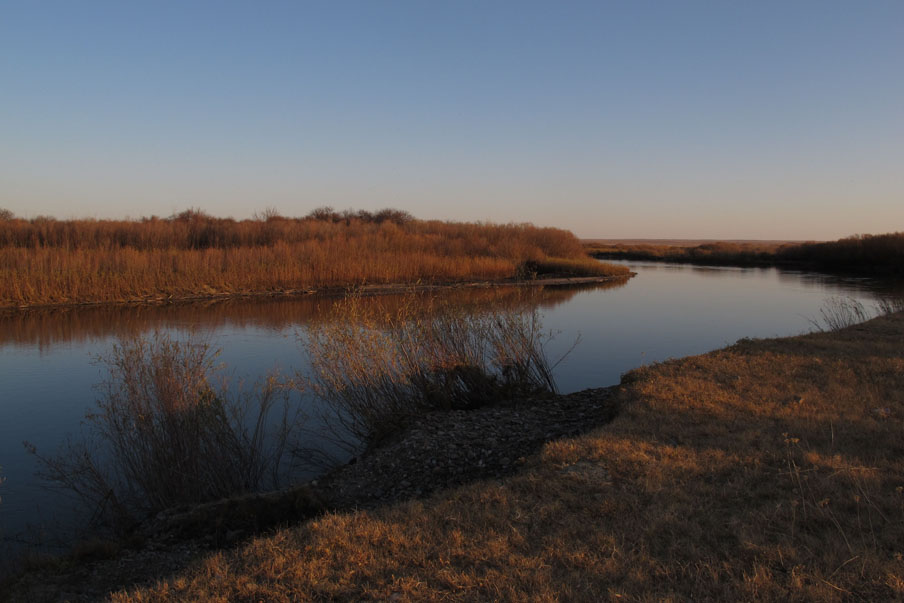
The Khalkhin Gol is a river in Mongolia and China. The river is about 233 km long, with a basin area of about 17,000 km². From October-November to mid-late April, the river freezes over. The Khalkhin Gol originates on the western slopes of the Greater Khingan Range, forming a narrow valley before flowing onto the plain. The river’s mouth is meandering and branched. The banks are steep, ranging from 1-3 meters high, and near the mouth, they are low, marshy, and overgrown with reeds and shrubs.
The river’s mouth splits into two branches: the left one flows into Lake Buir-Nuur, and the right one into the Orkhon-Gol River, which connects lakes Buir-Nuur and Dalainor. In these areas, fierce battles with Japanese militarists once took place. Trenches, used shell casings, helmets, and fragments of bombs and shells still remain. The river is rich in lenok, pike, and taimen. Pike can be caught near the village of Sumber, the center of the Somon district. A Mongolian border service officer showed Yuriy photos of a taimen weighing about 30 kg, confirming Yuriy’s thoughts about trophy fishing. It’s important to note that 15 km from the border is a border zone, so it is not recommended to approach such areas.
The taimen, the king of all salmonids, can sometimes weigh over 60 kilograms. Lenok, Baikal omul, grayling, and Siberian whitefish are also common here. Although the Selenge River is a challenging fishing spot, it is incredibly fascinating!
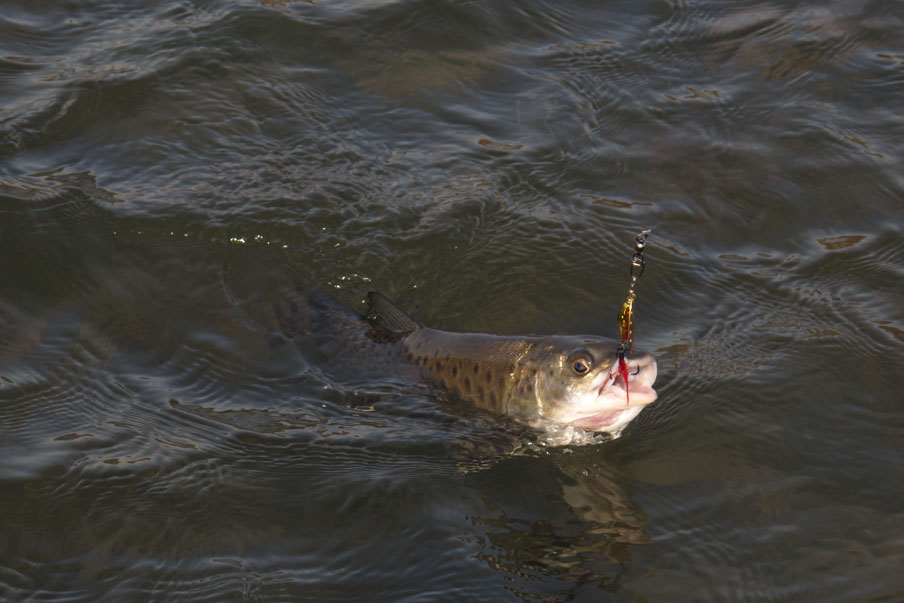
So, the taimen… The largest specimens can reach a body length of 1.5-2 meters and a weight of 60-80 kg. The fish’s body is quite slender but somewhat cylindrical, covered with small silver scales, like most salmonids. In the head area and on the sides, when viewed from above, numerous black spots can be seen, which may take the shape of the letter “X” or be purely round. The head somewhat resembles that of a pike, as it is flattened from top to bottom. The taimen has a rather wide mouth that spans the entire width of the head and opens almost to the gill slits. The upper and lower jaws are lined with fairly sharp, inward-curved teeth, arranged in several rows. The taimen has strong and broad fins, providing high maneuverability and speed. As Yuriy often noted, the taimen is a true fighter, and the process of reeling it in is tumultuous and emotional, keeping the angler in a state similar to that of a coiled spring. Fly fishing for taimen is a true art form, and only a true master can entice a trophy specimen to bite!