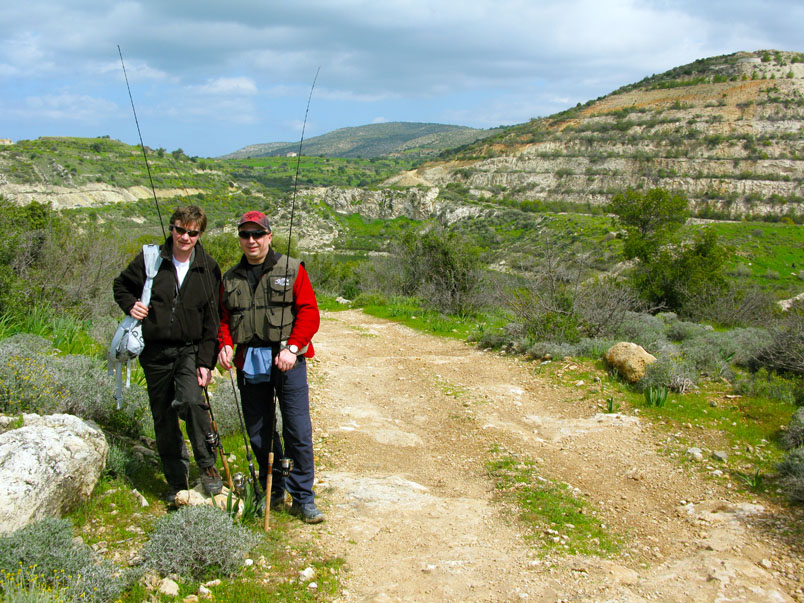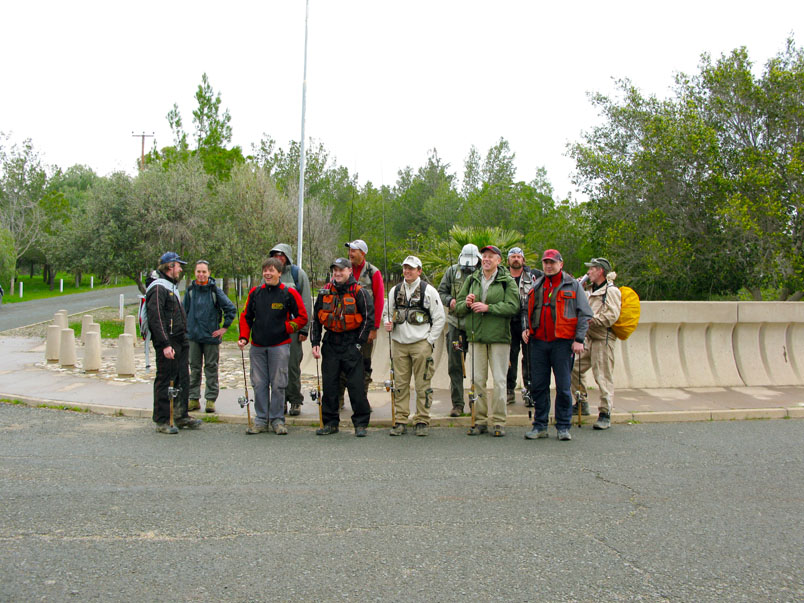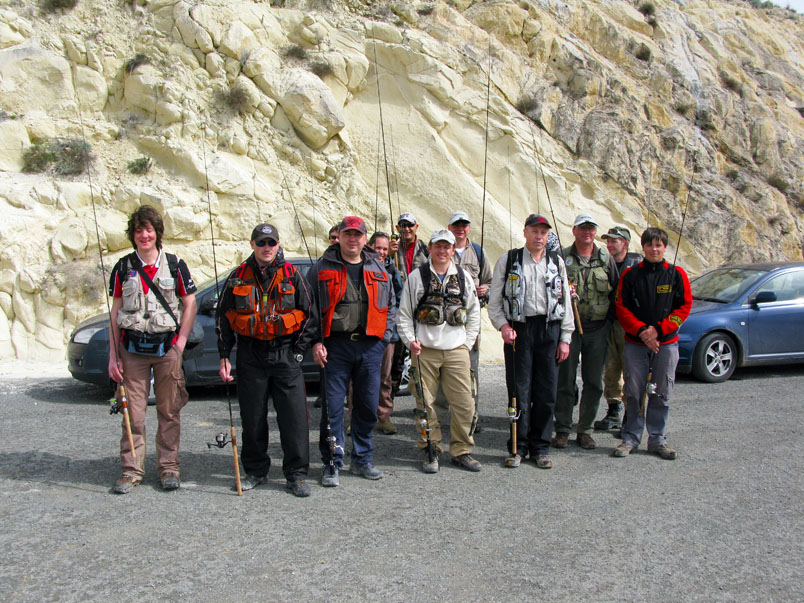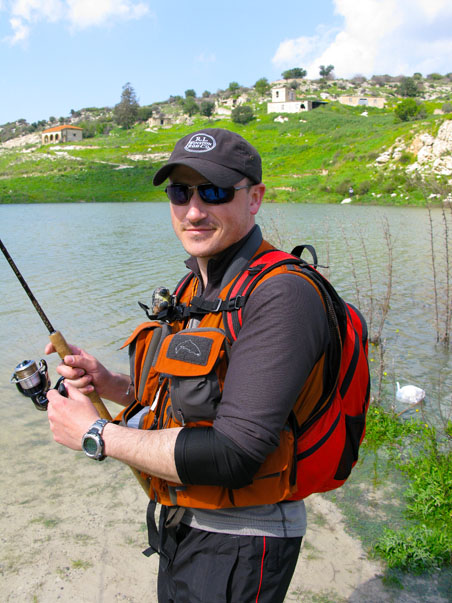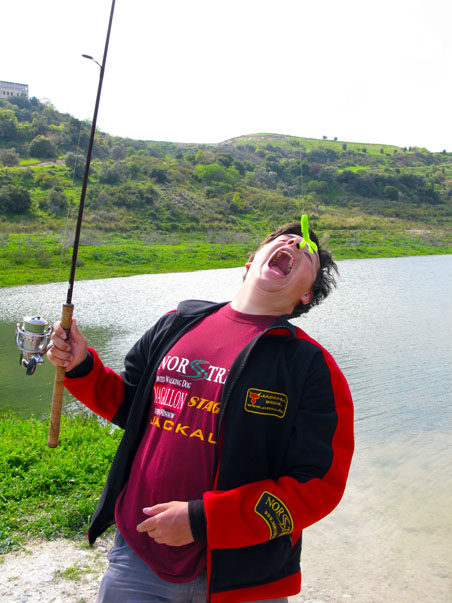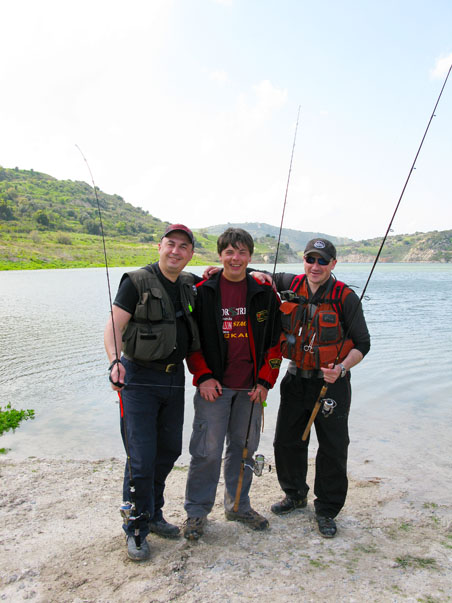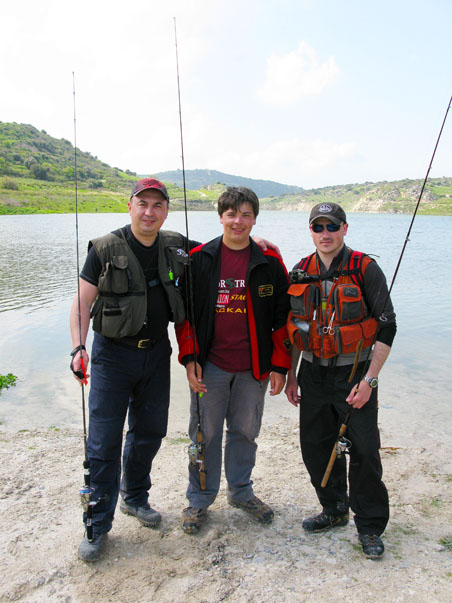

Of course, every angler dreams of an expedition with the goal of catching bass. Yuriy Kostyantynovych is accustomed to making his dreams come true, so a trip to Cyprus—a place that bass anglers consider iconic—was only a matter of time.
Bass fishing in Cyprus is for the most passionate anglers, those who value intense emotions and adrenaline. Bass fishing and adrenaline are inseparable, as this fish behaves like a true fighter, fiercely battling for its freedom and astonishing everyone with its tenacity. Even near the shore, bass continues to fight and tries to find a hiding place.
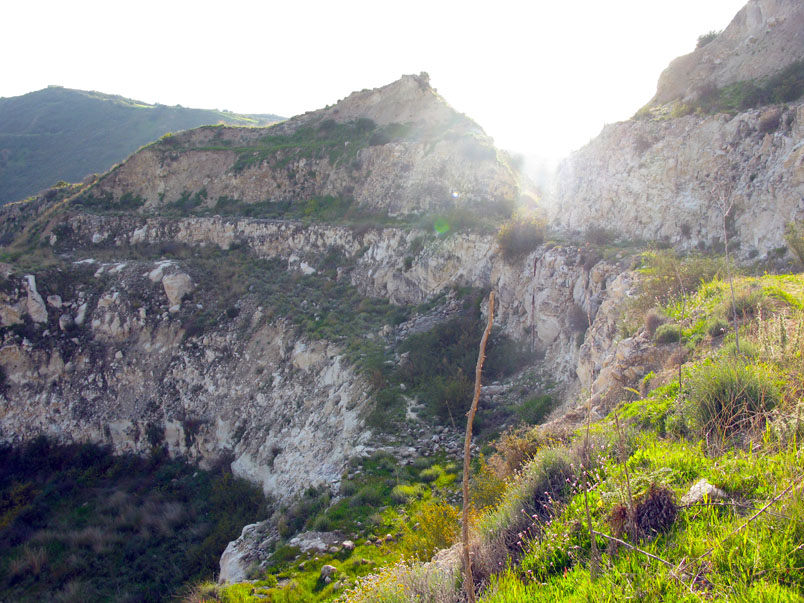
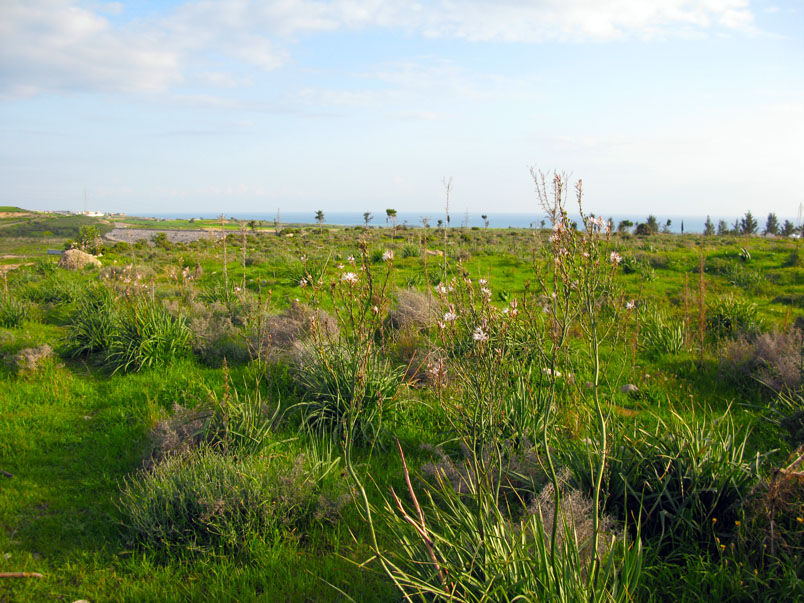
Cyprus is the third-largest island in the Mediterranean by area and population. Geographically, it belongs to Asia and is located 380 km from Egypt, 105 km from Syria, and 75 km from Turkey. The island is very popular among tourists, with much of it covered by mountains. Along the northern coast, a mountain range stretches from west to east, with a width of 15 km in the west, expanding to 25-30 km in the east. The wildlife of Cyprus is not very diverse, but among the rare animals on the island, the Cypriot mountain sheep, or mouflon, is particularly interesting, often found in the Troodos mountains and the Paphos forest area. The forested mountain areas are home to foxes and hares. The lowlands along the coast and mountain slopes are home to various species of lizards, turtles, and snakes. Cyprus also has many amphibians, especially tree frogs.
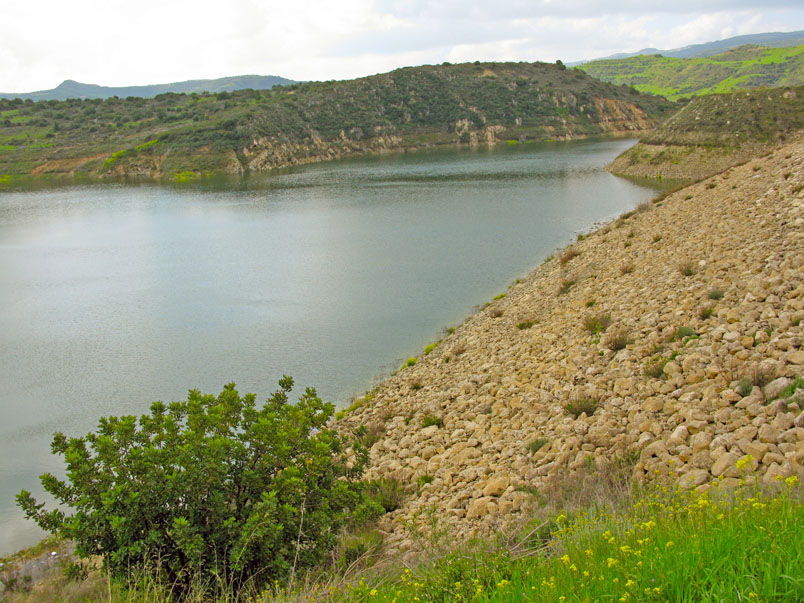
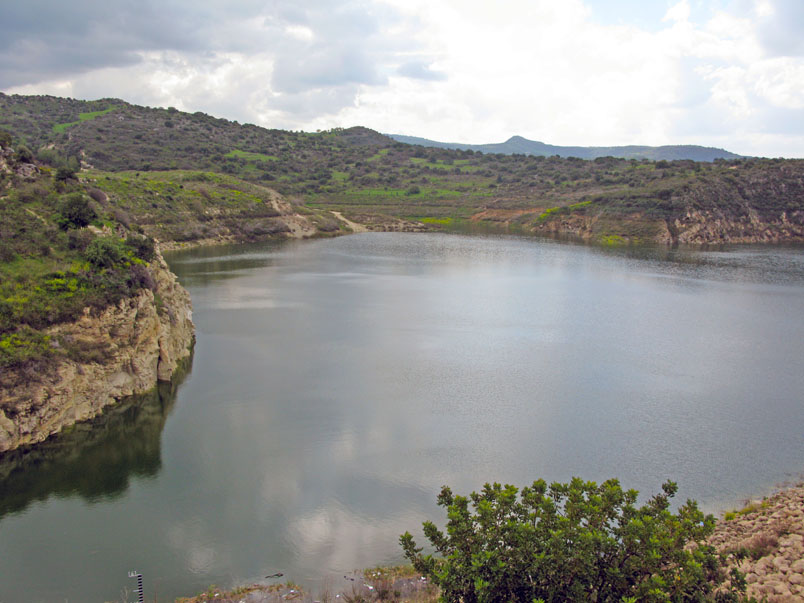
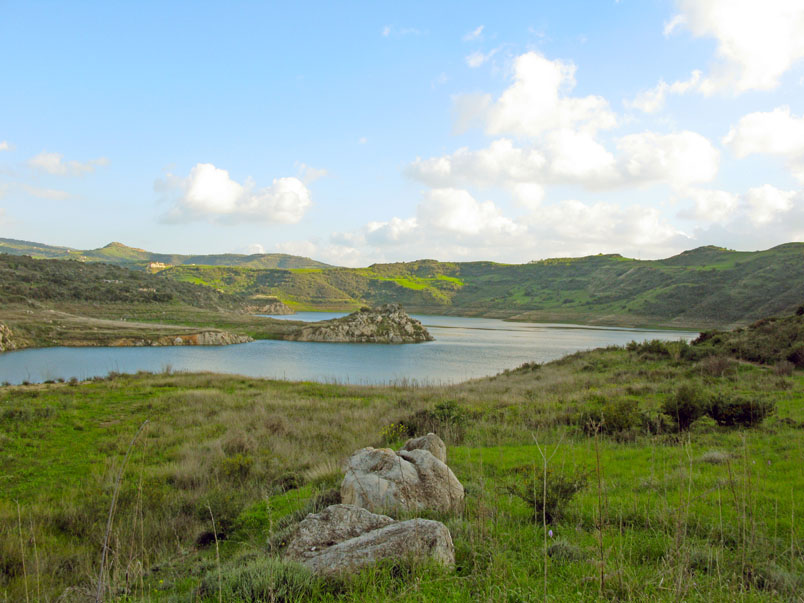
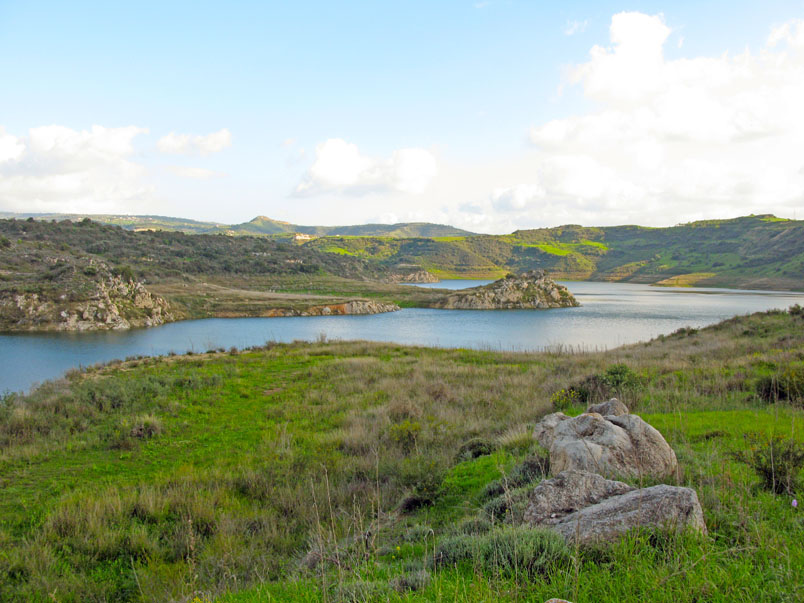
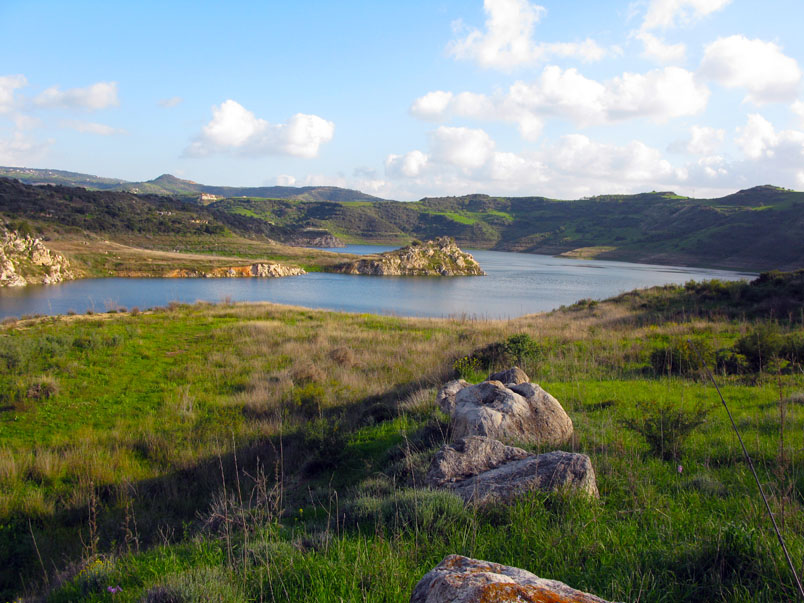
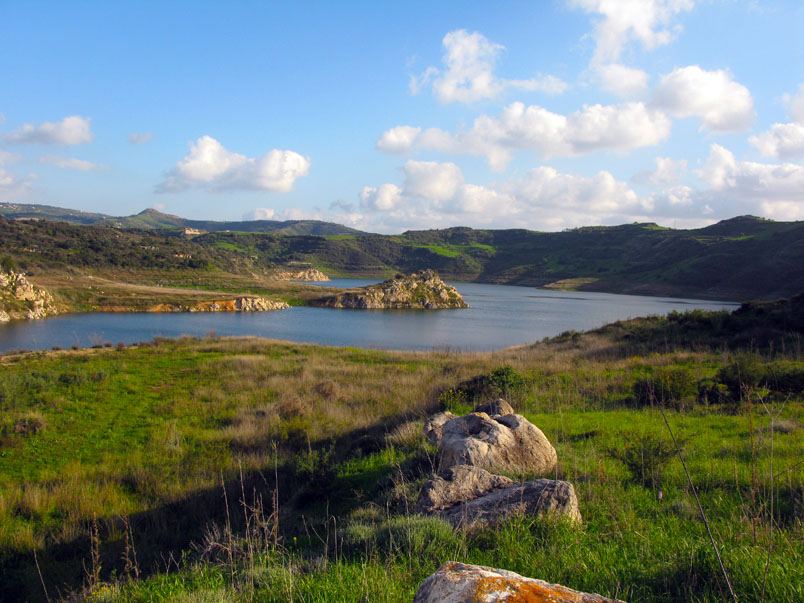
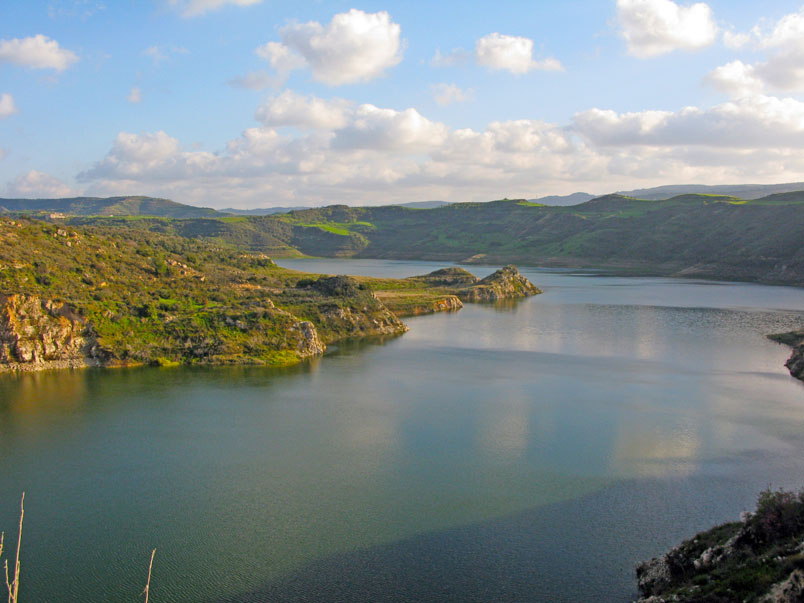
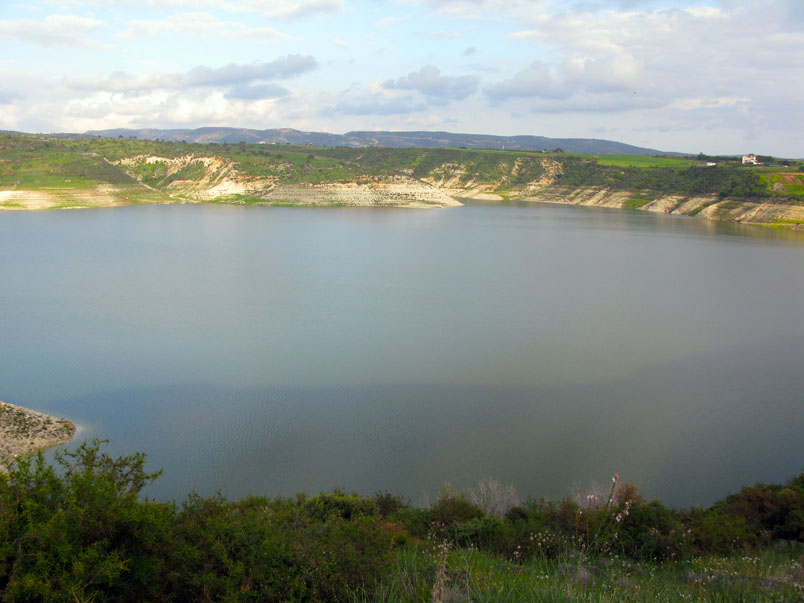
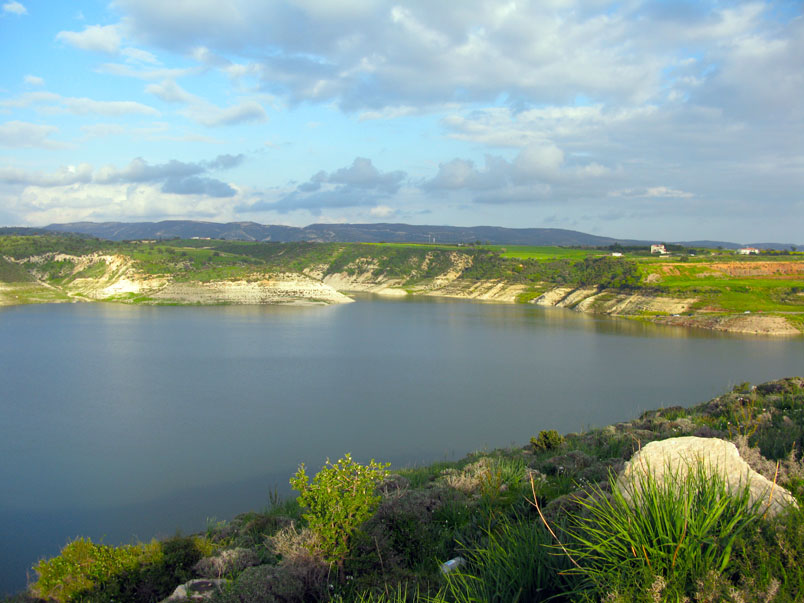
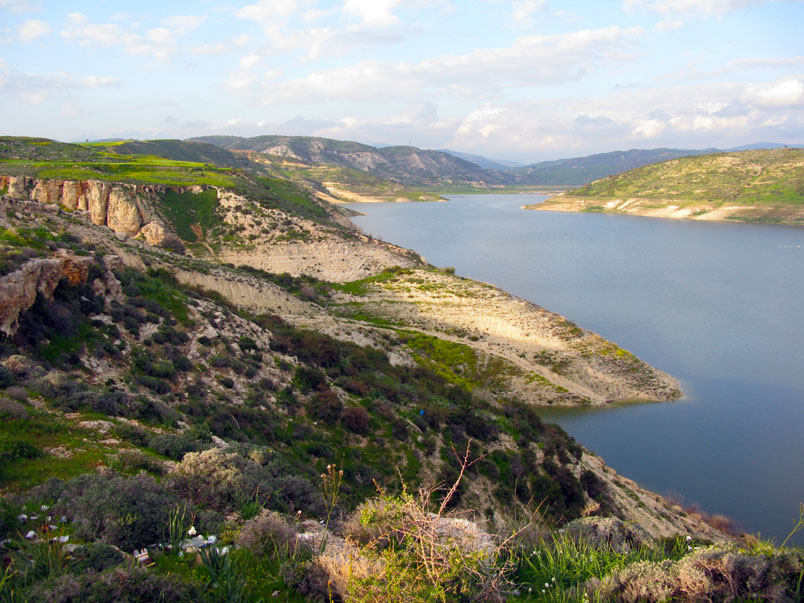
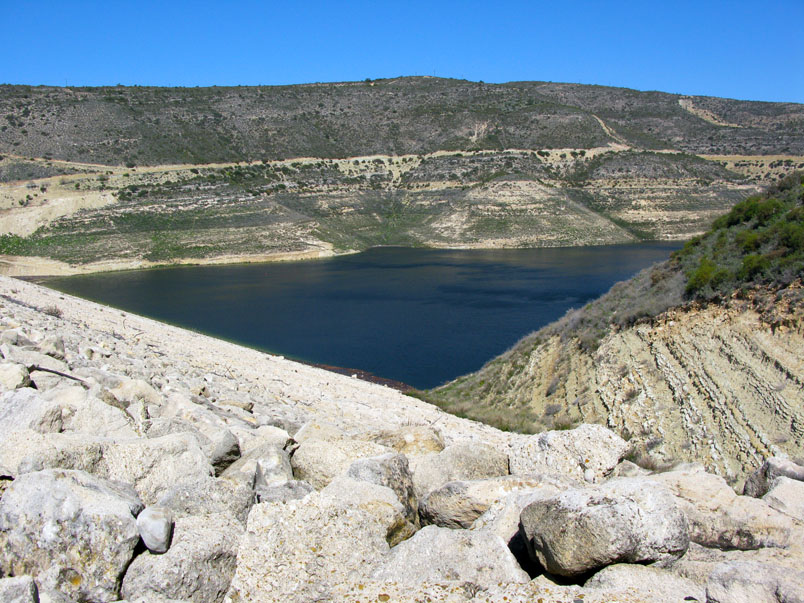
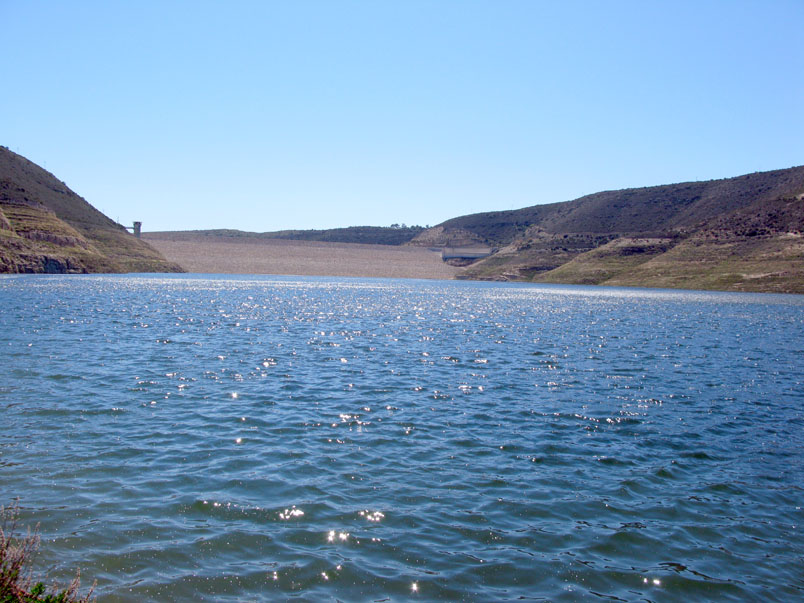
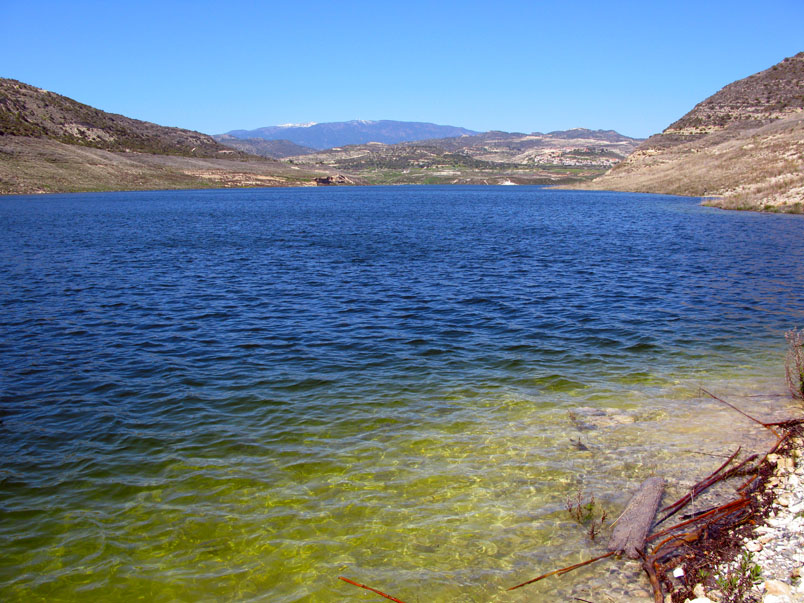
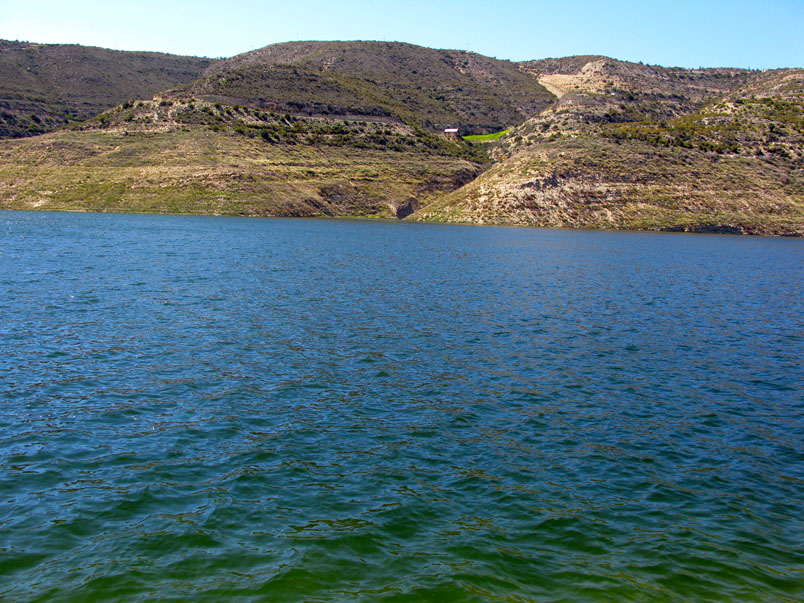
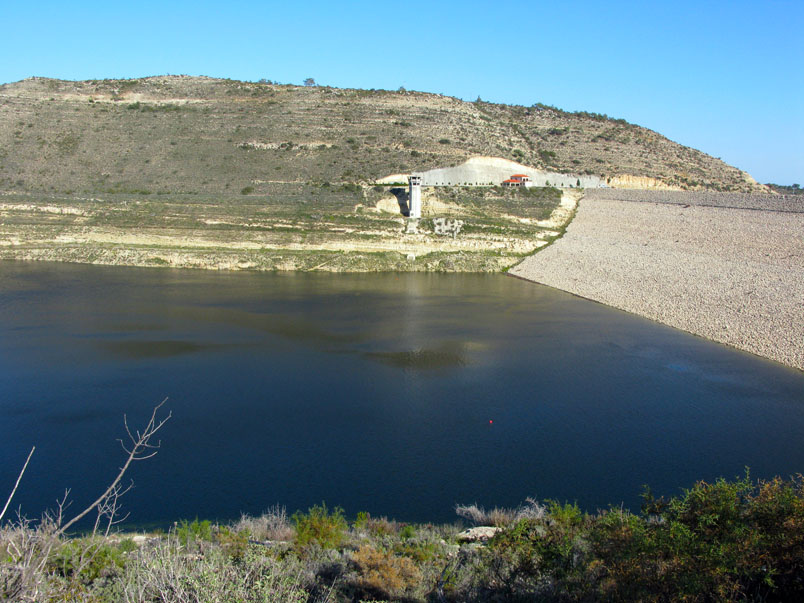
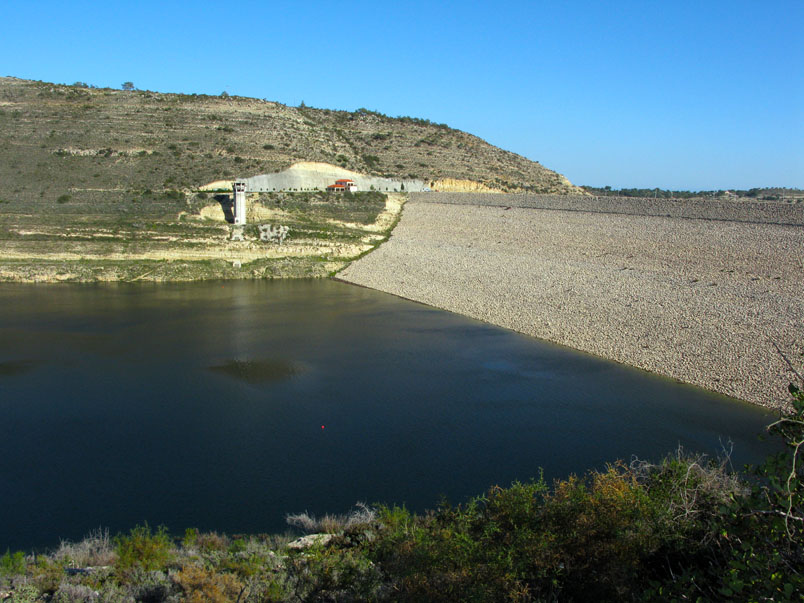
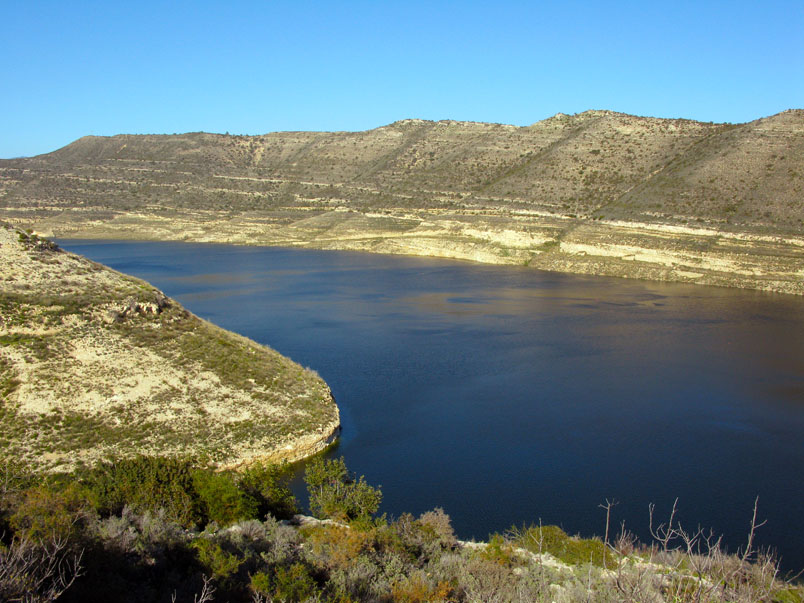
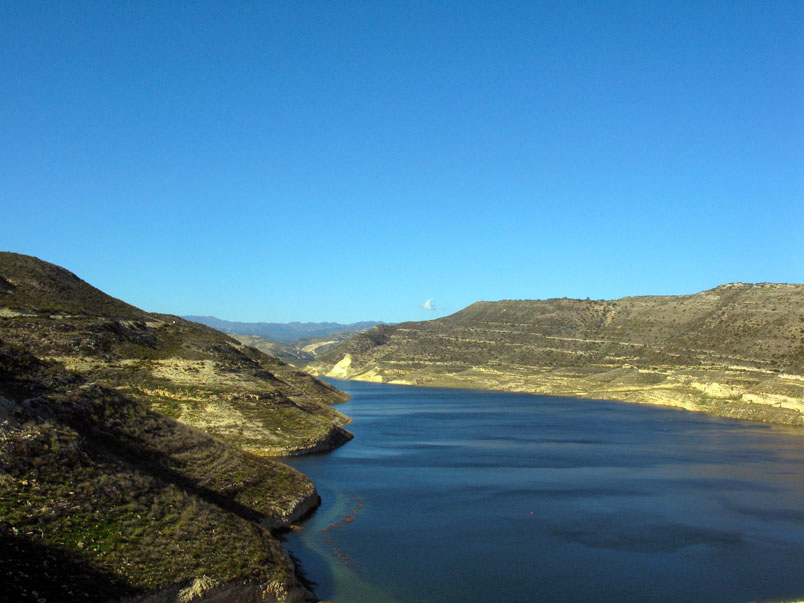
As for fish species, in Cyprus, you can find well-known species such as perch, pike-perch, catfish, bream, pike, roach, carp, trout, and, of course, bass. No matter where tourists stay on the island, there are always bodies of water nearby, with a total number exceeding 25. While in Cyprus, Yuriy Kostyantynovych visited Lake Germasogeia, the reservoir closest to Limassol, just a 10-minute drive from the city’s tourist zone. This place is one of the most popular fishing spots, where you can catch carp, roach, bass, bream, eel, and mullet.
So, what exactly is bass? The word “bass” translates from English as “perch,” though there is also another word, “perch,” which has the same literal translation. What’s the difference? Let’s try to find out.
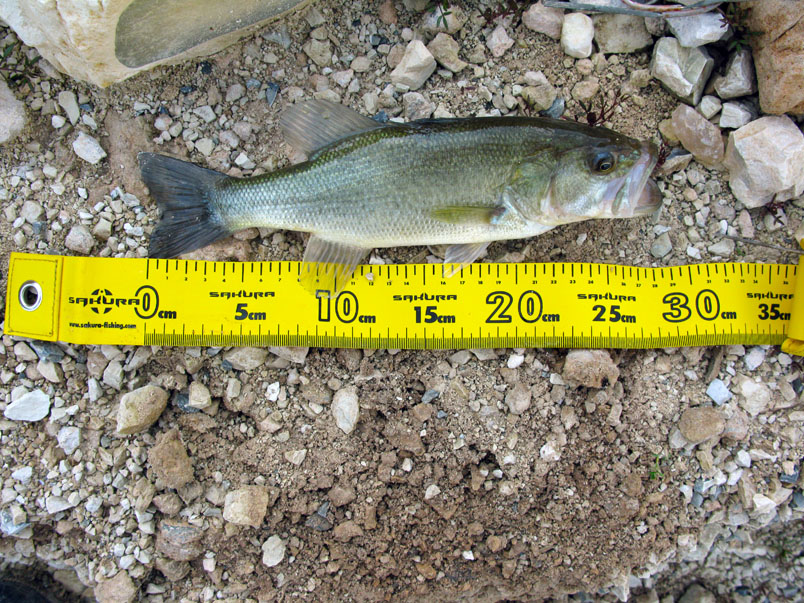
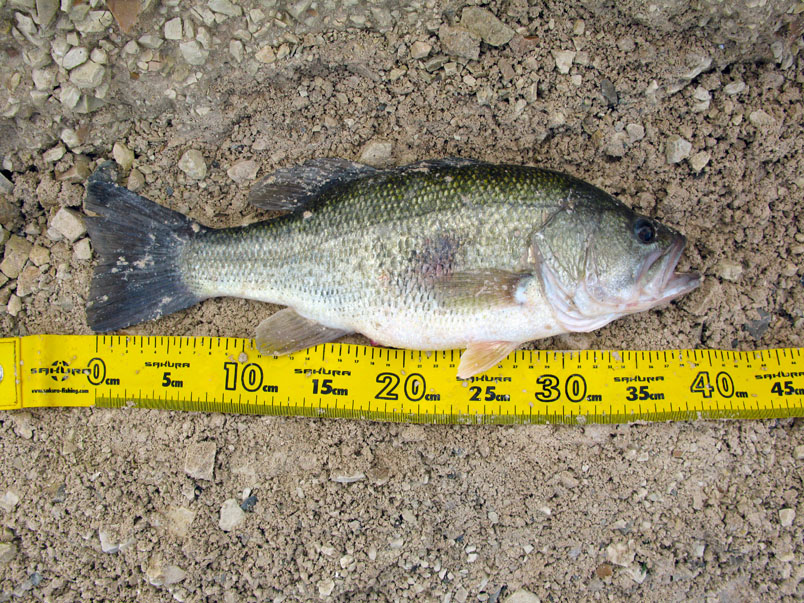
The word “perch” is very old, dating back to the 14th century, and it refers to a spiny freshwater fish. The word “bass” (first recorded in the 15th century) literally translates to “fish,” meaning perch, leading to the conclusion that the latter name is more common and widespread as it includes various species and subspecies. Both terms are colloquial rather than scientific. Externally, the bass has an olive-green color, with a darker back and lighter sides marked by spots forming a jagged stripe. The belly is white with a reddish-silver sheen, and dark stripes can be seen on the head. The contrast of the coloration depends on the environment and the age of the bass. The main distinguishing feature of this species is its large head and mouth. The lifespan of the largemouth bass is up to 20 years, with a maximum body length of up to 1 meter and a weight exceeding 10 kilograms. The bass is a predator.
According to Yuriy Kostyantynovych’s recollections, bass constantly responded to the weather. It bit the worst on rainy days and was inactive during scorching sun. Rare, sporadic bites in the middle of the day don’t really count, likely just due to the lure catching the fish’s eye, and it couldn’t resist biting. But the emotions that overwhelm you while reeling in this “fighter” are incomparable to anything else!