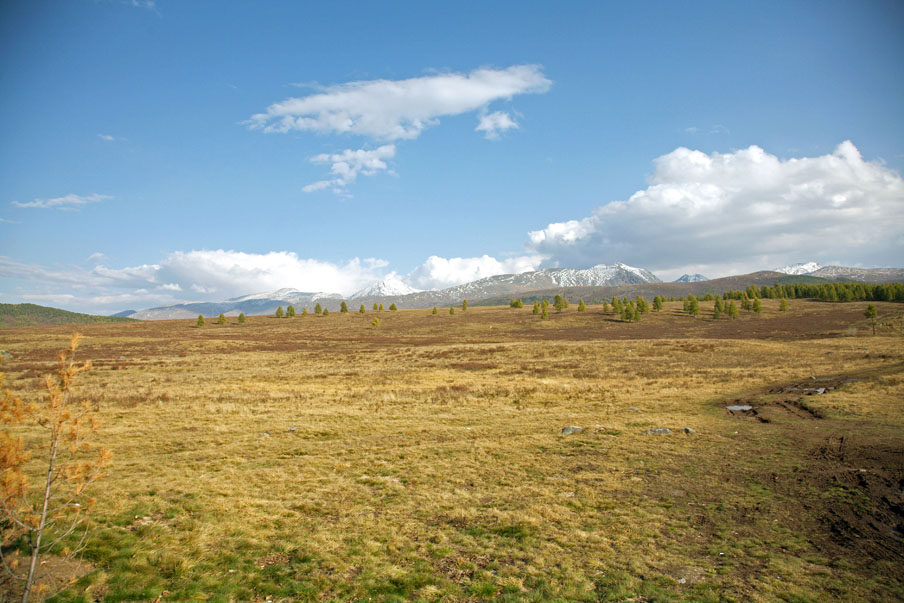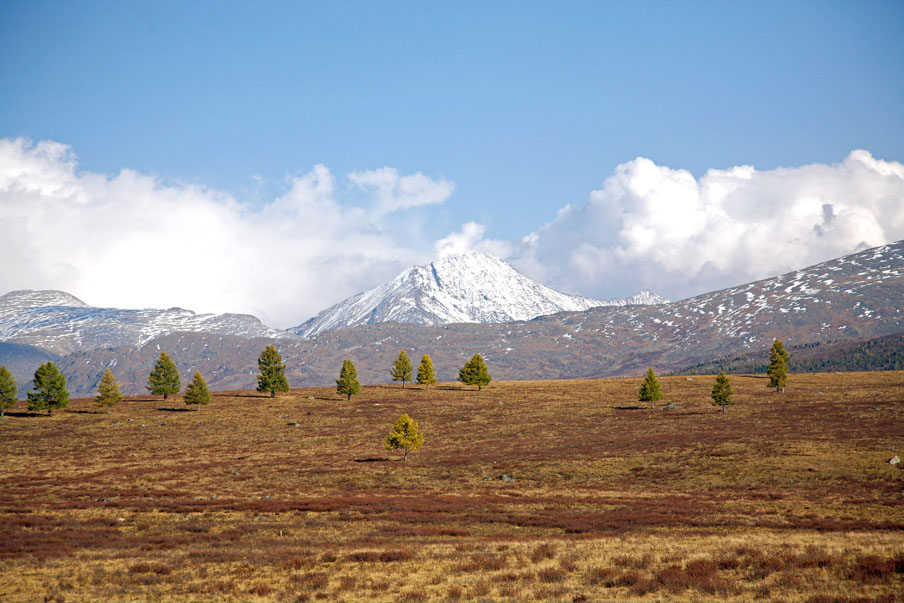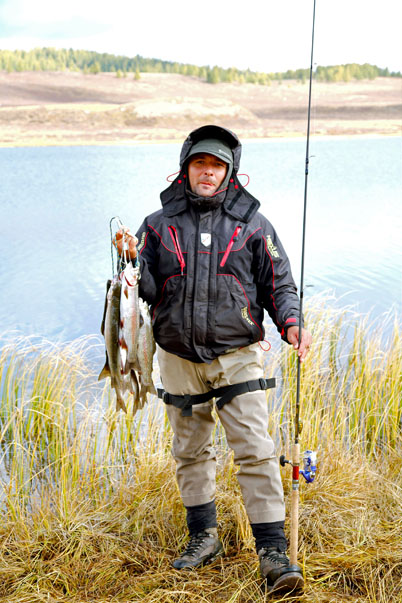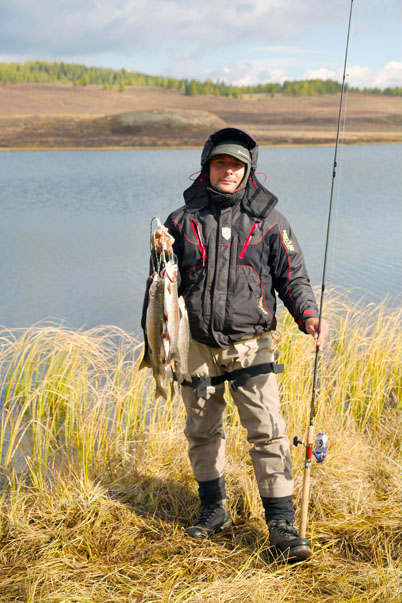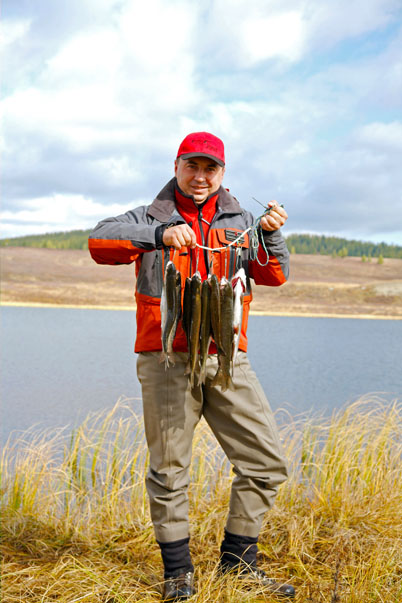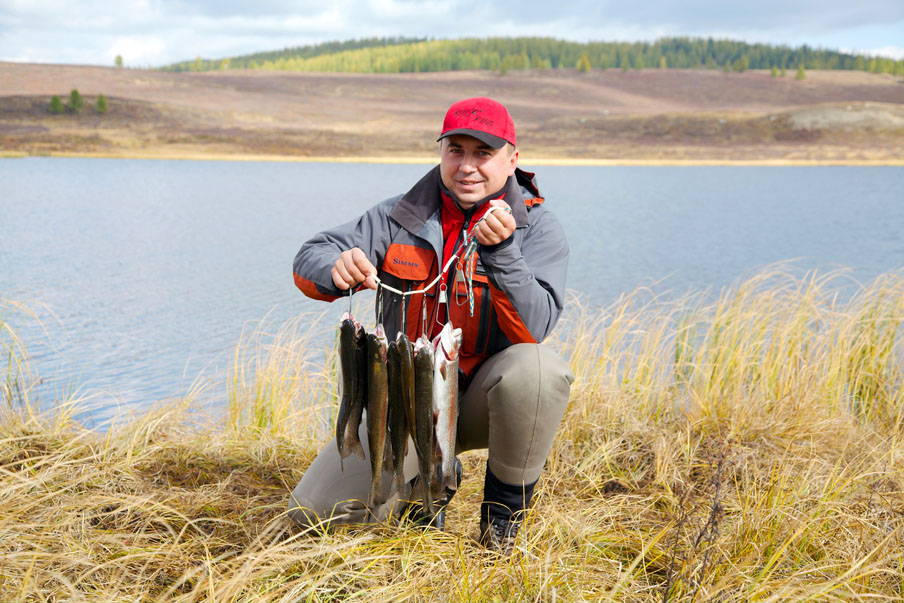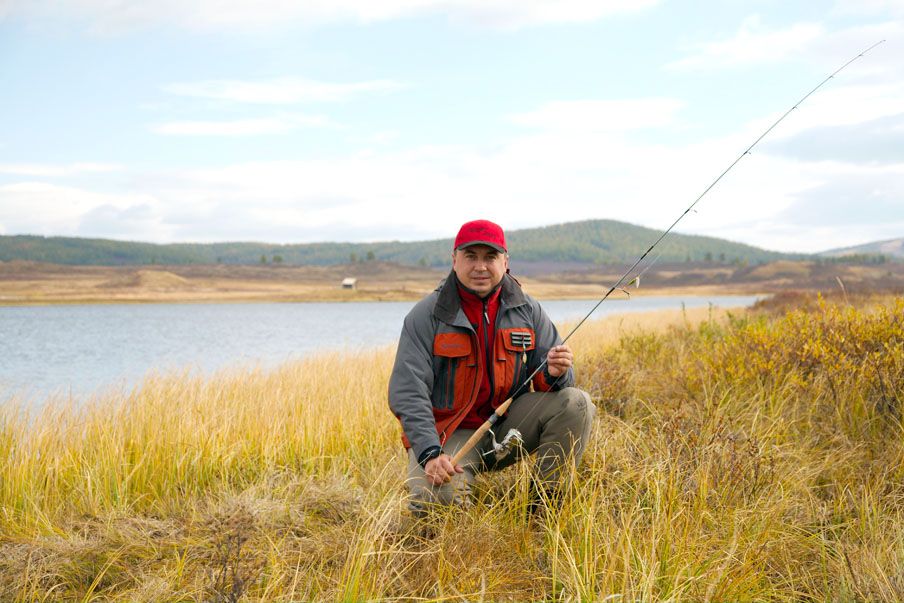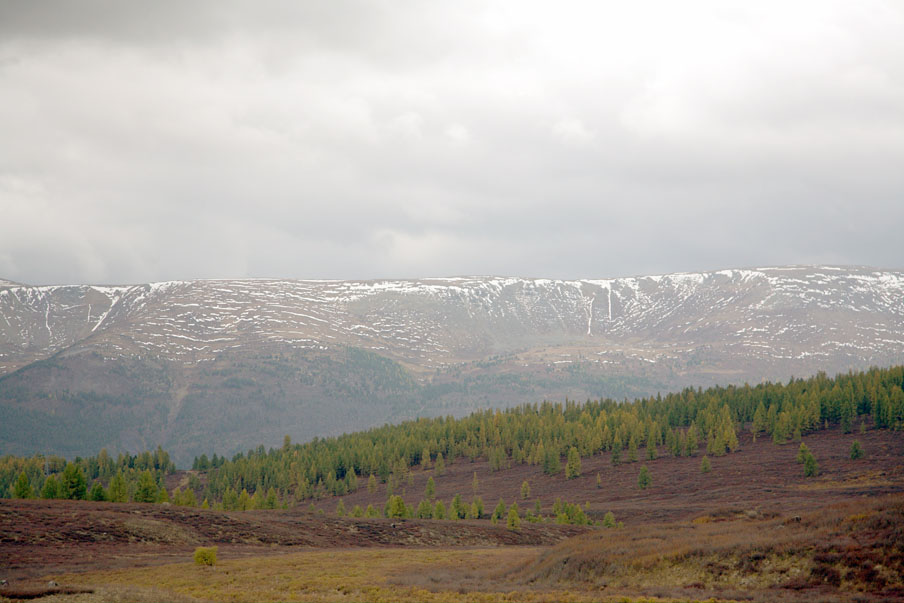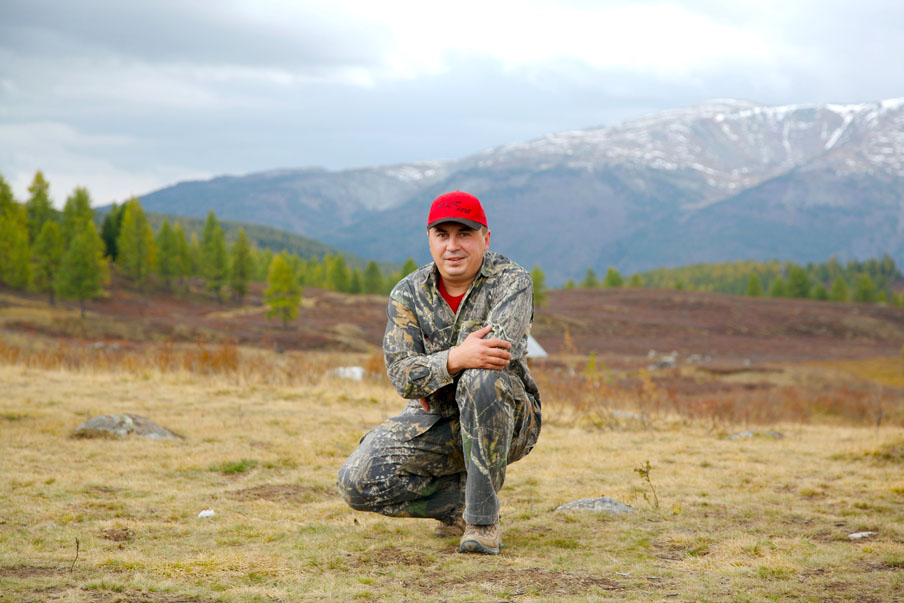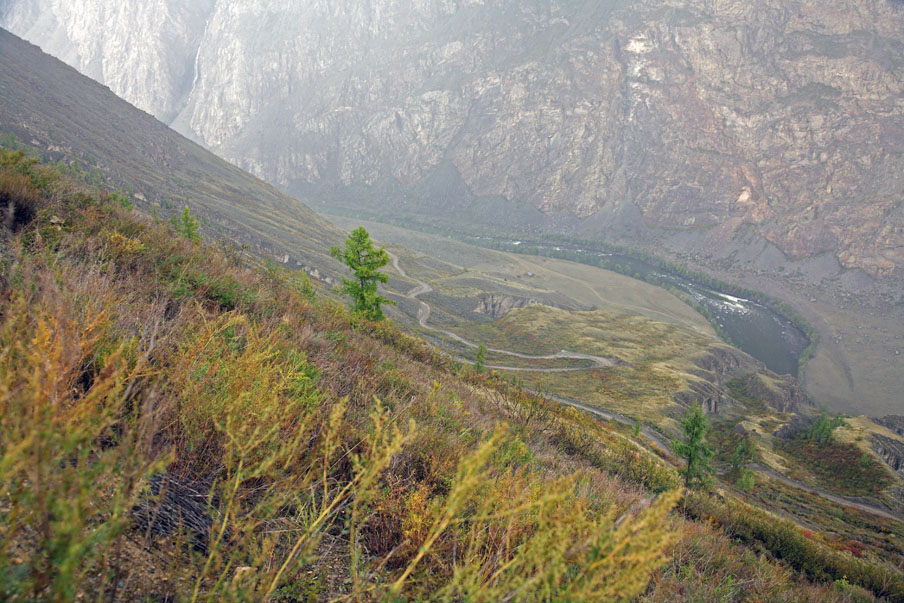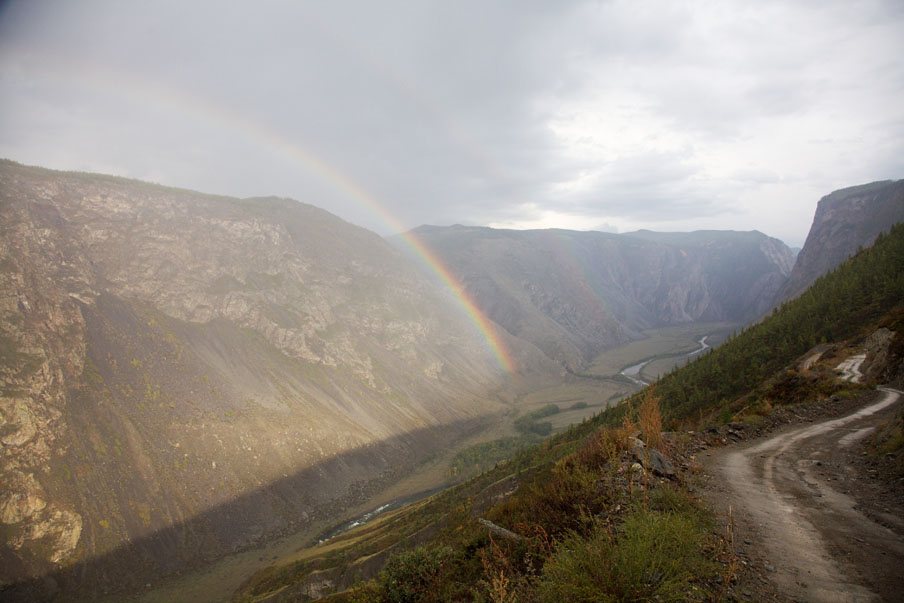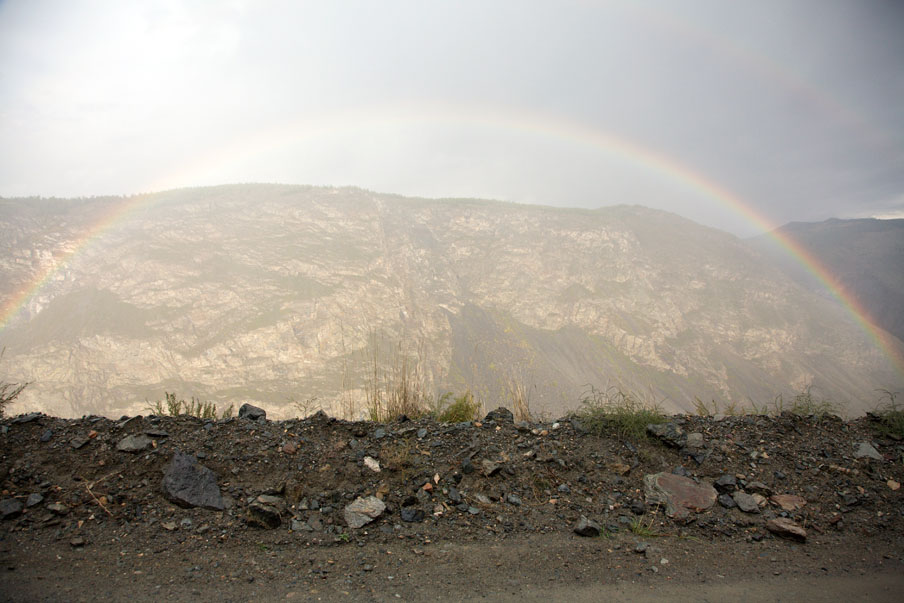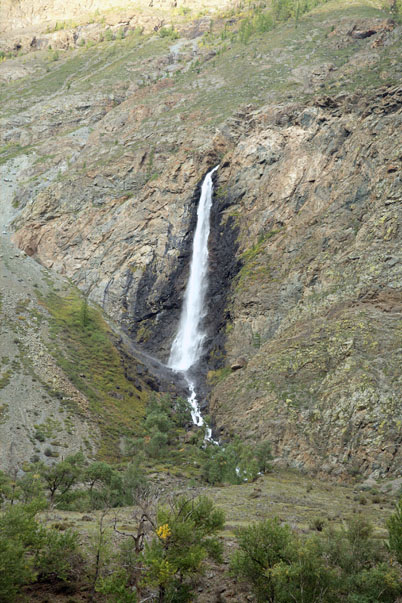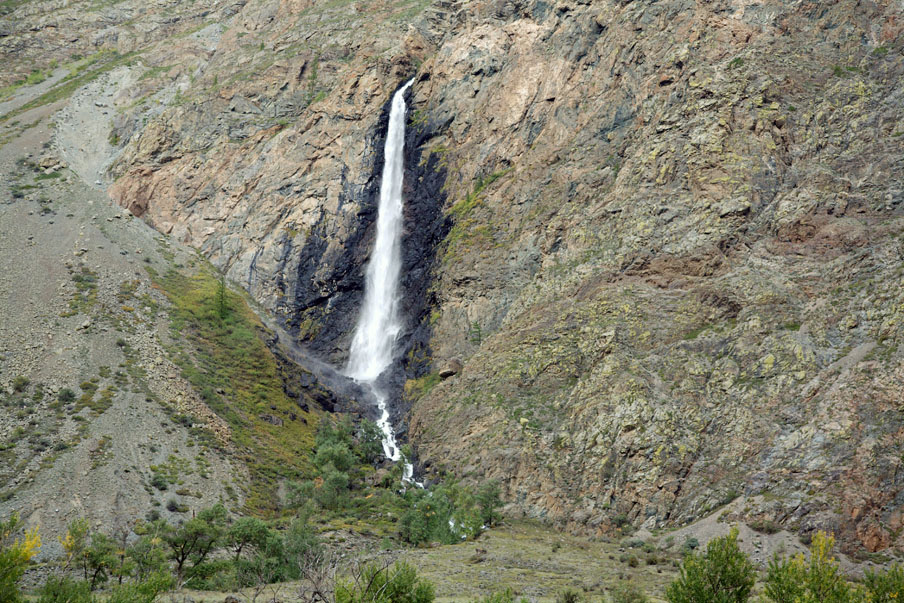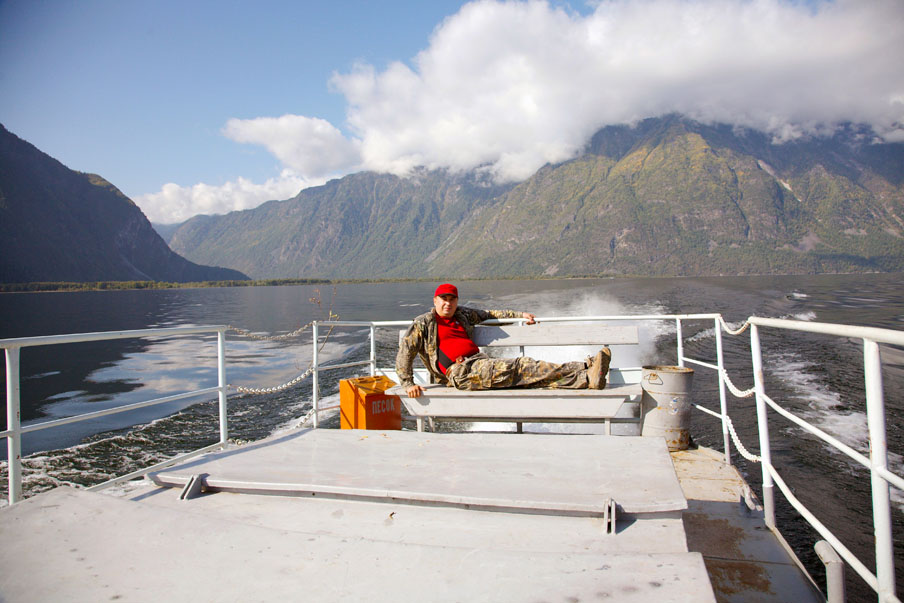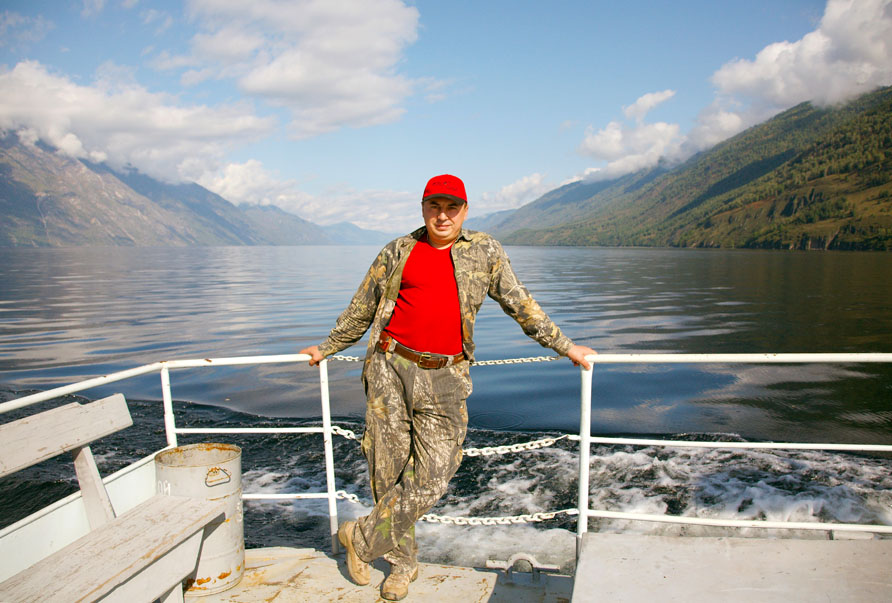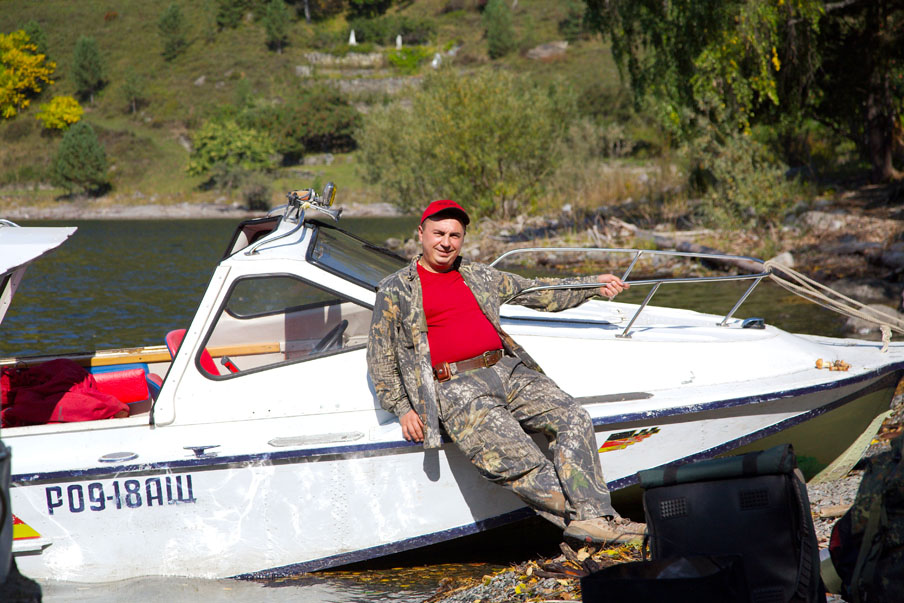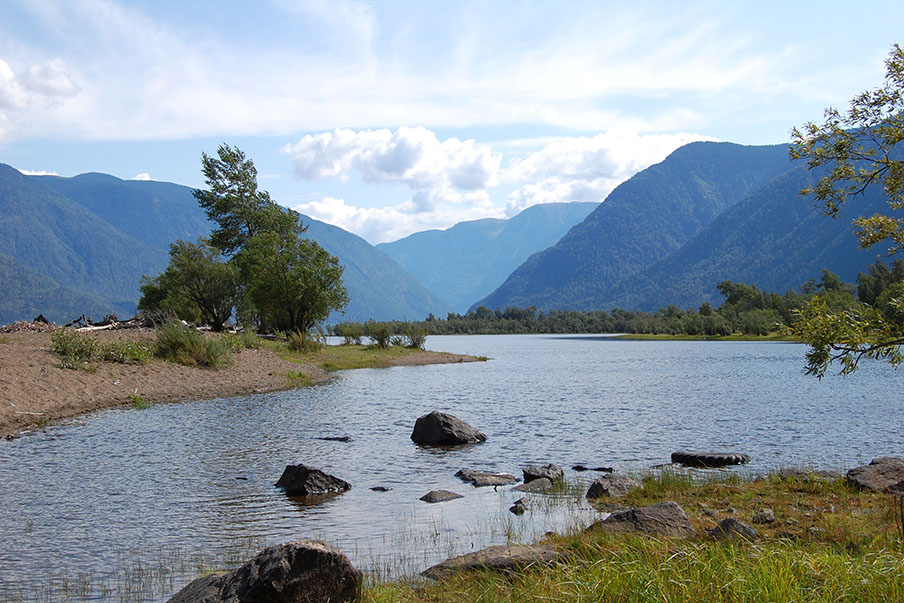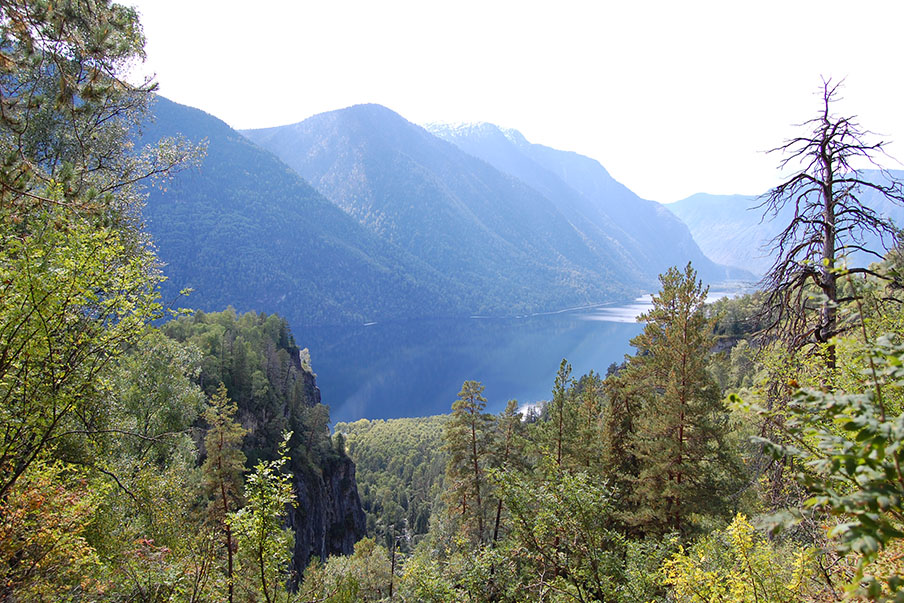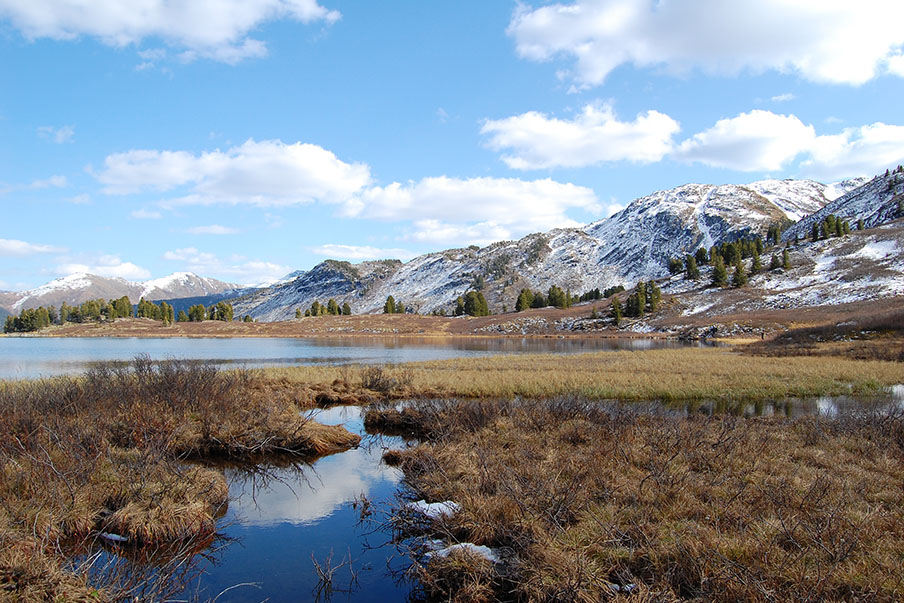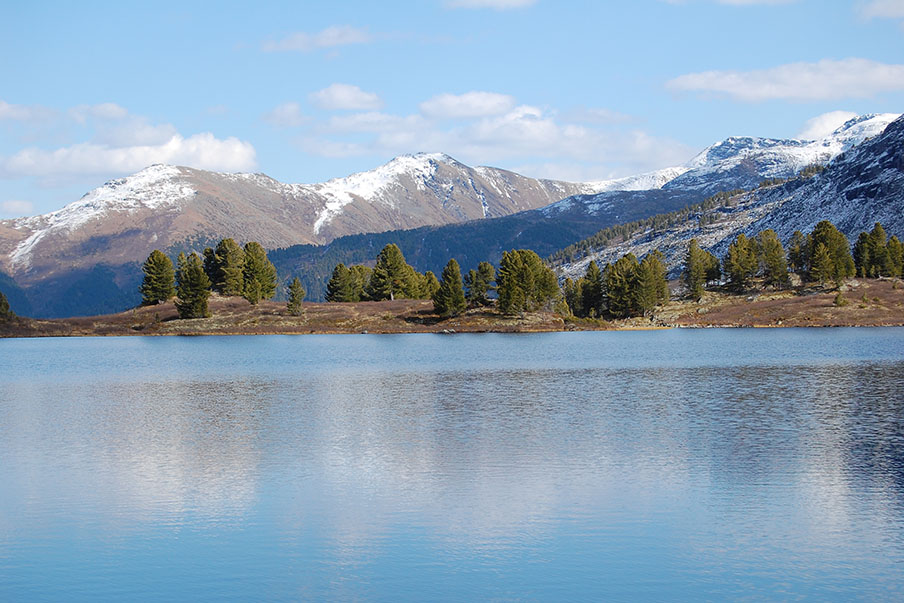

Fishing in the Altai region left a lasting impression on angler and traveler Yuriy Dyachenko, not only for the incredible landscapes and scenery but also for the experience of catching trout. The Altai Republic is a federal subject of the Russian Federation, a republic within it. It is part of the Siberian Federal District and belongs to the Western Siberian economic region. To the northwest, it borders the Altai Krai, to the northeast—Kemerovo Oblast (Kuzbass), to the east—Republic of Khakassia and Republic of Tuva of Russia, to the south—Mongolia and the People’s Republic of China, and to the southwest—Kazakhstan. The climate is sharply continental, with a short, hot summer and a long, cold winter. The average annual temperature in the valleys ranges from 0 to +5°C, which is the highest temperature for Siberia. In the mountains, the average annual temperature drops to -6°C. The republic’s terrain is characterized by high mountain ranges separated by narrow and deep river valleys, with occasional wide intermountain basins. The highest mountain, Belukha (4509 meters), is the highest point in Siberia.
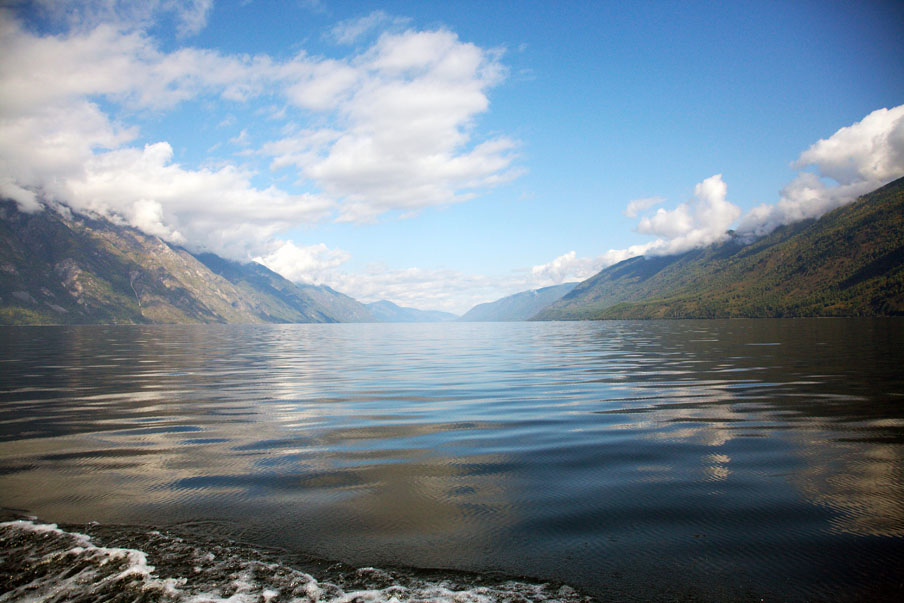
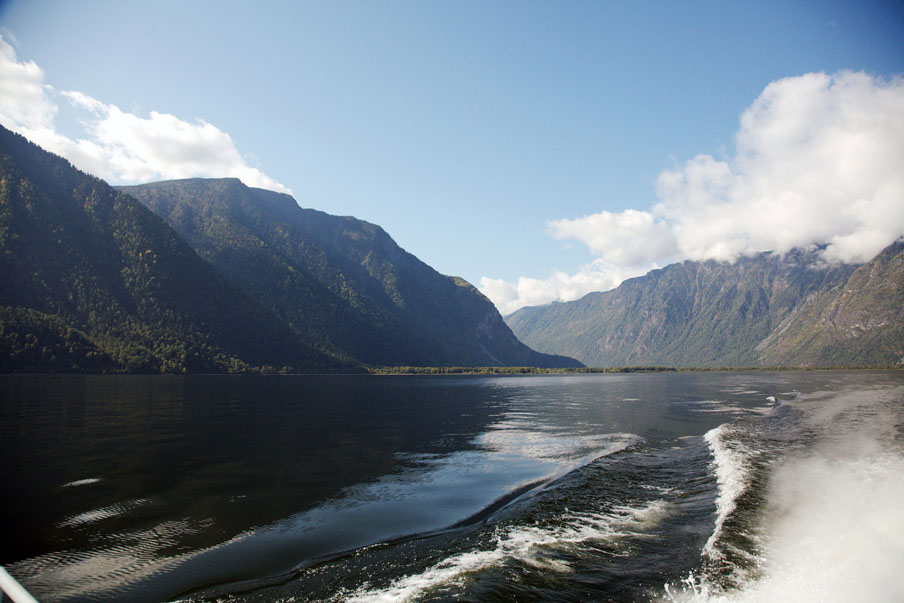
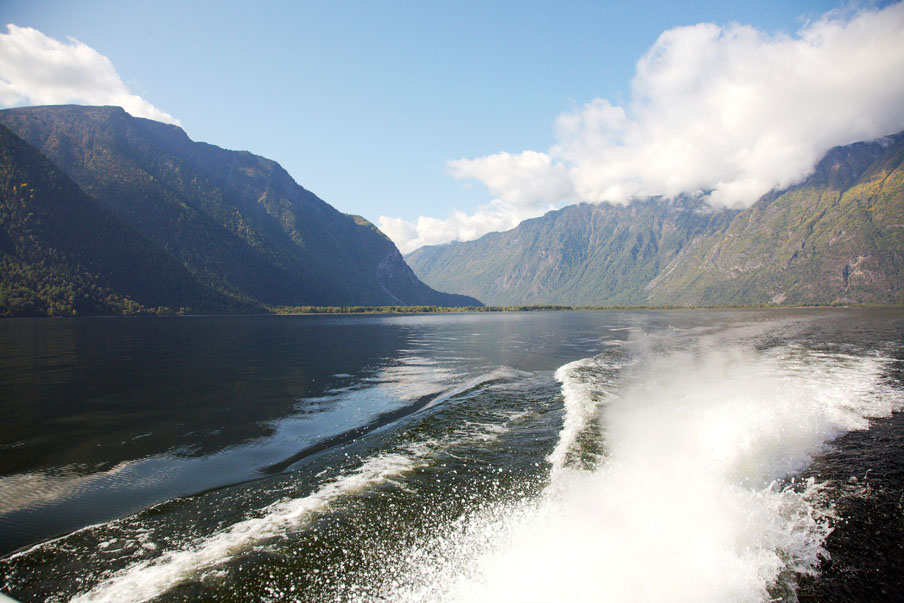
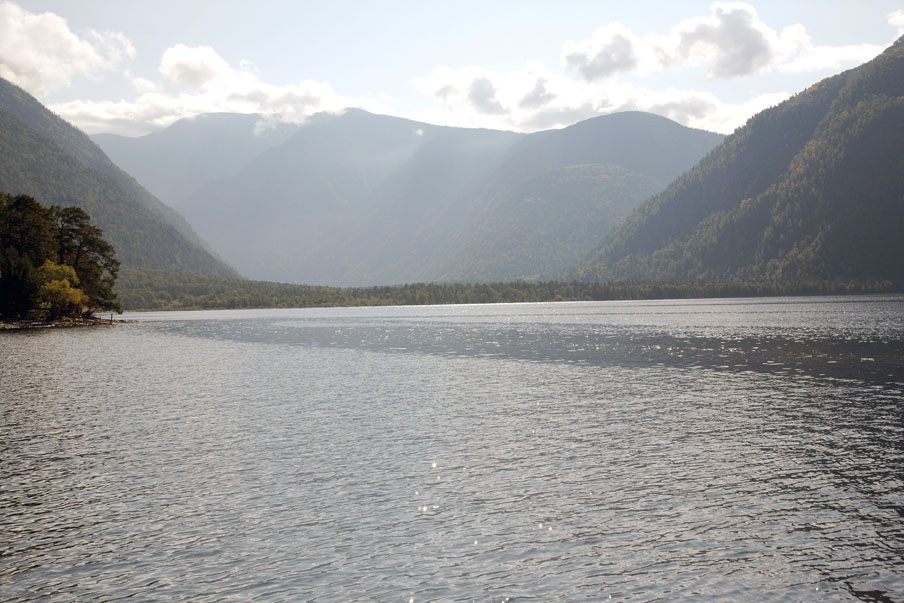
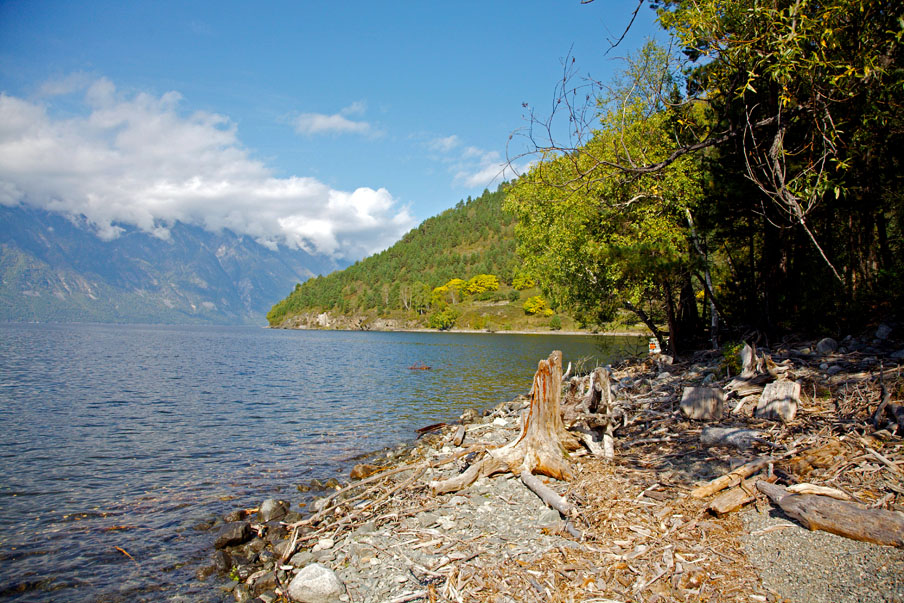
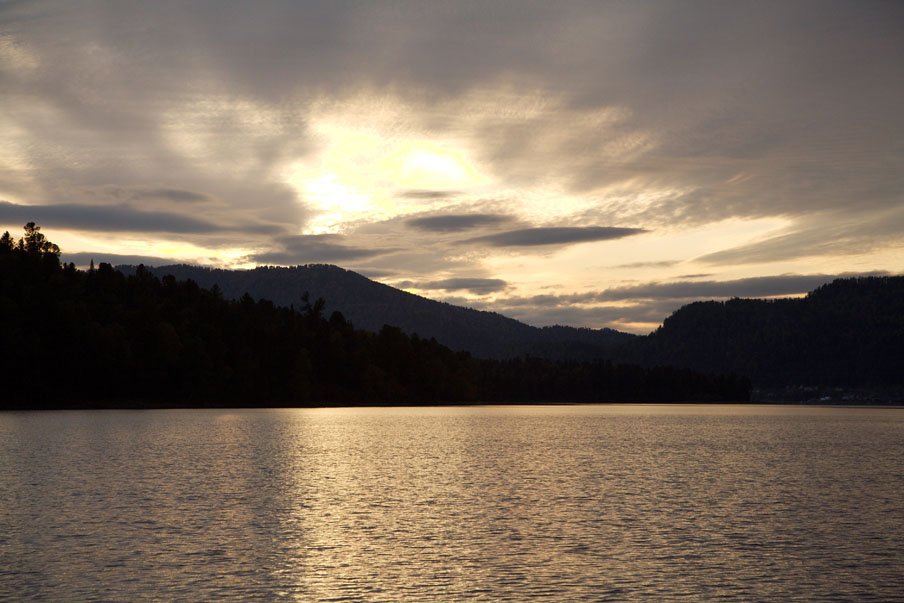
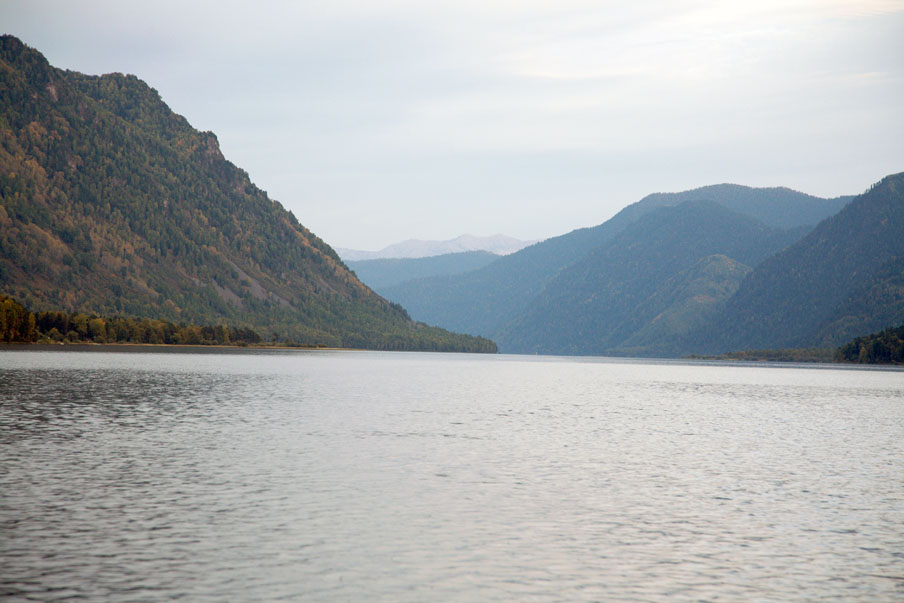
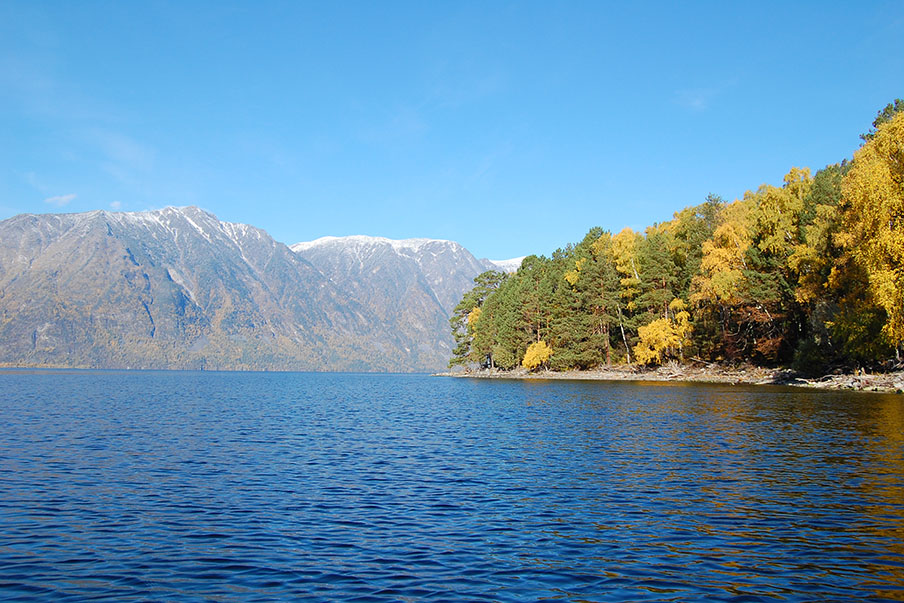
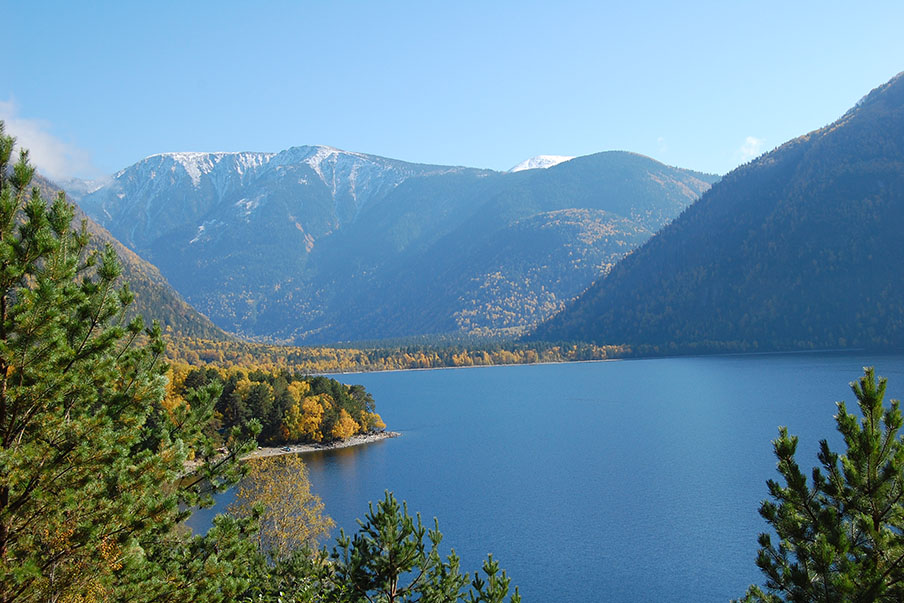
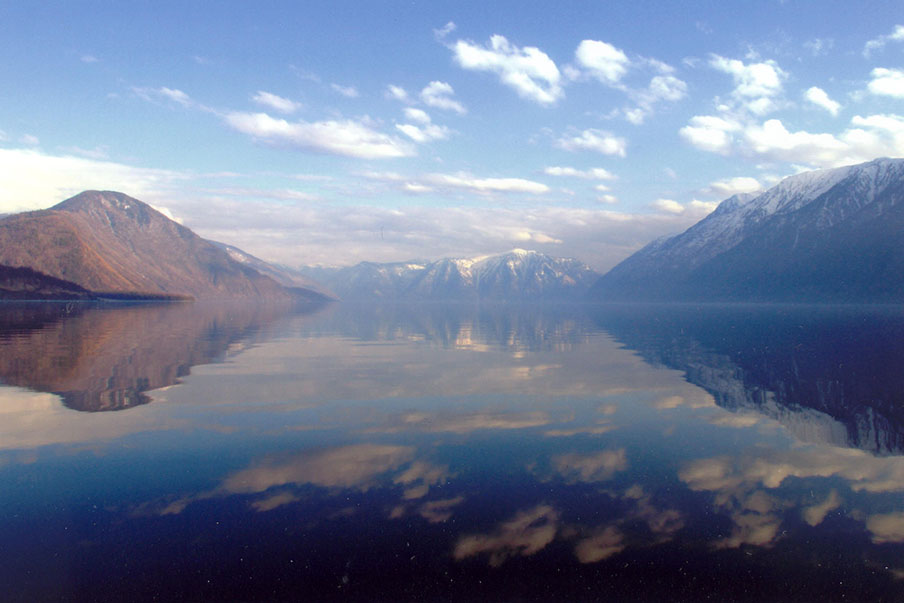
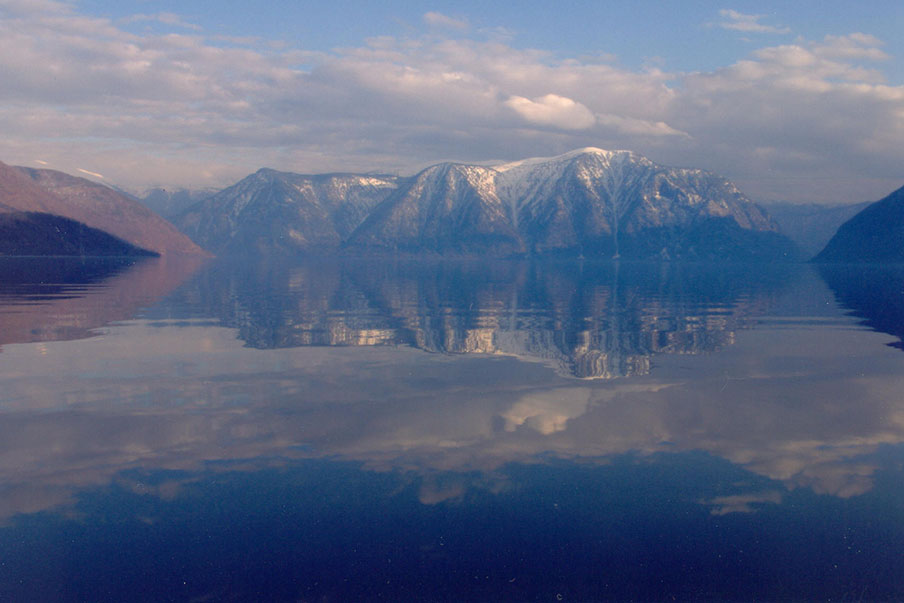
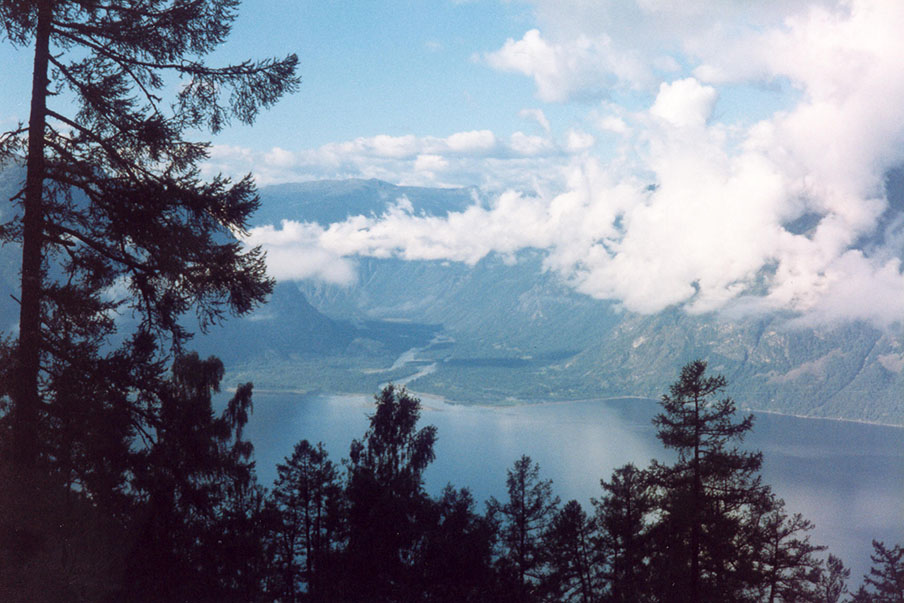
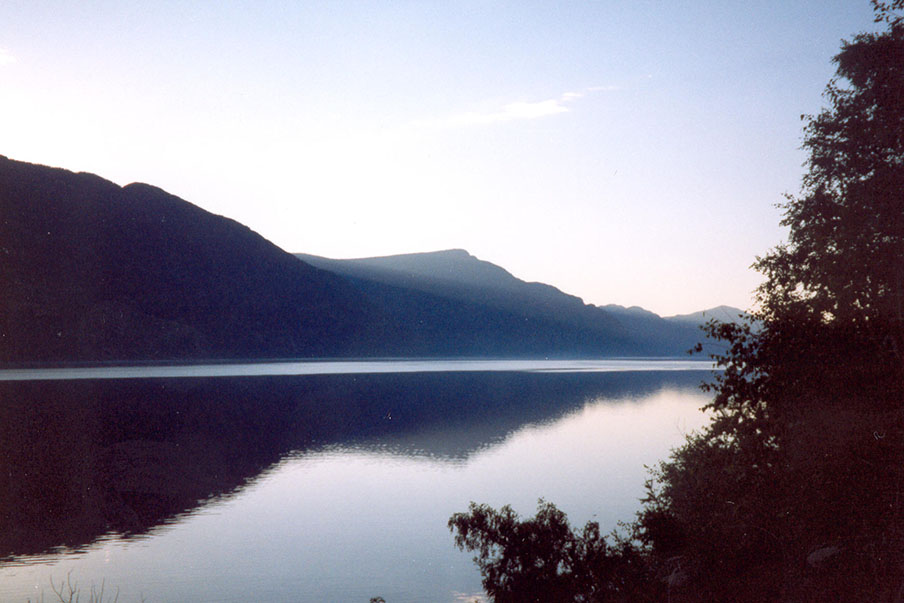
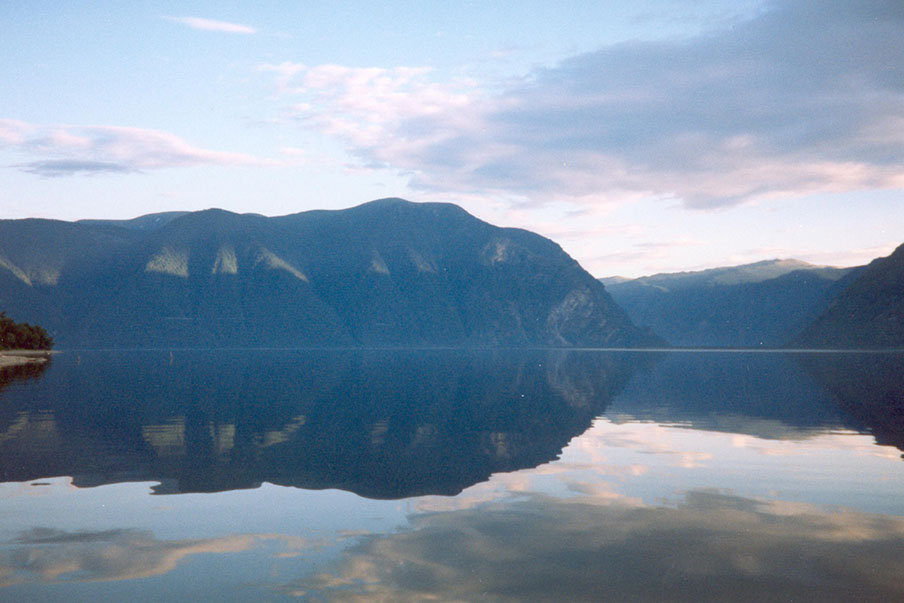
Lake Teletskoye is the jewel of the Altai Mountains. It is one of the deepest and largest bodies of water in Russia and the world. The water in Lake Teletskoye is very cold, rarely warming above +10-15 degrees even in summer, and is extremely clear. Lake Teletskoye is an ideal place for fishing. About 70 rivers and streams flow into the lake, the largest of which is the Chulyshman River. Only one river, the Biya, flows out of Lake Teletskoye. The lake has two large bays, Kamginsky and Kyginsky, where many fish spawn. The lake’s shores are mostly surrounded by mountains, so fishing is mainly done from boats, with only occasional shore fishing. One must be cautious when heading out on the lake by boat, as the weather in this area is very changeable. Lake Teletskoye is the most popular fishing destination in the Altai Mountains. The lake is home to many fish species, and the surrounding nature is simply stunning. However, only the left (western) shore of the lake is used for fishing, as the right shore is protected by the Altai Nature Reserve, where fishing is prohibited. Lake Teletskoye is home to 18 species of fish, among which taimen, Siberian grayling, burbot, pike, perch, and Siberian char are particularly valuable to anglers. Fishing is prohibited during the spawning season, so the fishing season here only runs during the fish’s feeding period. However, since different fish species spawn at different times, there is always an opportunity to fish for a specific species. Fishing on Lake Teletskoye is possible year-round.
For catching brown trout, Yuriy used both spinning and fly-fishing gear. The coloration of brown trout and its body shape vary greatly depending on its habitat. Most often, it has a light copper-brown coloration on its sides, a dark back, and a creamy-white belly. Much of the fish’s body is covered with numerous black round spots with light rings around them, which differ significantly from the simple black dots of rainbow trout. The color of the dorsal fin can vary from yellow-olive to dark brown and even black. The lower fins have shades of yellow-olive, amber, or orange. Brown trout living in large lakes and saltwater are noticeably lighter and have more silvery tones, without the distinct dark spots. Overall, brown trout are more adapted to warmer and more polluted water than other salmonids and trout, but they prefer fresh, cool water with a gentle current. They also favor bodies of water with rocky and gravelly bottoms and are less frequently found in sandy-bottomed areas. Brown trout lead a sedentary lifestyle, staying close to some form of shelter: submerged logs, boulders, or changes in the bottom’s relief. They avoid staying in open streams where they have nowhere to hide. Trout leave their chosen spot only during the spawning season, which takes place in late autumn, in November.
Brown trout are predatory fish, preferring to feed at dawn and dusk, although on cloudy days, they may feed throughout the day. Adult trout mainly feed on small fish, while younger ones feed on aquatic invertebrates, crustaceans, insect larvae, and even fish fry. In warm weather, trout of any size prefer to stay in the upper layers of the water, actively feeding on insects that have fallen into the water. In cold weather, trout stay near the bottom, where they continue to hunt. As Yuriy noted, reeling in a brown trout is reminiscent of catching the more familiar chub, but with much stronger, more spontaneous, and chaotic tugs and turns. As a member of the salmon family, brown trout fights until the very last moment, providing the angler with plenty of positive emotions.
The expedition to the Altai region, specifically to the Sava River, left Yuriy with countless positive emotions and pleasant memories!