
Perhaps every angler has heard of the trophy monsters that inhabit Siberia. This is a vast natural and historical region in Northern Asia, bordered by the Ural Mountains to the west, the dividing mountain ranges separating the basins of the Arctic and Pacific Oceans to the east, the Arctic Ocean to the north, and the state border of Russia to the south. Most of Siberia became part of Russia in the 16th to 18th centuries and constitutes its Asian part. It is divided into Western and Eastern Siberia. Sometimes, Southern Siberia (in the mountainous part, particularly the Altai Krai and the Republic of Altai), Northeastern Siberia, and Central (Middle) Siberia are also distinguished. The Far East is historically also part of Siberia in a broad sense and is sometimes still referred to as part of Siberia, especially in historical publications. The area is about 10 million square kilometers, stretching 7,500 kilometers from west to east and 3,500 kilometers from north to south.
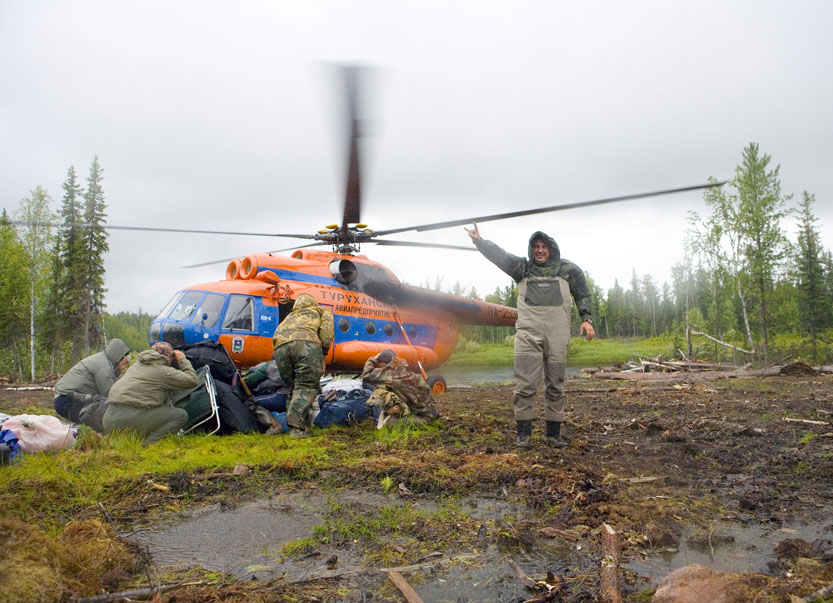
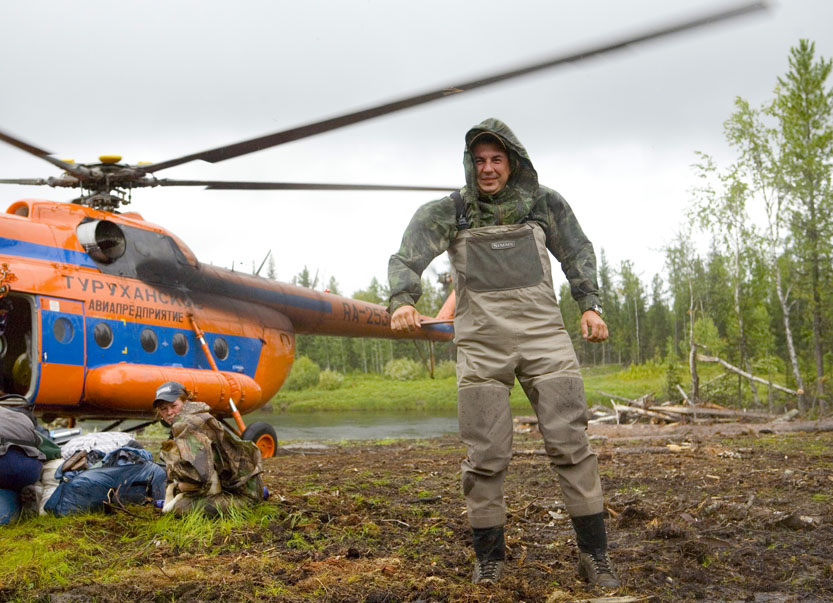
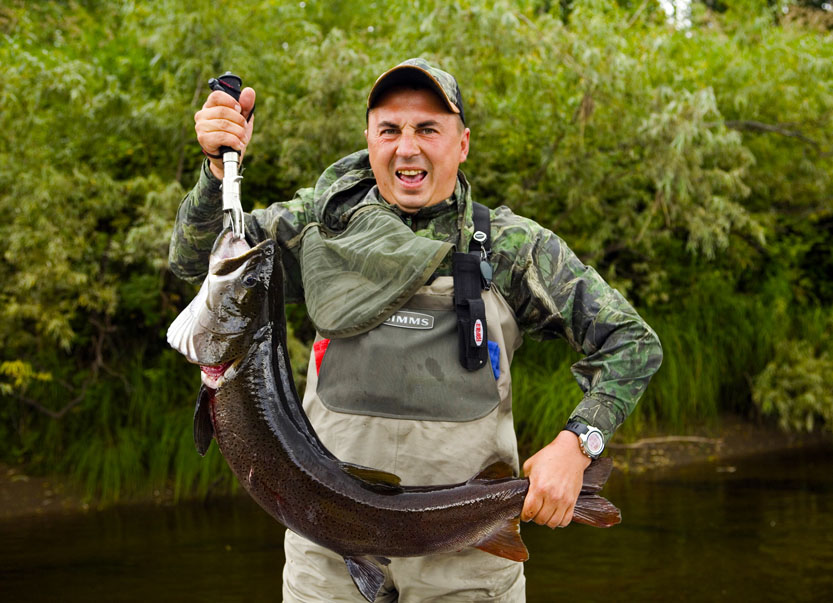
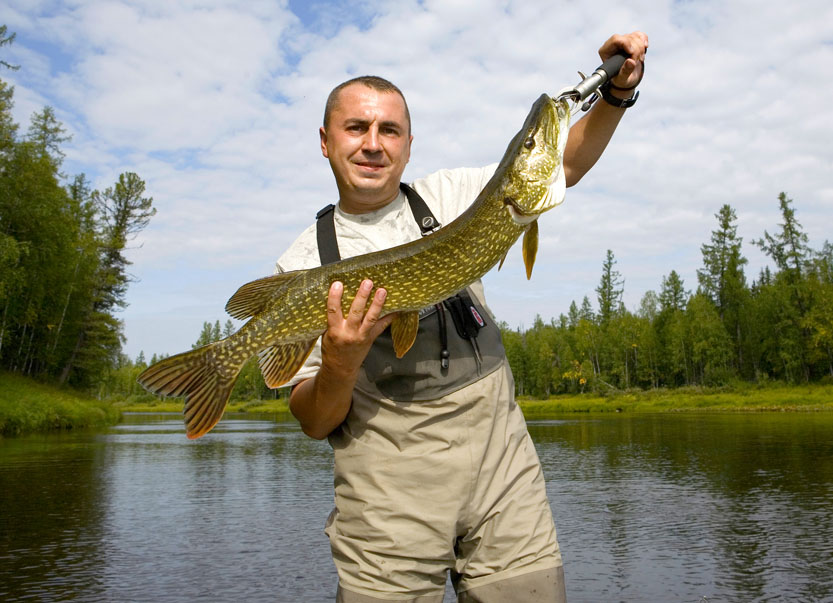
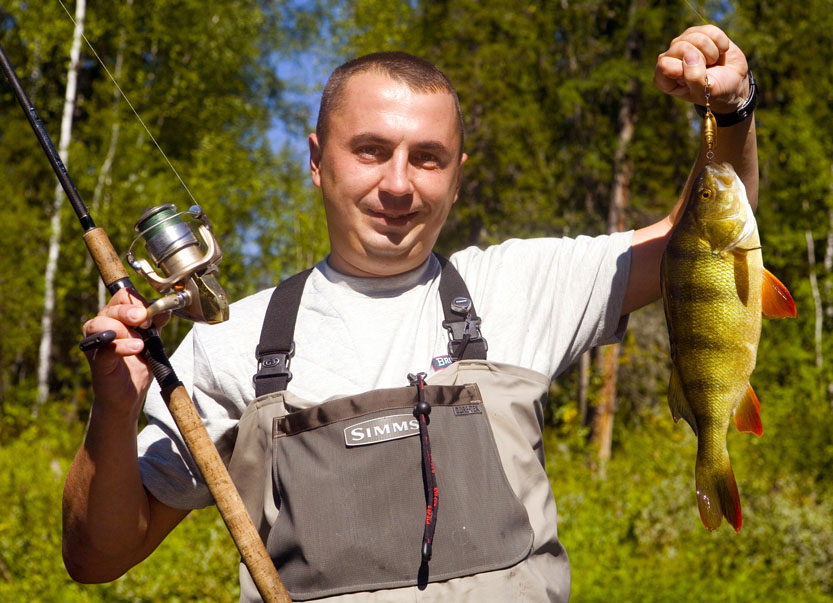
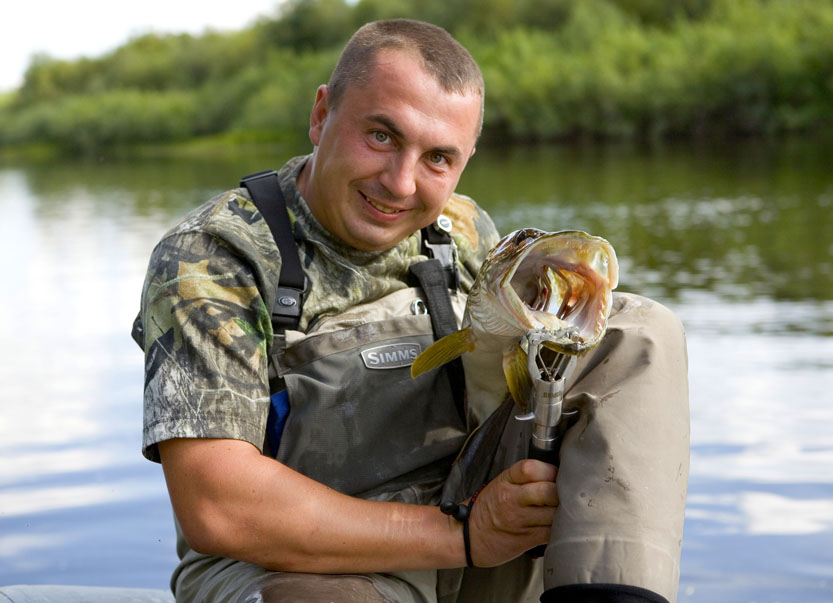
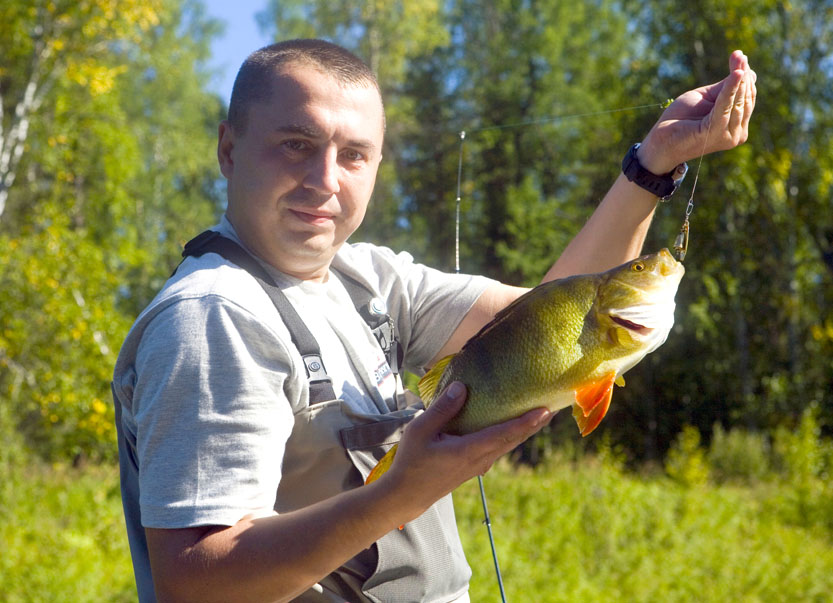
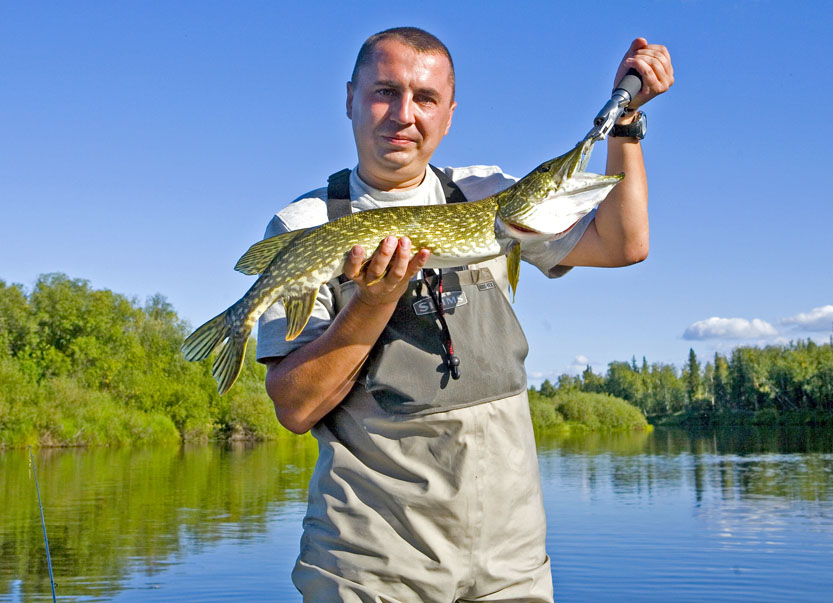
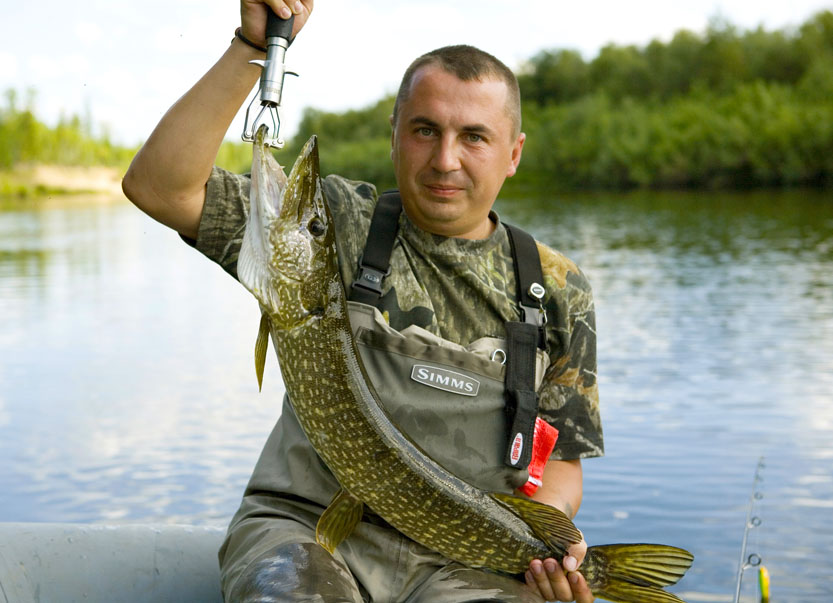
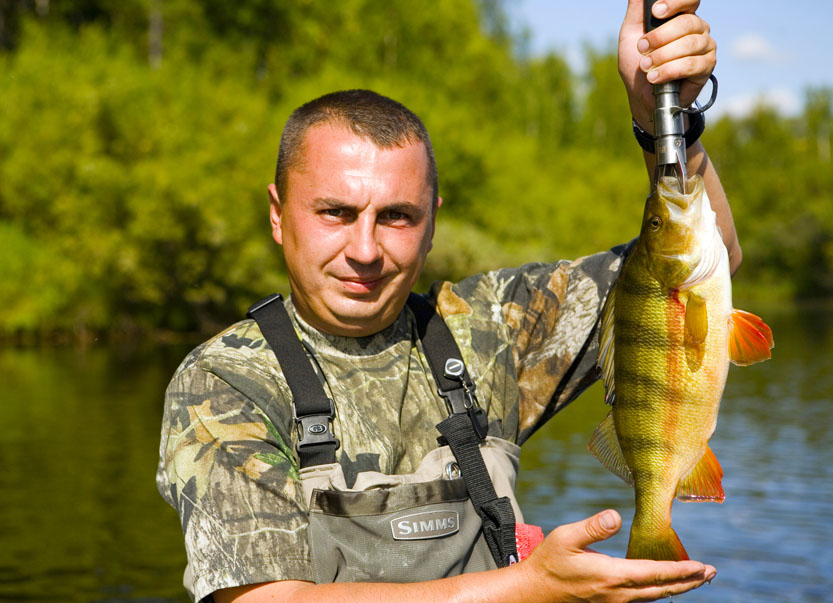
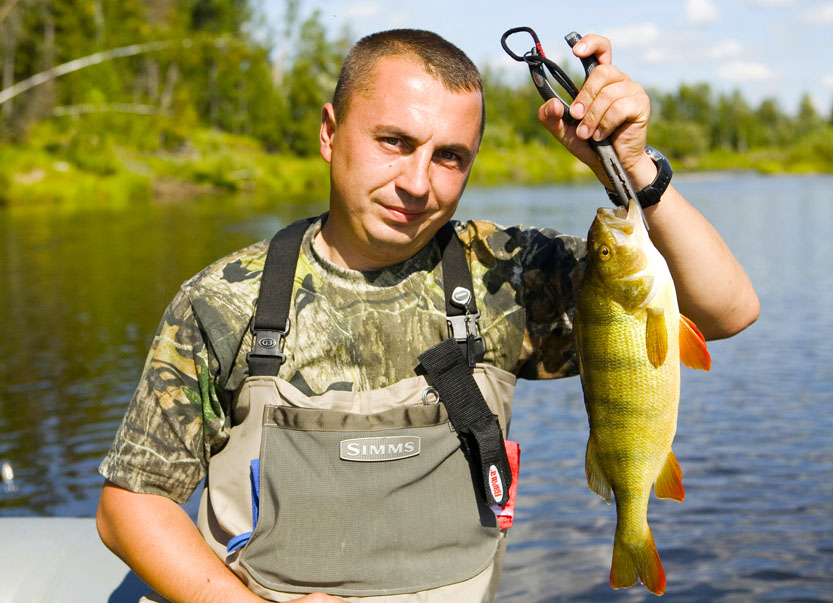
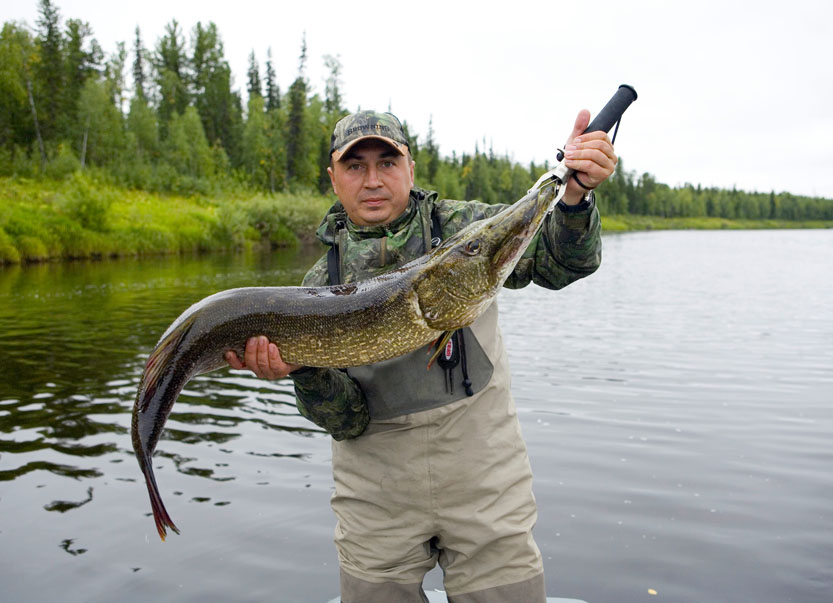
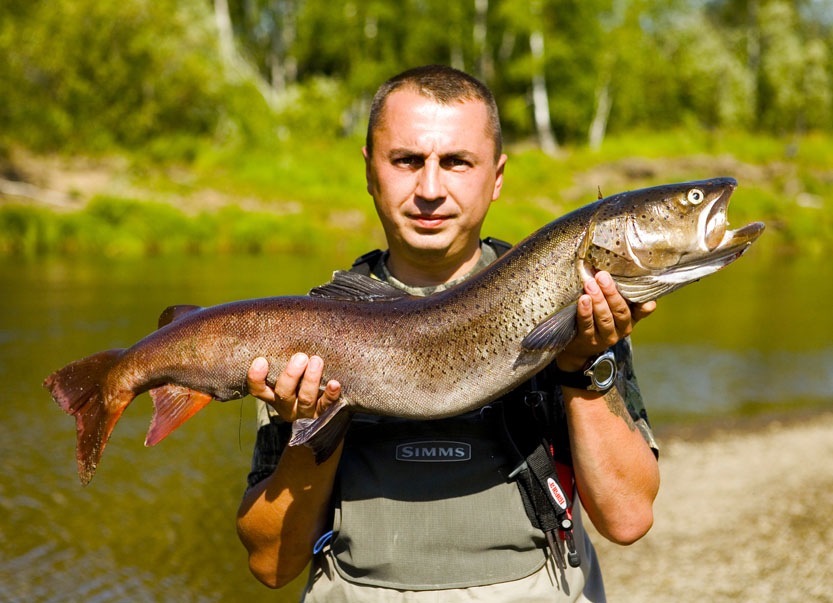
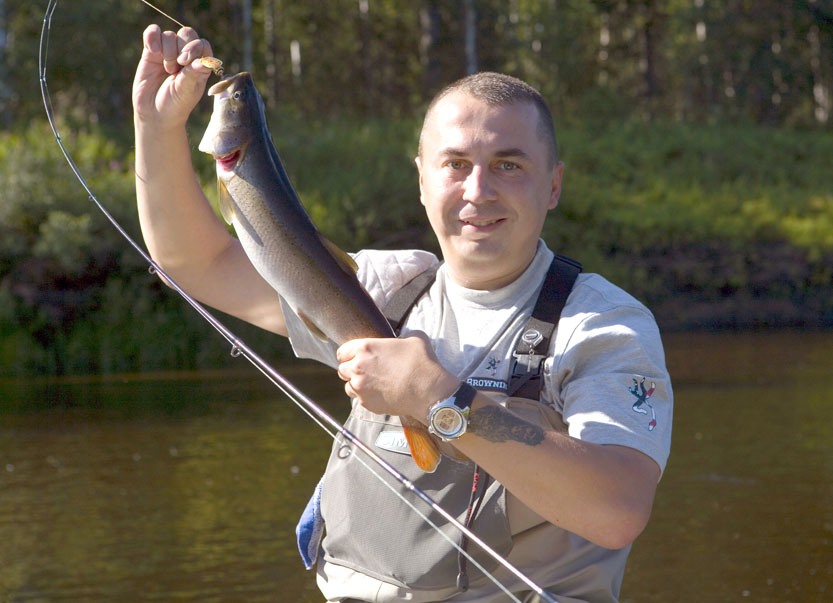
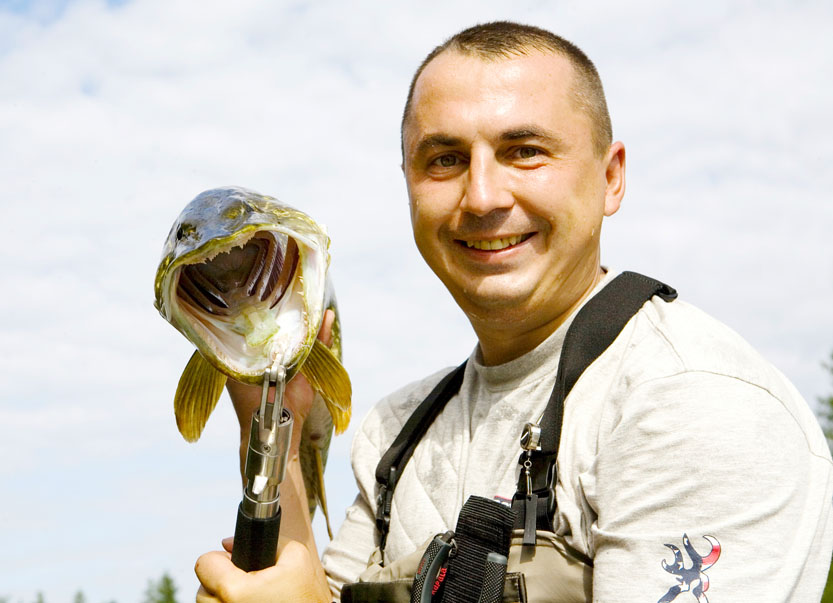
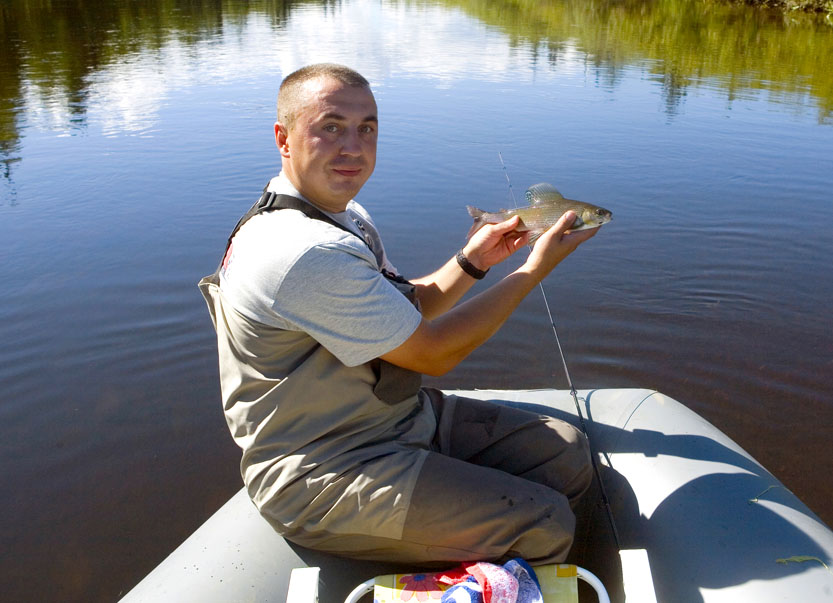
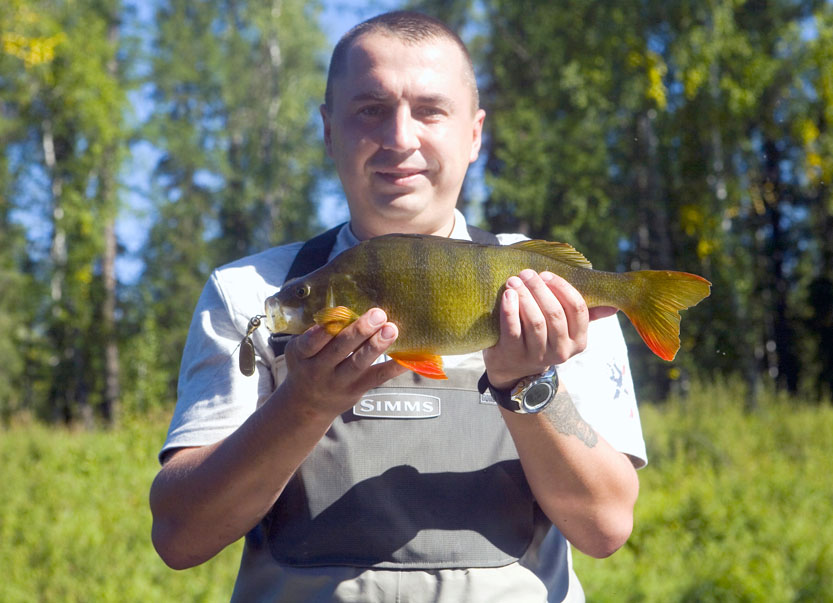
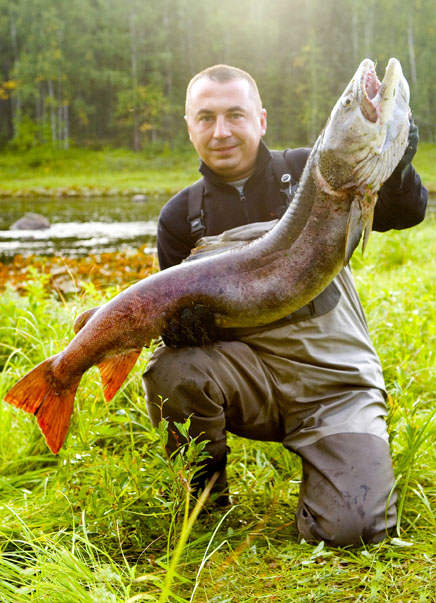
Siberia boasts a vast diversity of zonal landscapes, which is reflected in the abundance and variety of animal species in these regions. Each landscape in Siberia has its own distinct array of animals and plants. The rivers and lakes are teeming with a wide variety of both predatory and peaceful fish species. The goal of Yuriy Kostyantynovych’s expedition to Siberia was to fly fish and spin fish on the Sukhaya Bakhta River. The Sukhaya Bakhta is a tributary of the Bakhta River, which flows into the Yenisei 100 kilometers from the village of Bor. Compared to the Bakhta, the Sukhaya Bakhta is less full-flowing and quite suitable for rafting. Its upper reaches feature calm currents, pools, pits, and occasional rapids. The riverbanks are picturesque, and the waters host a diverse range of fish species. The Sukhaya Bakhta is in high demand among tourists. Naturally, Yuriy was most interested in catching the taimen—a member of the salmon family. The largest specimens can reach lengths of 1.5–2 meters and weigh 60–80 kilograms.
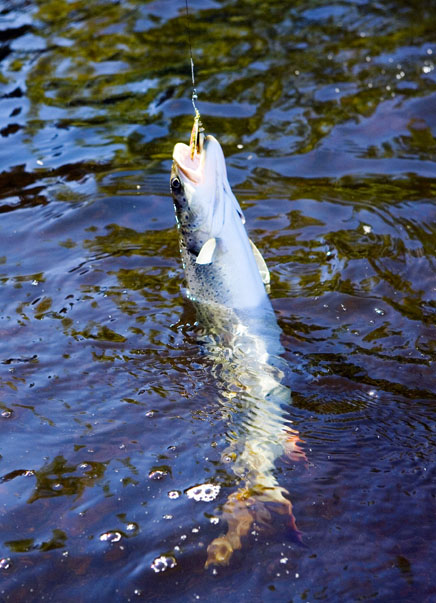
The taimen’s body is fairly slender but somewhat blocky, covered in small silvery scales like most salmonids. On the head, when viewed from above, numerous black spots can be seen, as well as on the sides, where they may form an “X” shape or be purely round. The head somewhat resembles that of a pike, as it is flattened from top to bottom. The taimen has a fairly wide mouth, spanning the entire width of the head, and it opens almost to the gill slits. The upper and lower jaws are lined with quite sharp, inward-curving teeth that grow in several rows. The taimen has strong, broad fins that provide the predator with great maneuverability and speed in the water.
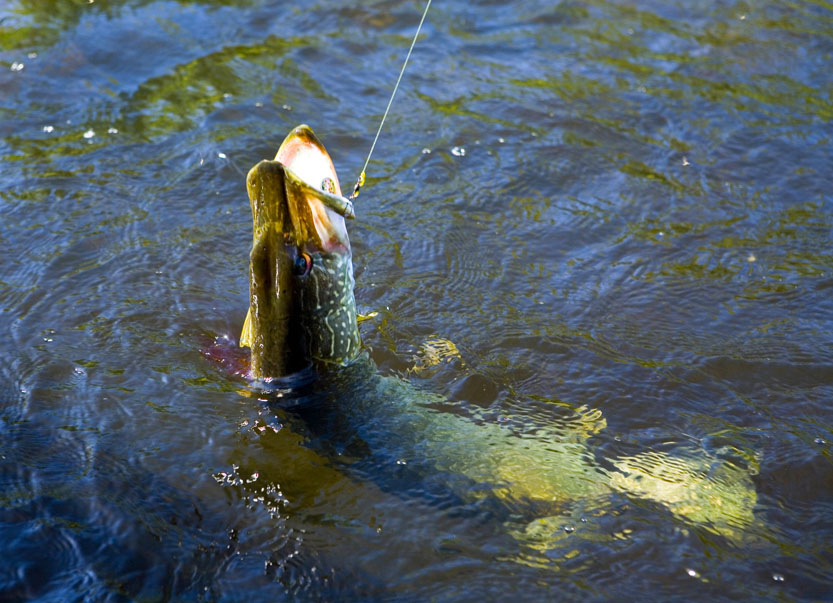
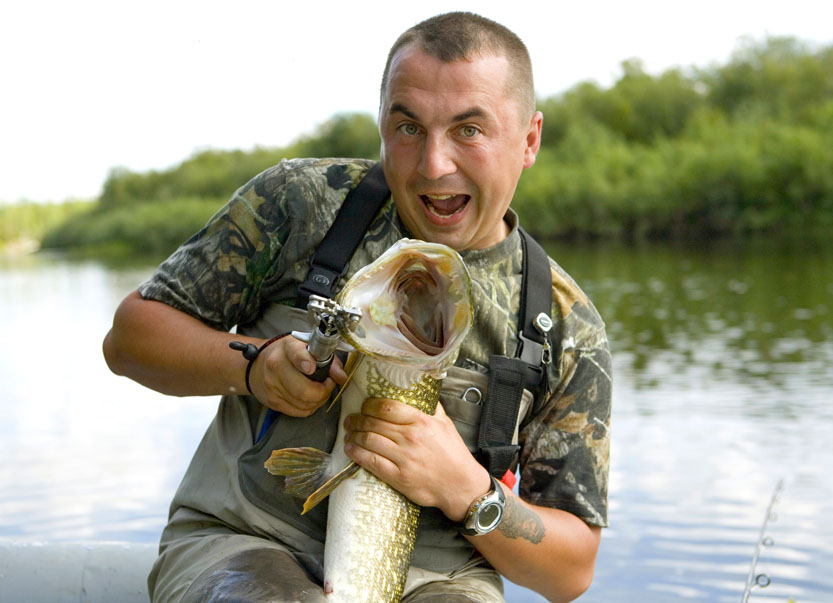
As Yuriy has repeatedly noted, the taimen is a true fighter, and the process of reeling it in is turbulent, emotional, and keeps the angler in a state akin to a coiled spring. Fly fishing for taimen is a true art form, and only a true master of the craft can entice a trophy specimen to bite!