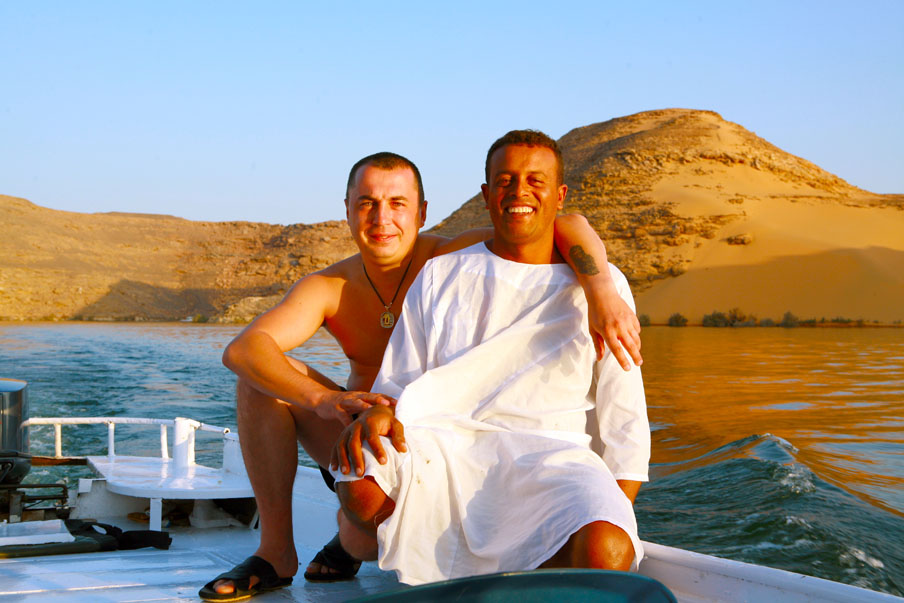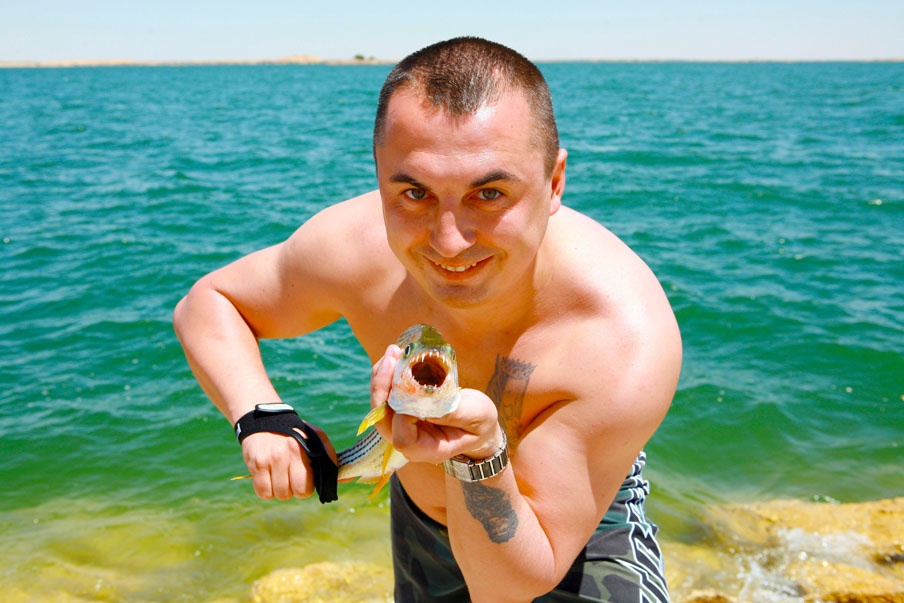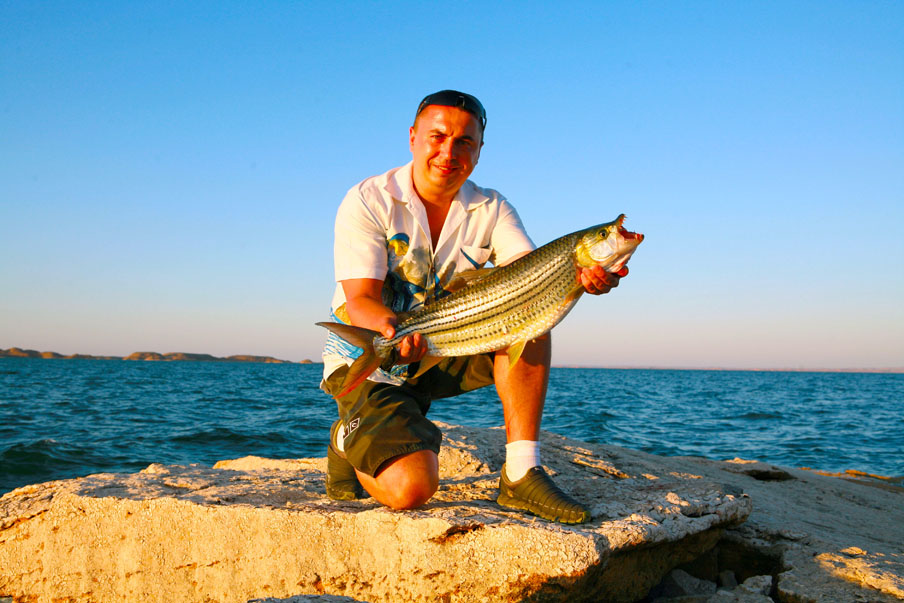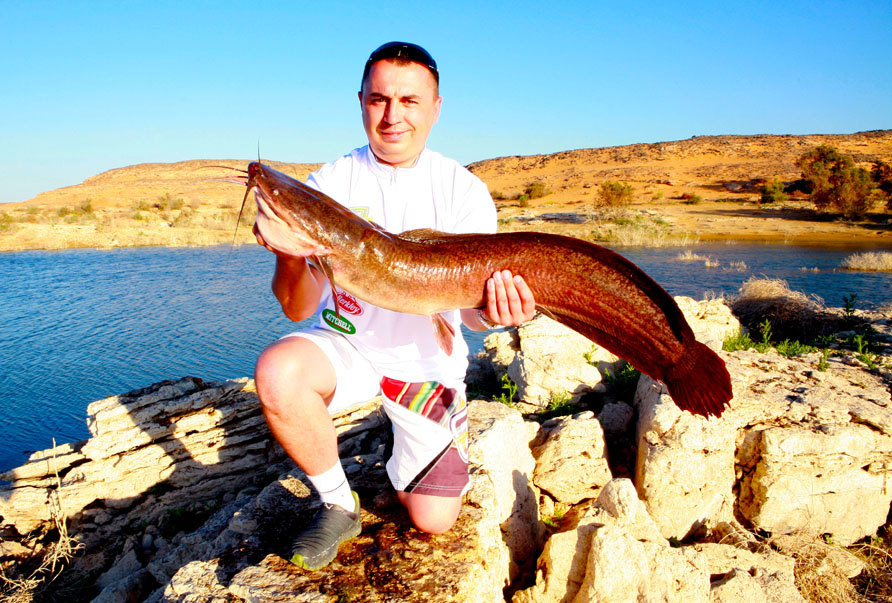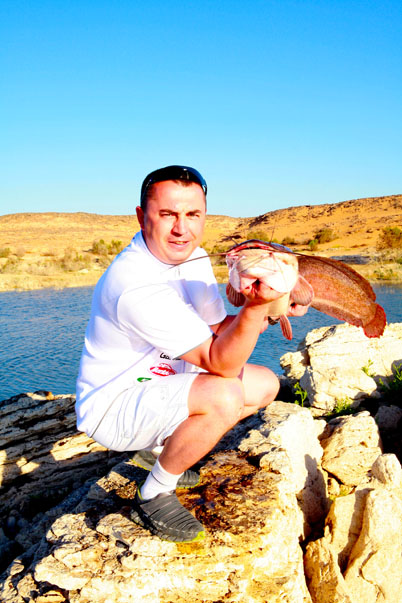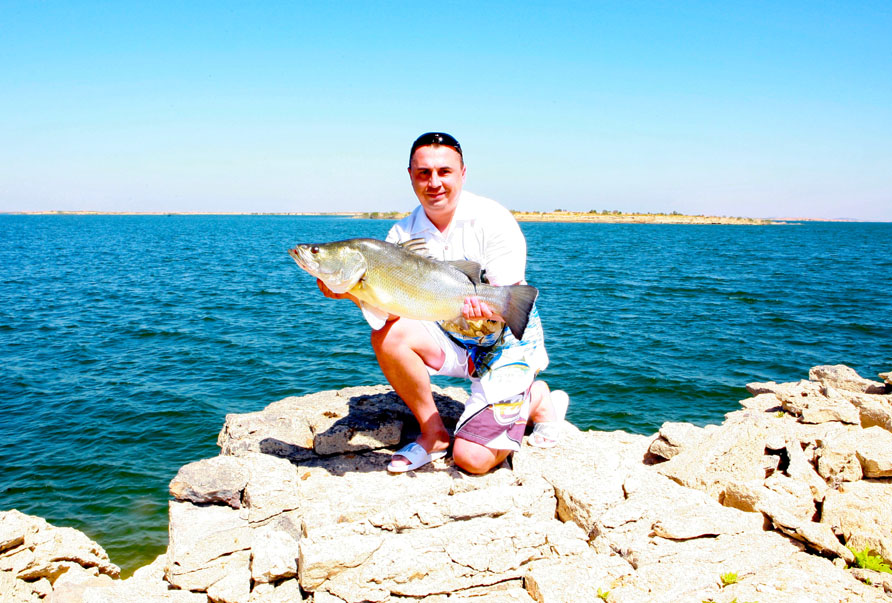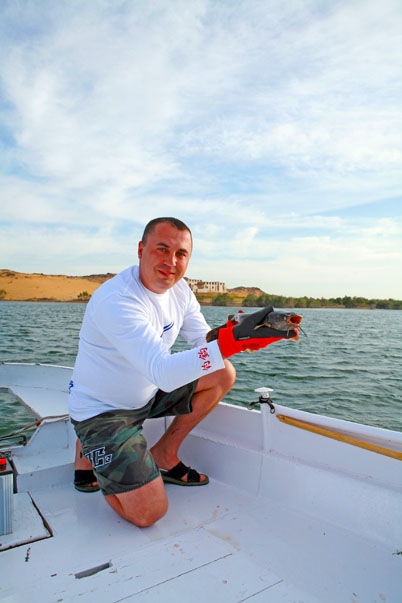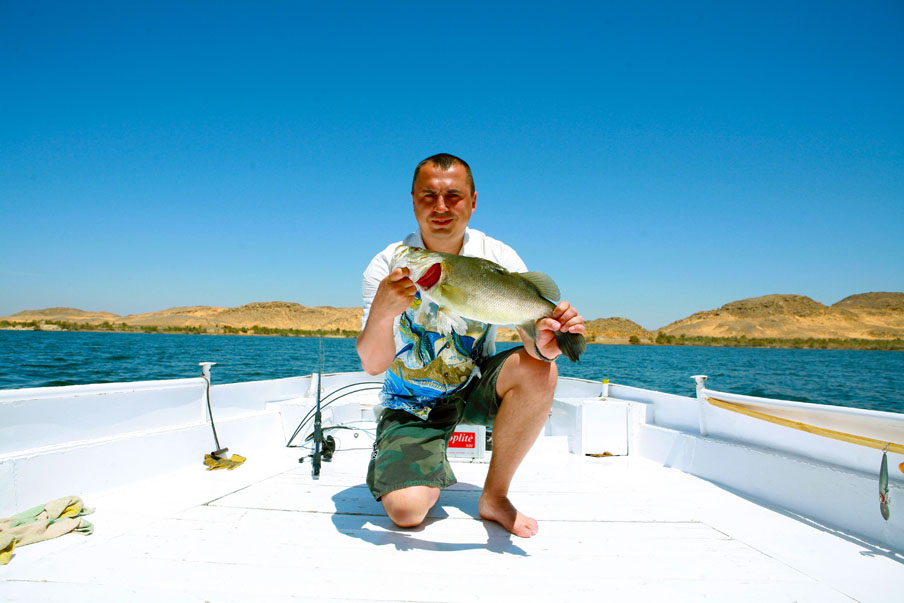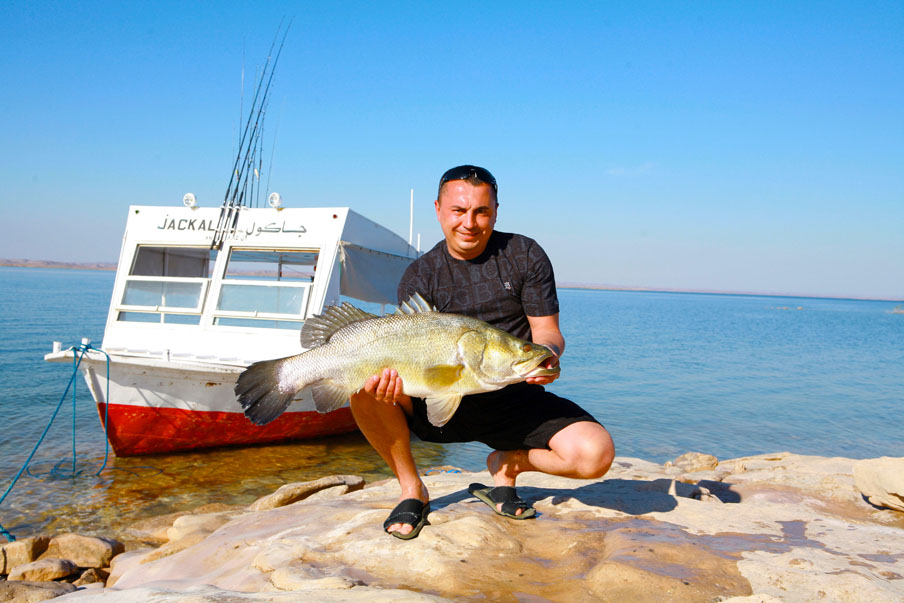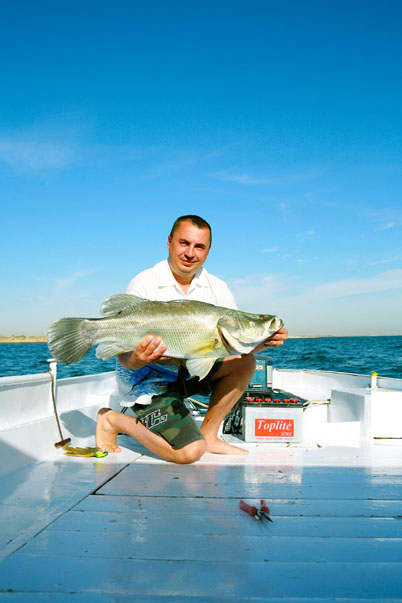

Egypt offers tourists a unique opportunity to visit ancient landmarks, take a few photos with the pyramids and the Sphinx, participate in tea with Bedouins, ride quad bikes among the sand dunes, take a boat trip with the family, or enjoy the beautiful view of the reefs in the Red Sea. However, the traveler and passionate angler Yuriy Kostyantynovych, while sitting on a train heading to Egypt, had a completely different priority: catching the unique and unusual Nile perch.
Egypt, officially the Arab Republic of Egypt, is a transcontinental state located in North Africa and the Middle East (the Sinai Peninsula). To the northeast, it borders Israel and the partially recognized state of Palestine, to the south, it borders Sudan, and to the west, Libya. In the north, the country is washed by the waters of the Mediterranean Sea, and in the east, by the Red Sea. Incidentally, both seas are connected by the artificially created Suez Canal. Egypt is situated within the subtropical and tropical climatic zones. The country predominantly experiences a tropical desert climate. Egyptian summers are very hot, with daytime temperatures sometimes reaching 50 degrees Celsius in the shade, but nights are always much cooler, with significant daily temperature fluctuations. The seasonal changes are less pronounced. On the coast, both daily and seasonal temperature fluctuations are much smaller than inland. Winters in Egypt are significantly cooler, with daytime temperatures in January typically ranging from 20-25°C. At night, it can get cold, usually around 10°C, and light frosts (down to −5°C) are possible in the deserts.
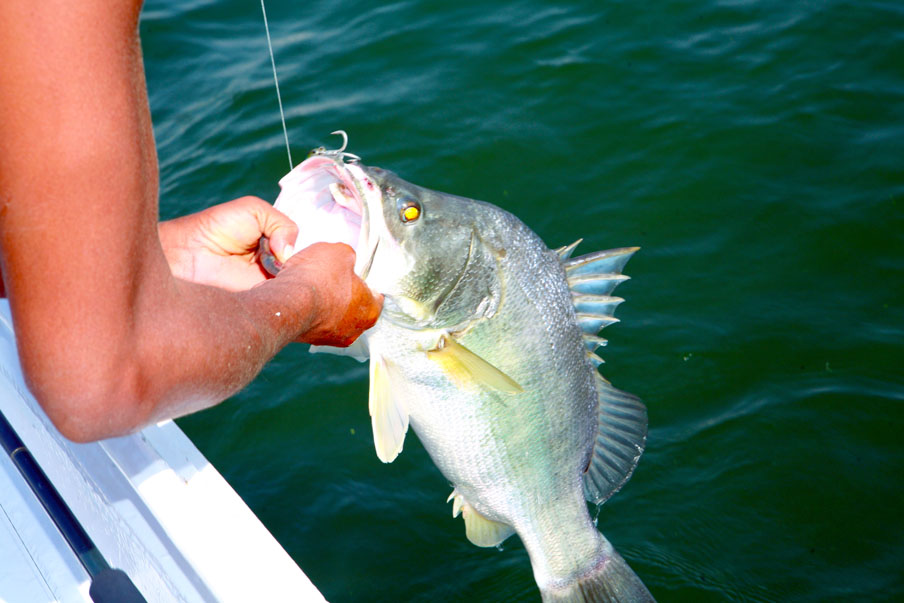
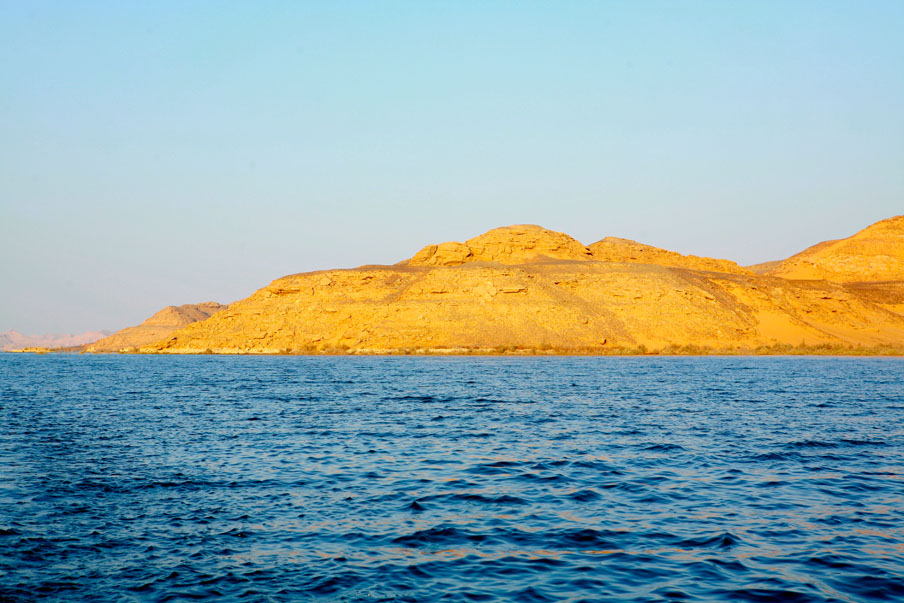
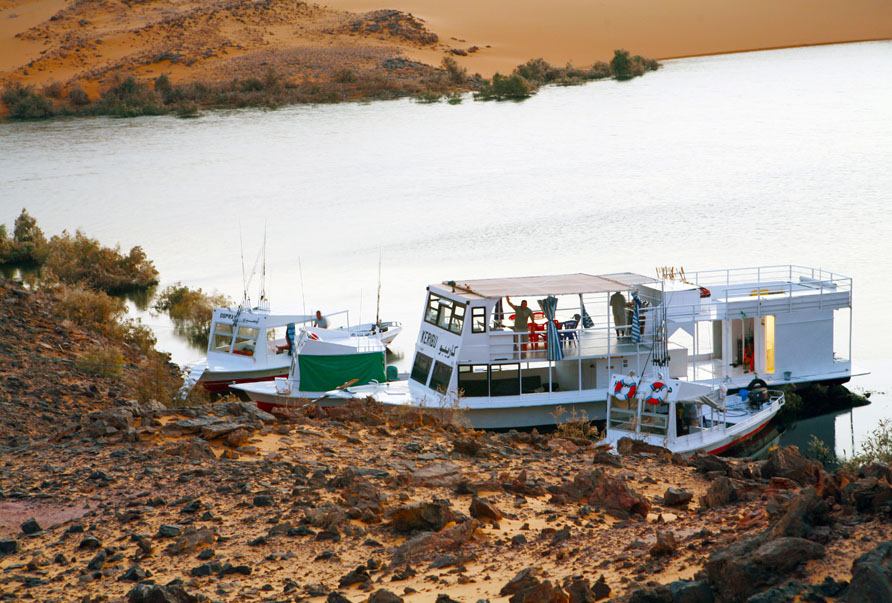
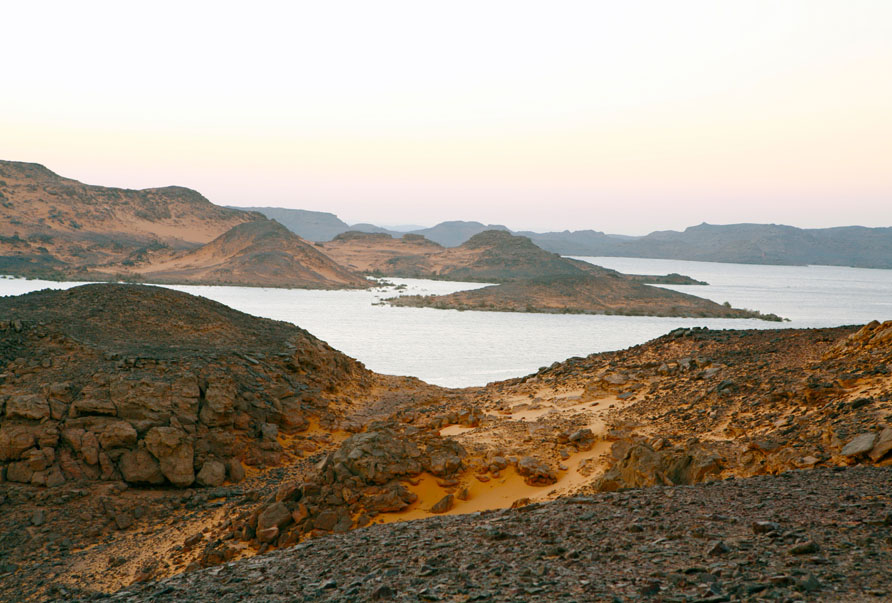
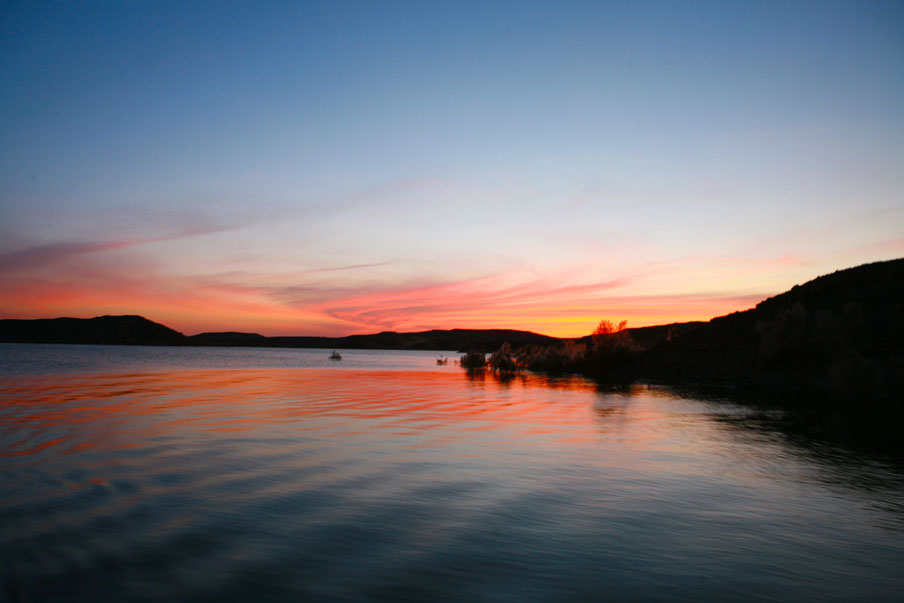
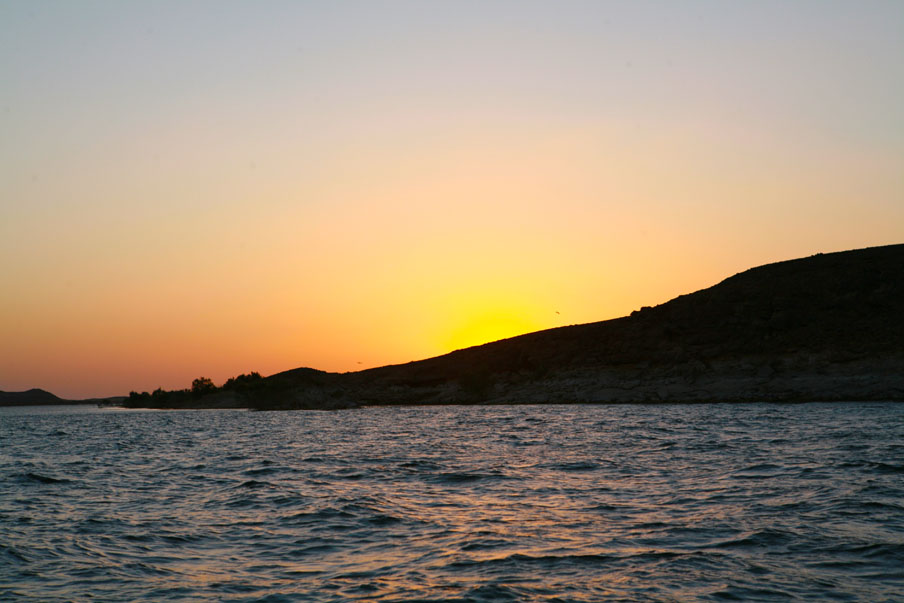
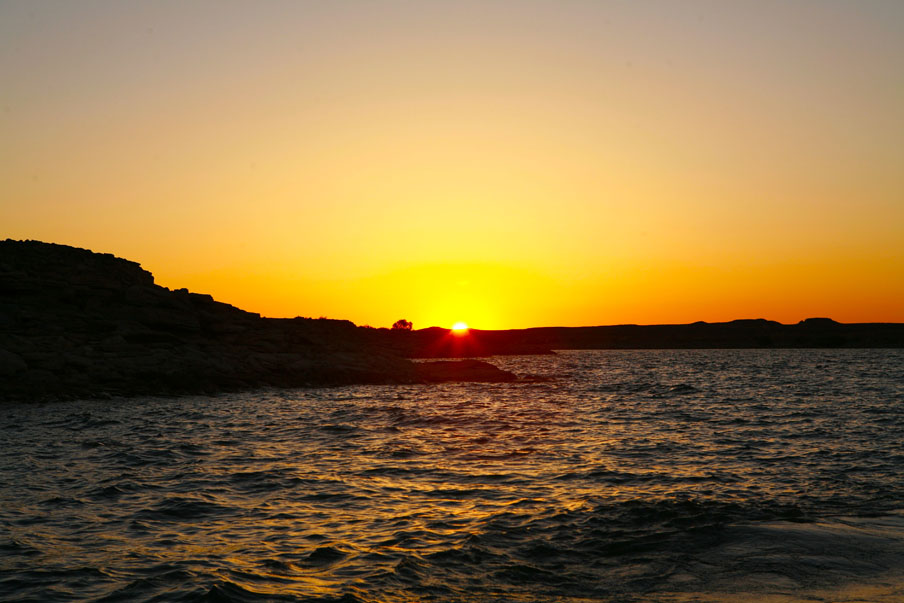
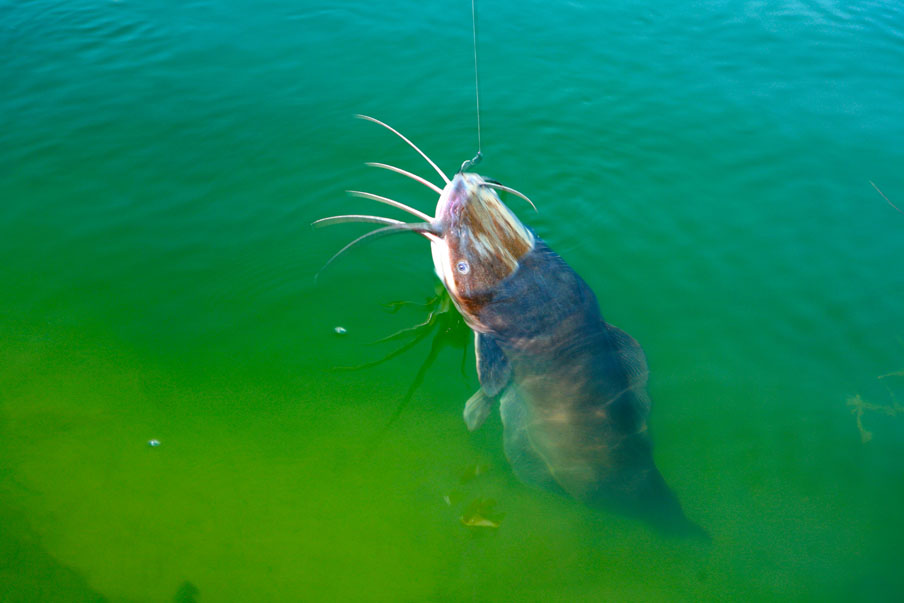
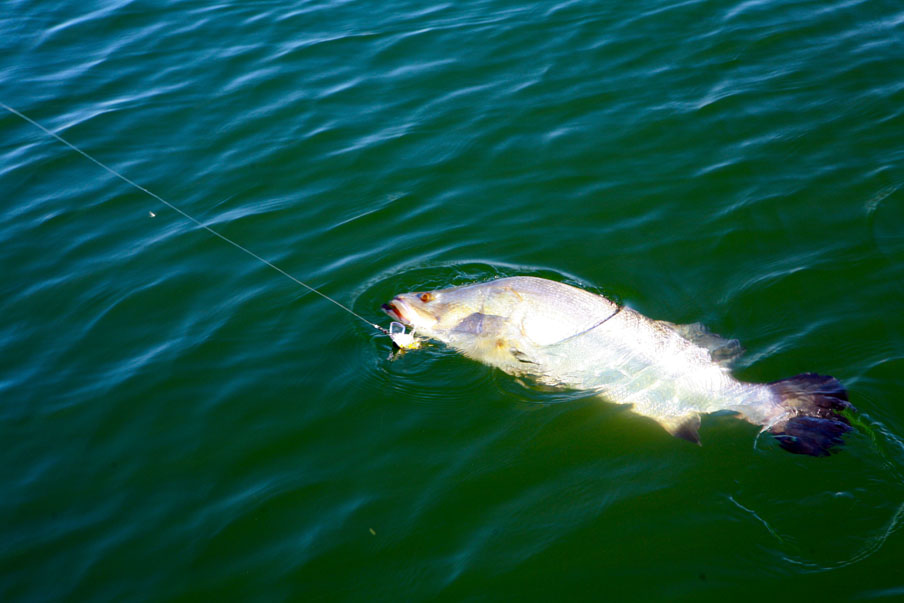
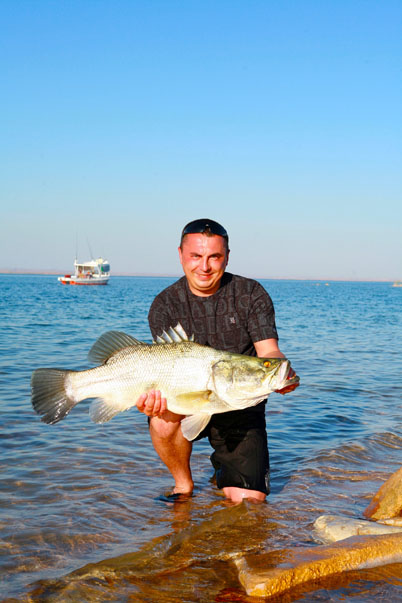
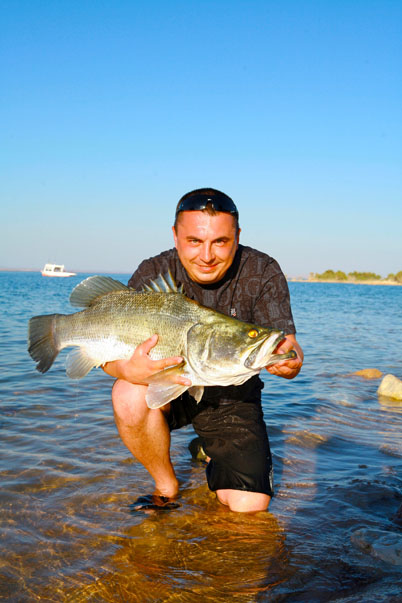
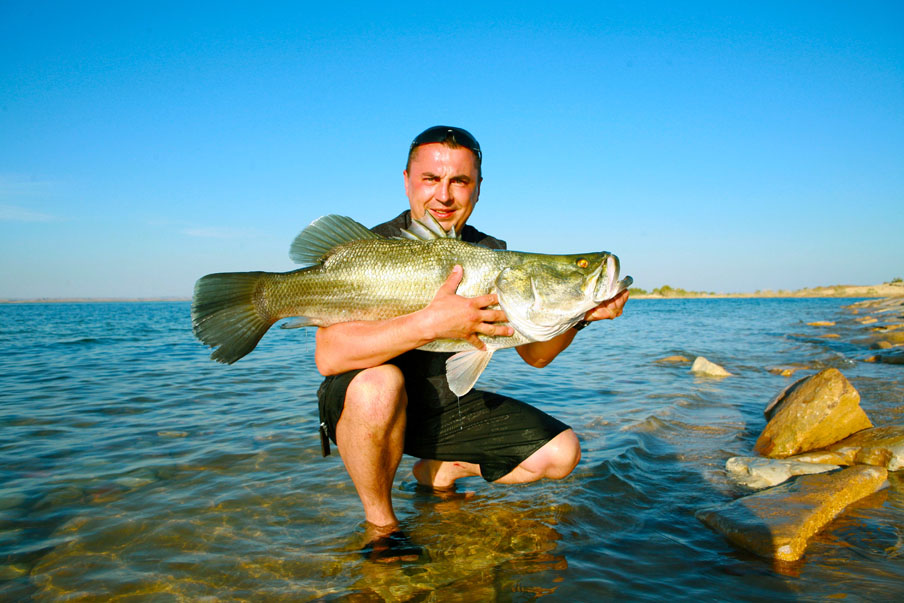
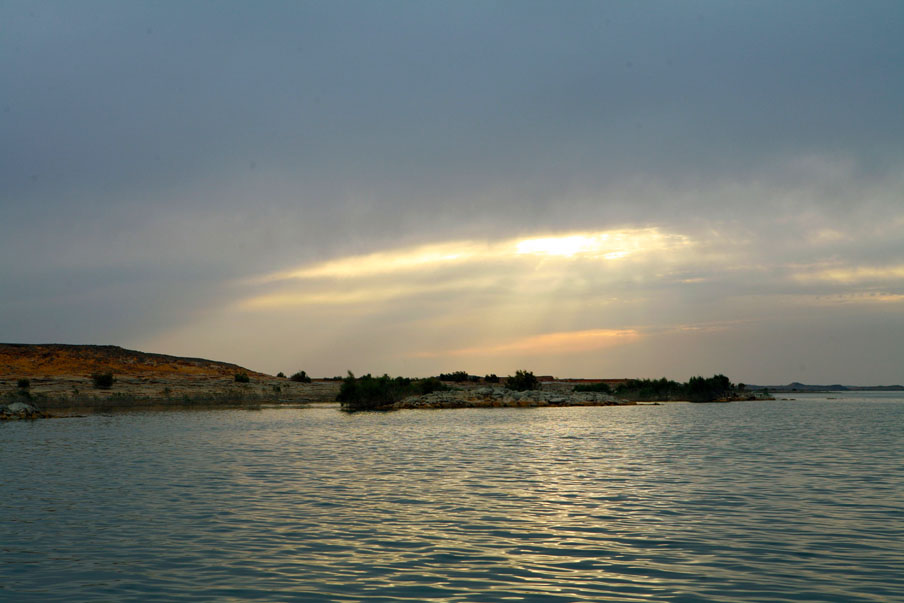
Lake Nasser (Aswan Reservoir, Africa, Egypt), which Yuriy visited during his expedition, was formed as a result of the construction of the Aswan Dam at the mouth of the Nile. The reservoir is one of the largest in the world, with an area of 5,120 square kilometers and a maximum depth of 130 meters. This lake plays a crucial role in Egypt’s economy and life, as it provides electricity and fresh water. Thirty-two species of fish have been identified in its waters, and it is also home to a significant population of Nile crocodiles. Lake Nasser is perhaps the best place to fish for Nile perch – this prime freshwater trophy fish in Egypt attracts anglers from the most remote corners of the planet. Nile perch reaches record sizes in Lake Nasser, with the official record being a perch weighing 176 kg (392 lbs). This fish has phenomenal strength and excellent fighting qualities, testing both you and your gear to the last, using powerful attacks and skillful attempts to break free from the hook.
The Nile perch is considered one of the largest representatives of the perch-like species of fish. It is not only a large fish but also a highly valuable one, known for its excellent taste. The population of Ancient Egypt used to catch this river giant and consume it as food. In ancient times, Egyptians called this underwater world inhabitant nothing less than the “Princess of the Nile.” Even today, several drawings can be found depicting ancient Egyptians carrying the river giant as a trophy after catching it in the Nile’s waters.
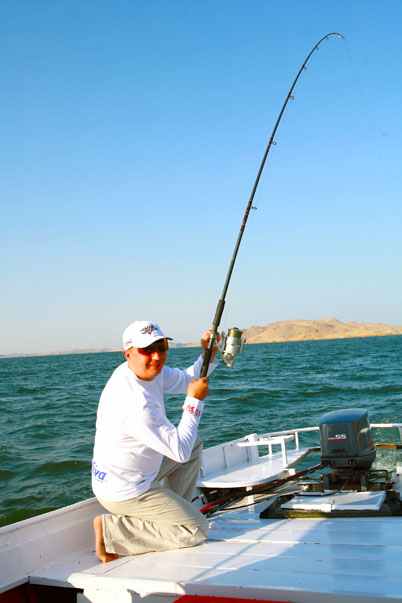
Yuriy Kostyantynovych notes that he will long remember the strong, powerful jerks of his opponent, combined with unpredictable and chaotic turns in different directions. The process of reeling it in is reminiscent of catching a trophy taimen or large salmon.