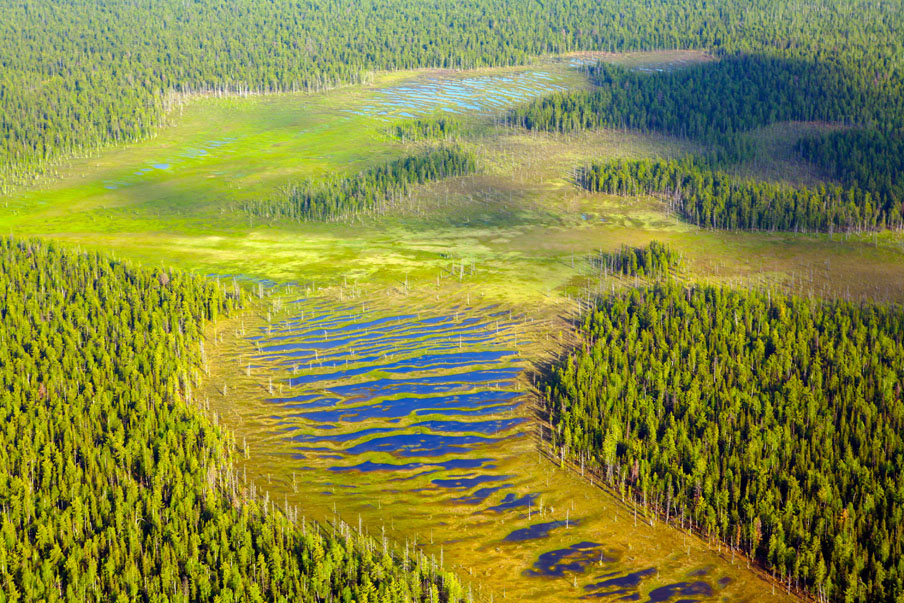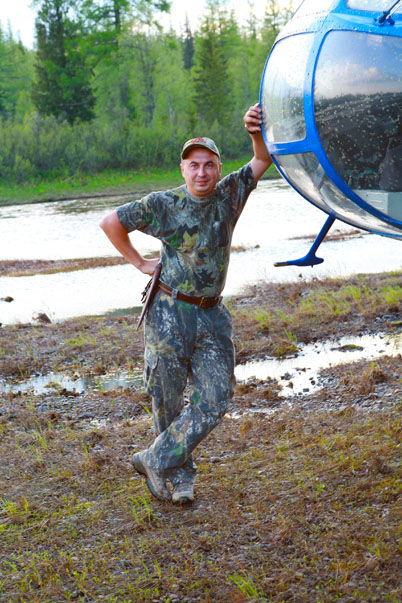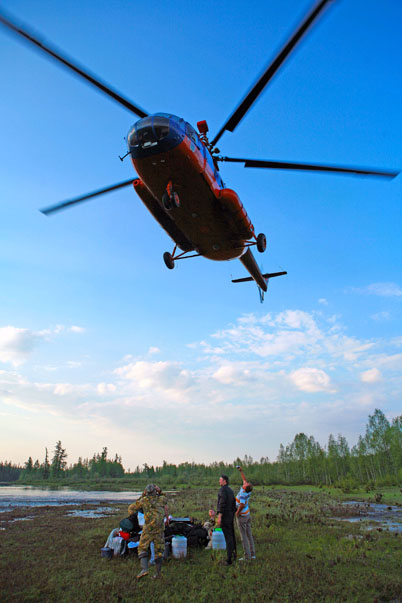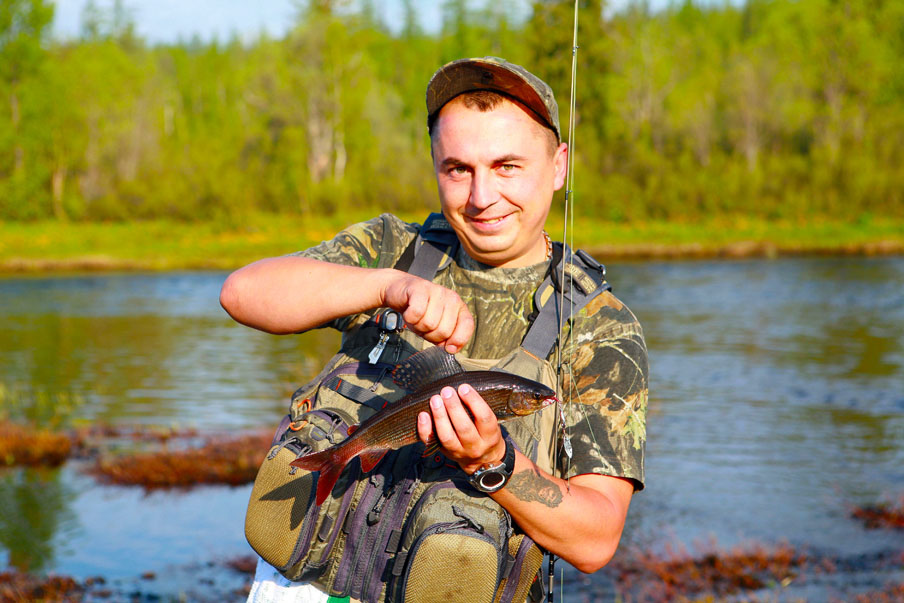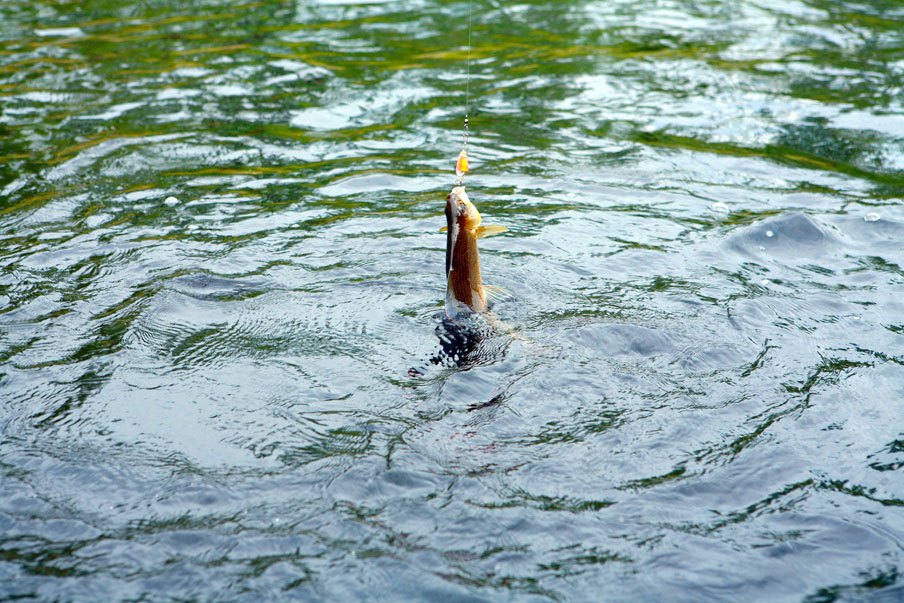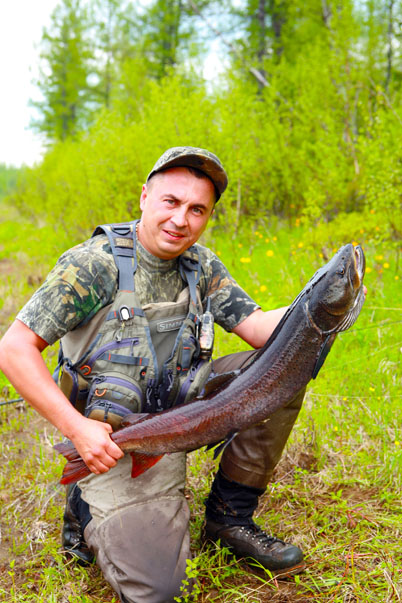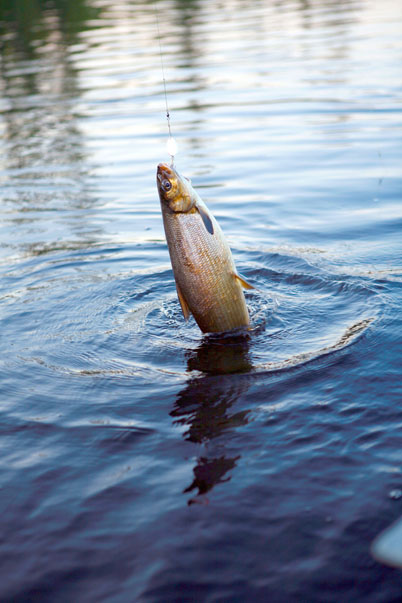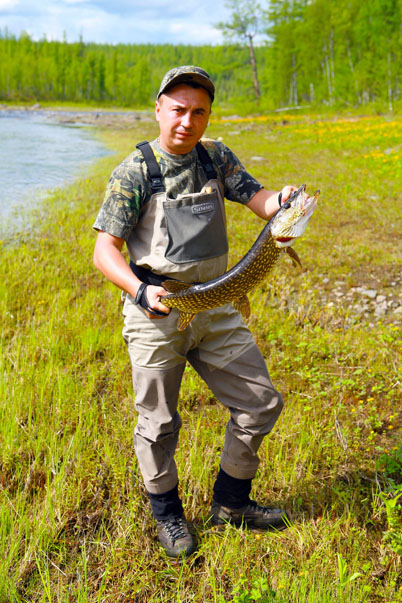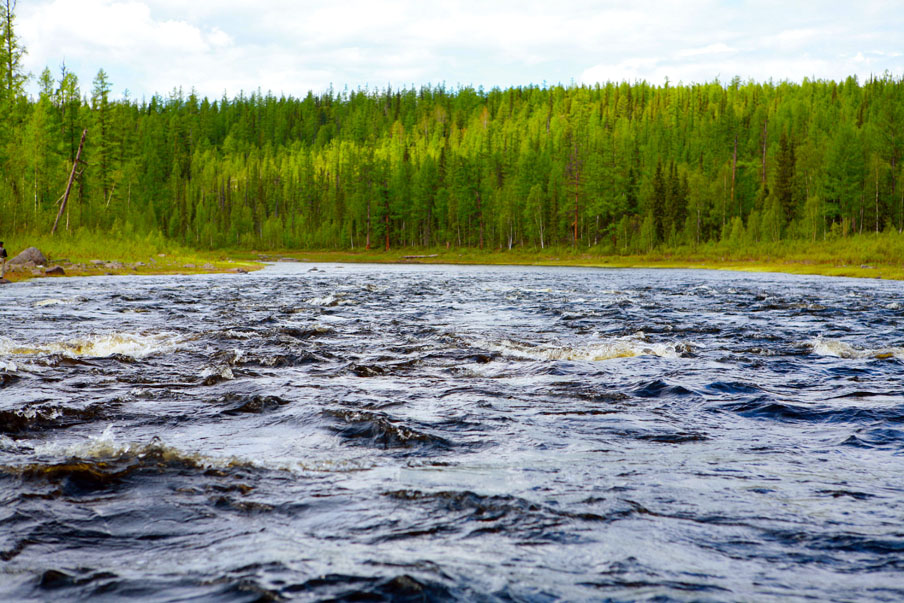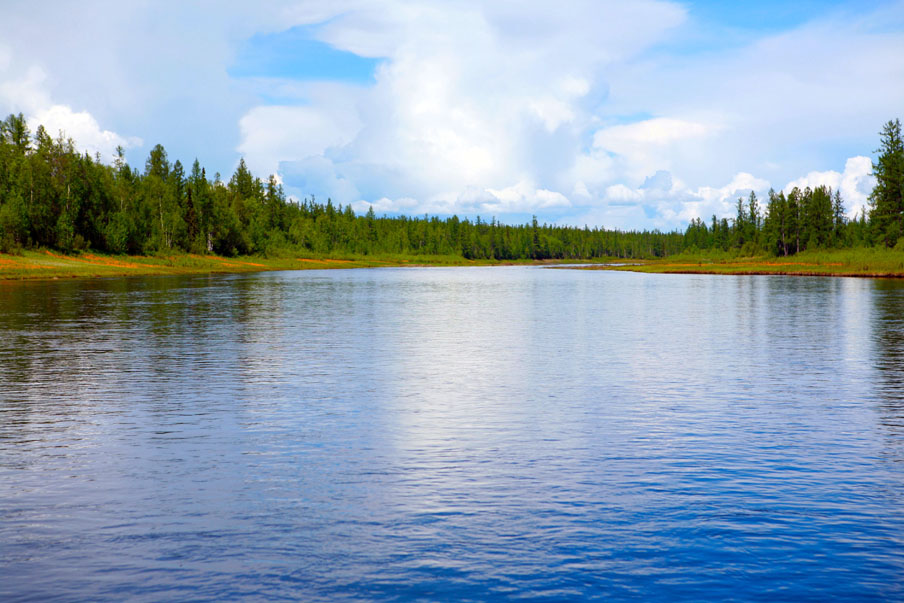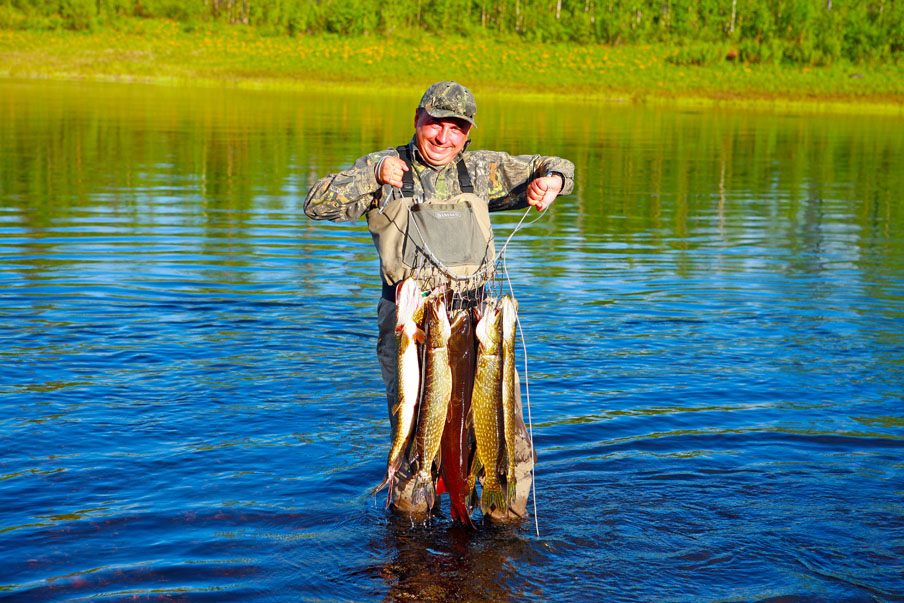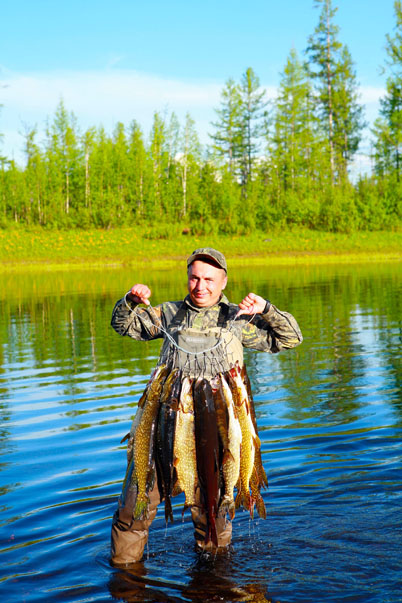

The opportunity to catch a large trophy taimen with a fly rod and spinning gear prompted Yuriy Kostyantynovych to embark on another expedition to the Krasnoyarsk Krai. The Evenki District is an administrative-territorial unit with special status and a municipal formation in the northeastern part of Krasnoyarsk Krai, Russia. The administrative center is the village of Tura. The average annual temperature ranges from -5°C to -15°C. The district is located in an area with a sharply continental climate. Winter lasts about 8 months of the year, and from December to February, temperatures can drop below -60°C. Transitional periods are weakly defined: spring begins in the second half of June, characterized by rapid snowmelt; autumn is from the second half of August to the second half of September, when a stable snow cover appears. Summer in the Evenki District is short, from late June to mid-August, and during this time the weather can vary from frost to heat, with temperatures occasionally exceeding +40°C. Permafrost is widespread in the district, except for the left bank of the Podkamennaya Tunguska River.
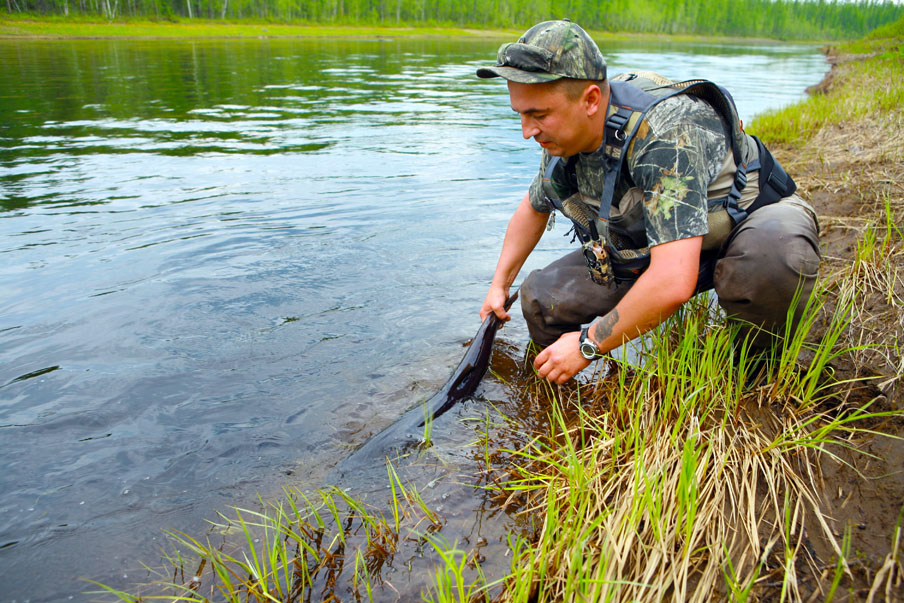
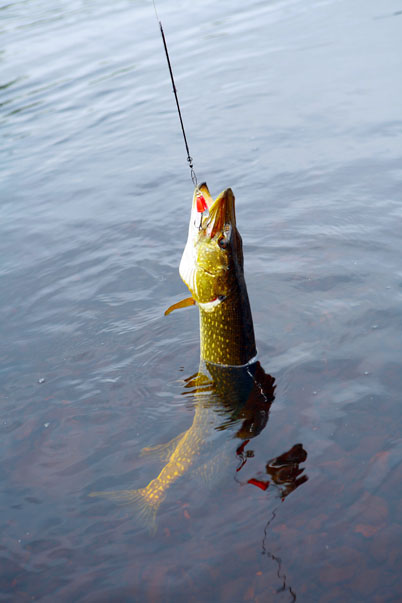
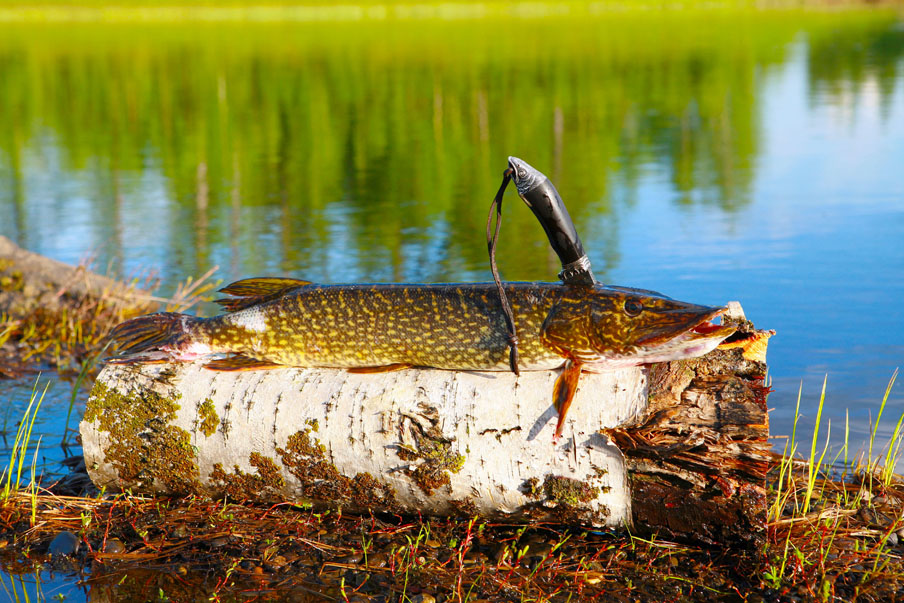
In the Evenki District, there is a variety of fish in the waters. Most notably for anglers, the trophy taimen is highly valued. Additionally, excellent catches of whitefish, grayling, and brook trout can be found here. Pike and perch are also commonly encountered. Due to the absence of local populations, there is an abundance of fish in these parts. This is why the region has gained a reputation as a prime fishing destination. Special attention should be given to the Goldaikta River (a tributary of the Bakhta River). Of course, the main goal for all anglers, including Yuriy Kostyantynovych, is the taimen. This fish is considered the jewel of Evenki fishing. Locals refer to this type of fish as the “grandfather” of the rivers. The fish can reach record sizes, which is precisely why one travels to these lands. The largest taimen caught in Evenkiya measured 1.5 meters in length. However, according to the anglers themselves, larger fish have been caught, but the monsters broke the most powerful tackle. Taimen are usually caught under the “catch-and-release” rule because this fish is very rare, and in some countries, such as Mongolia, it is listed in the Red Book. This fish, belonging to the salmon family, is indeed a marvel of Siberian rivers. Externally, the taimen is a muscular fish with a broad forehead, displaying all northern shades: sky blue, brown like rocks, shining like snow. Its dark brown back and gray sides, white belly with golden specks, and magnificent tail – gray with yellow spots, smoky, gradually transitioning to a reddish hue with orange edging and colorful stripes – create its appearance.
Throughout the year, the taimen inhabits freshwater rivers and only ascends to the upper reaches during spawning, after which it returns. These fish do not favor warm water. Their preferred habitat is shaded pools along the shore. According to anglers, the sounds heard from a taimen during feeding resemble a growl. They can be heard from several meters away. The main diet of the taimen includes burbot, frogs, grayling, mice, and smaller taimen. Adult fish can even swallow ducks and squirrels crossing rivers. During the spring flood period, they indulge in ermine. Anglers have even witnessed taimen leaping onto the shore after grouse and partridges that were on the riverbank. As Yuriy has repeatedly emphasized, the taimen is a true fighter, and the process of catching it is tumultuous and emotional, keeping the angler in a state similar to a coiled spring. Catching a taimen with a fly rod is a true art, and enticing a trophy specimen is within the reach only of a true master of the craft!