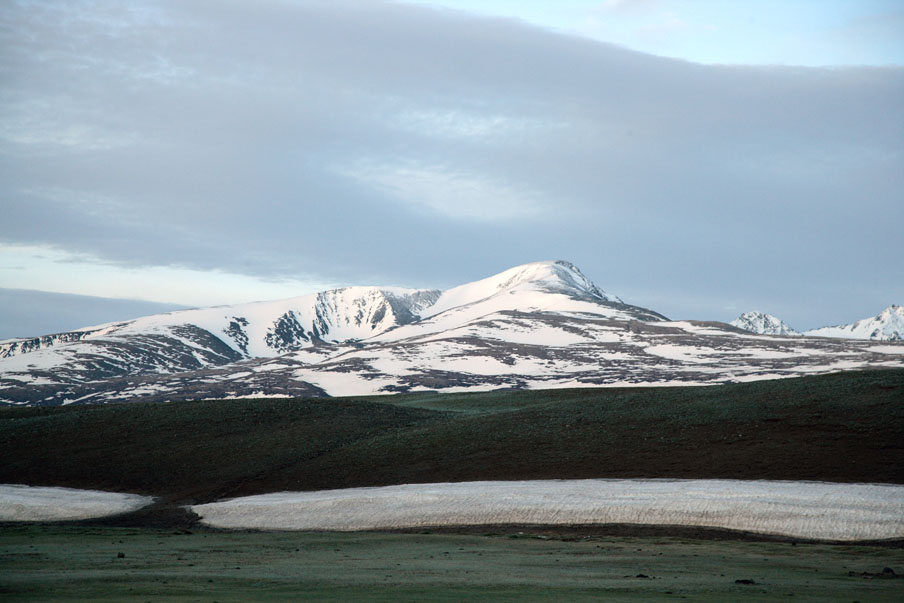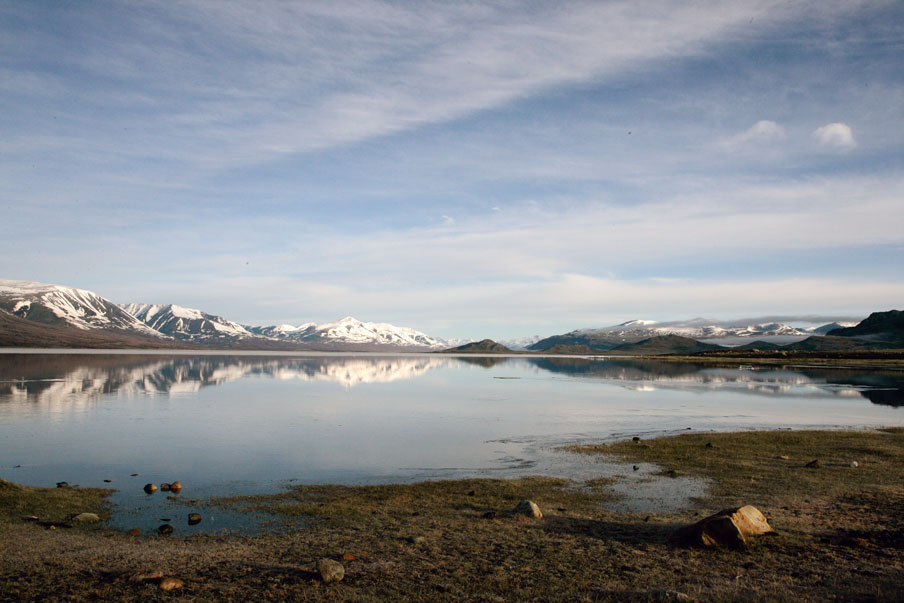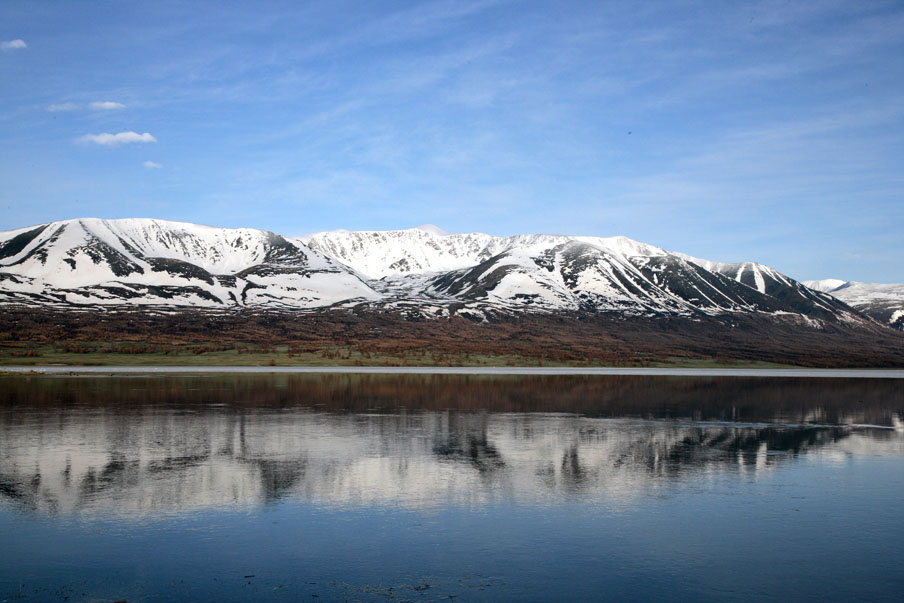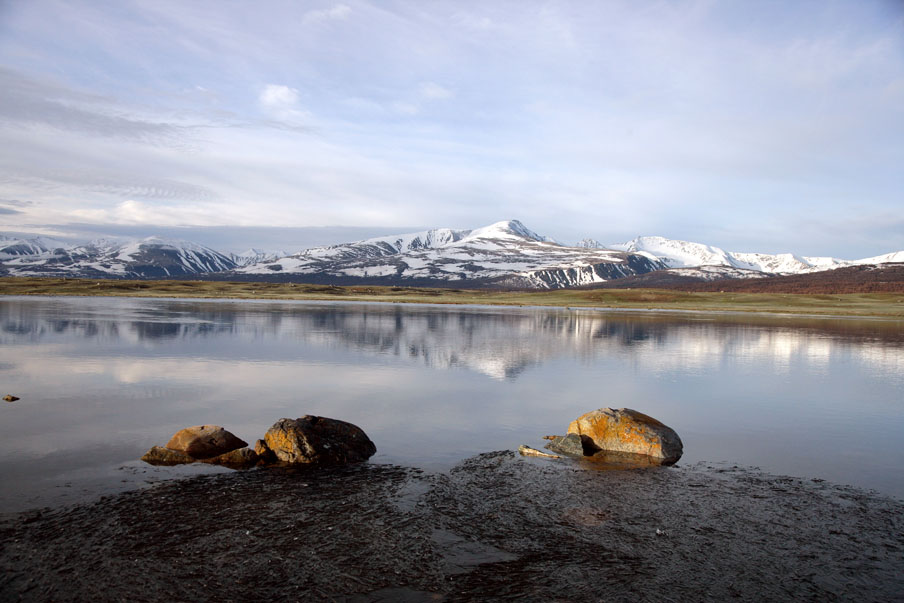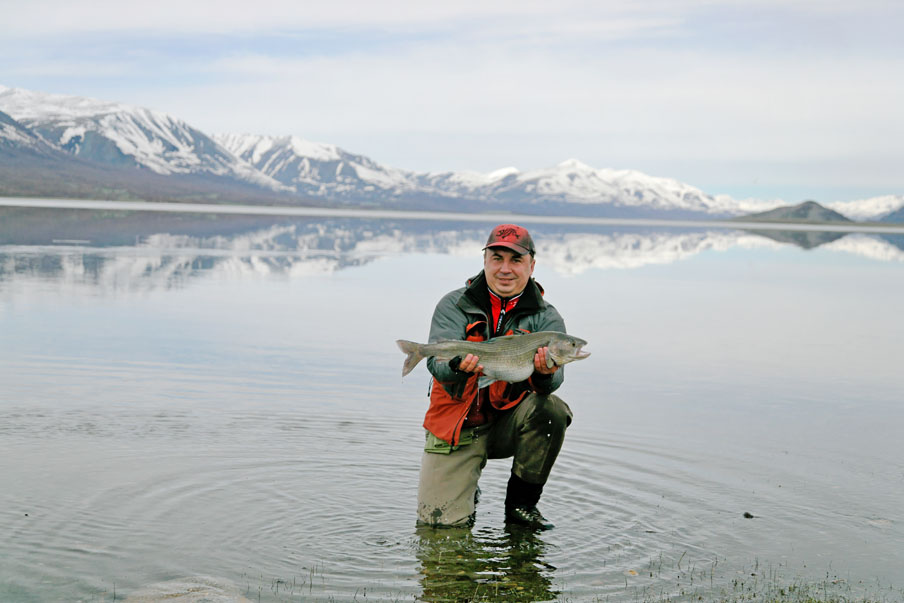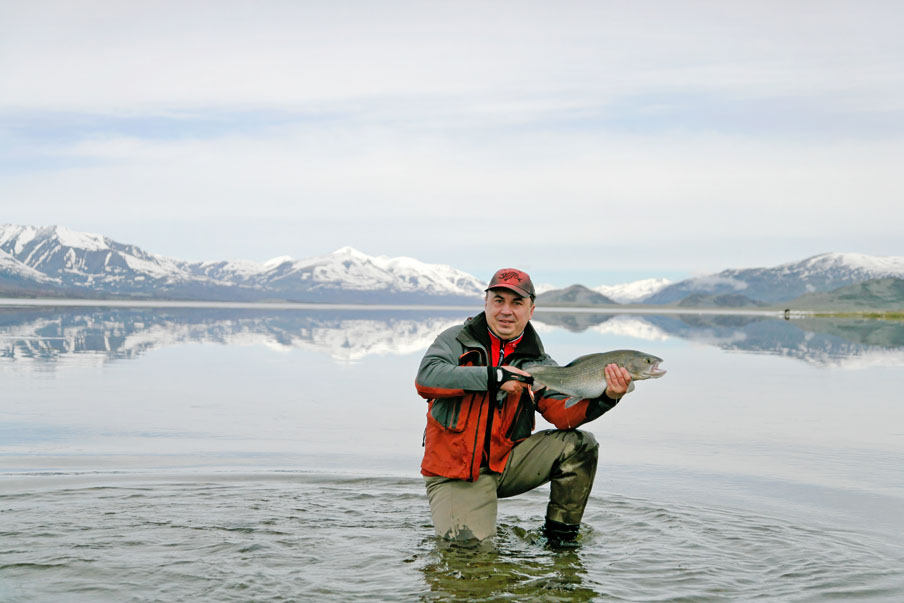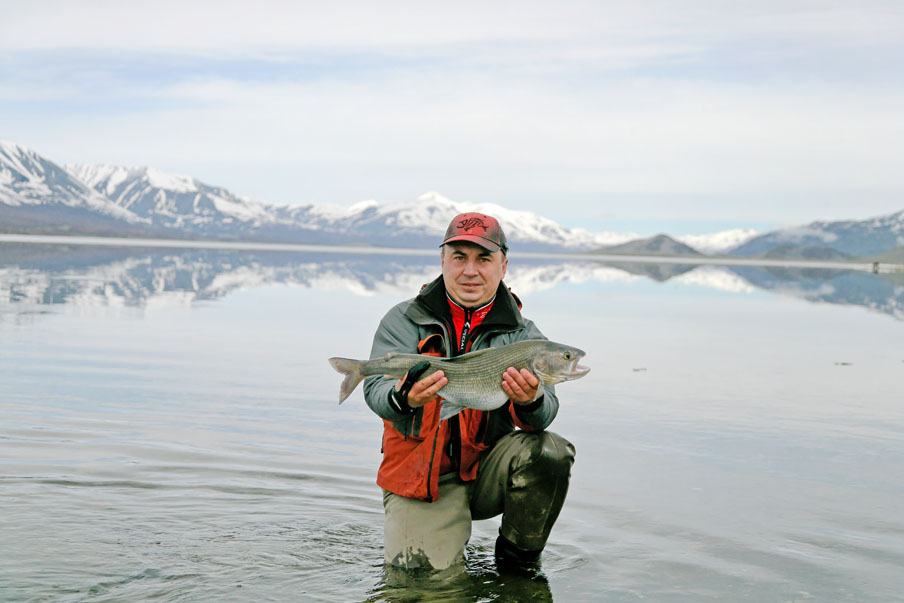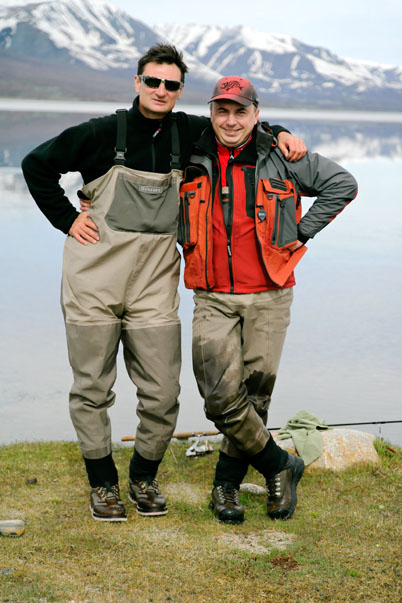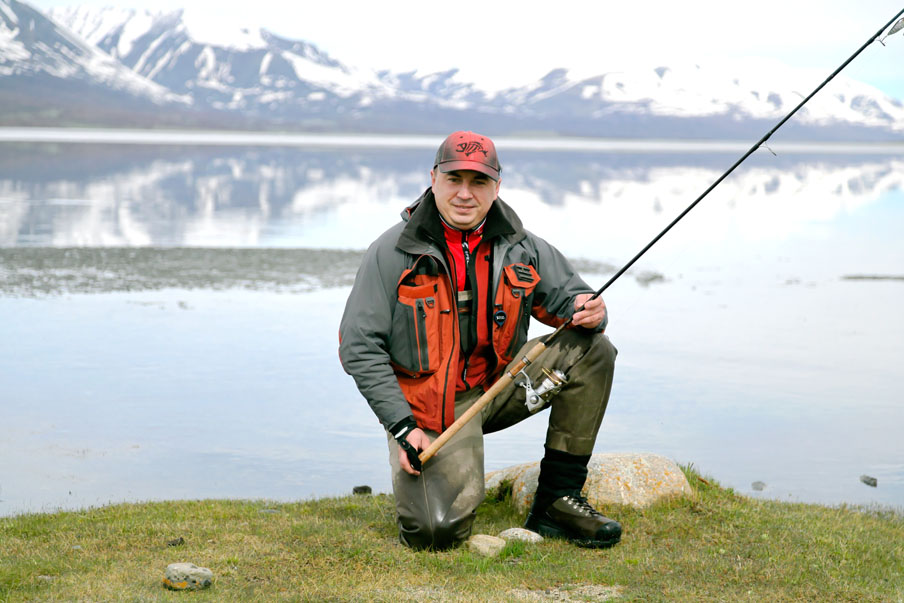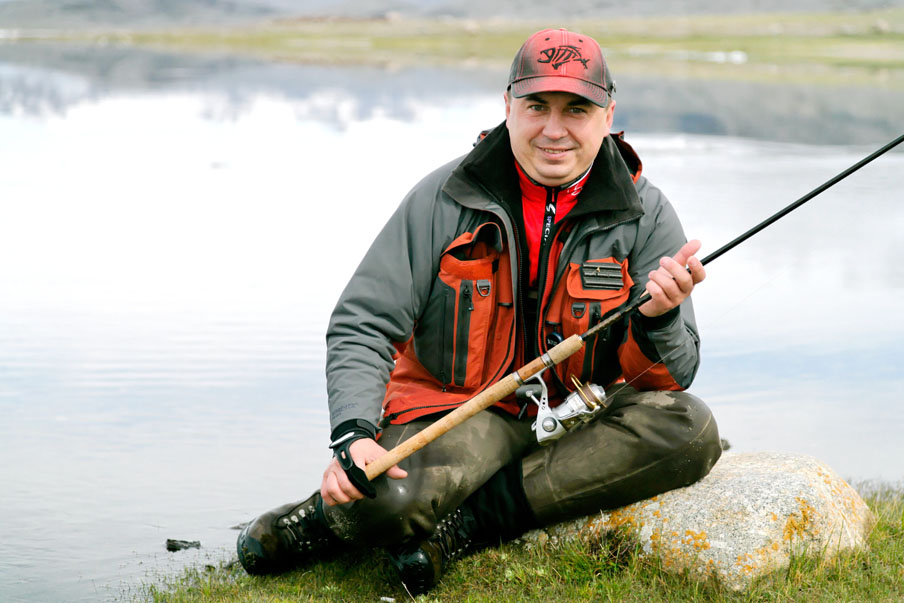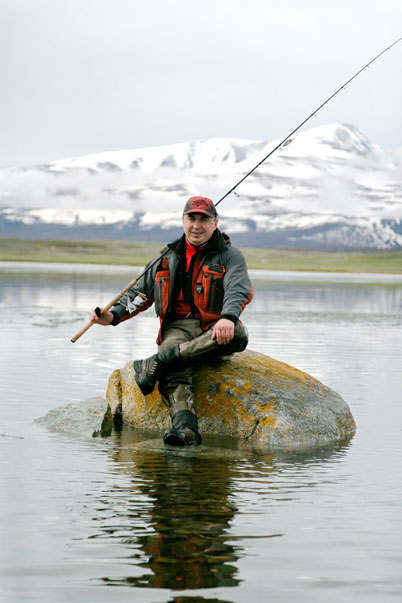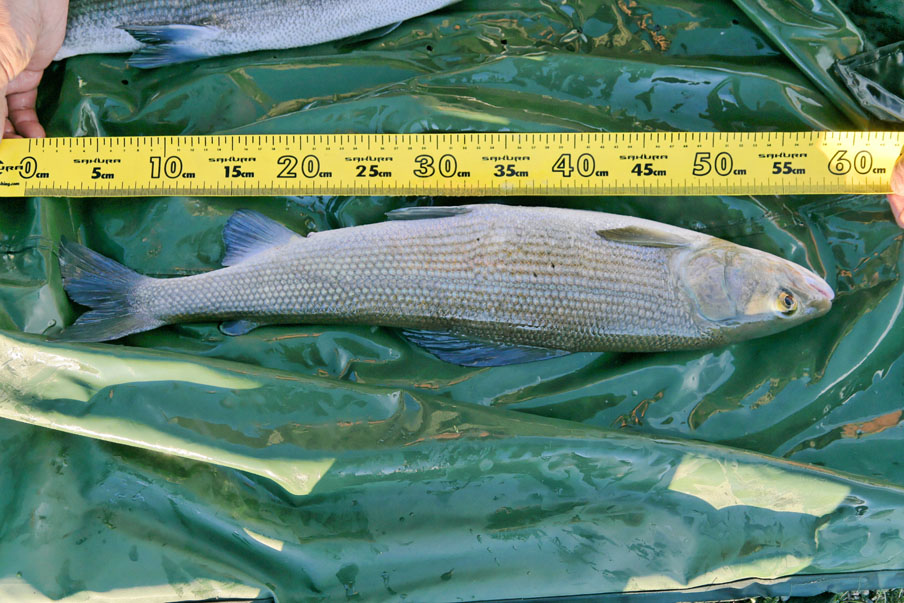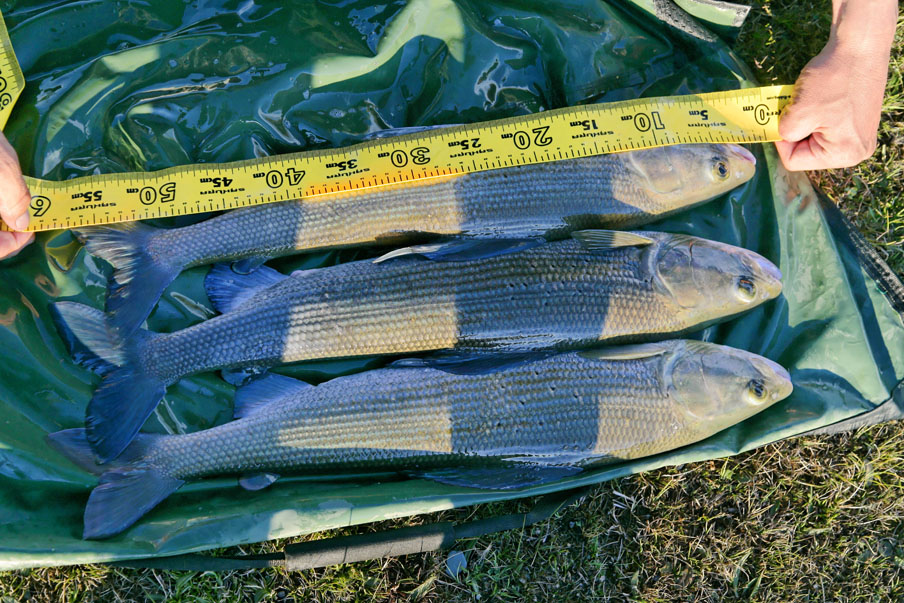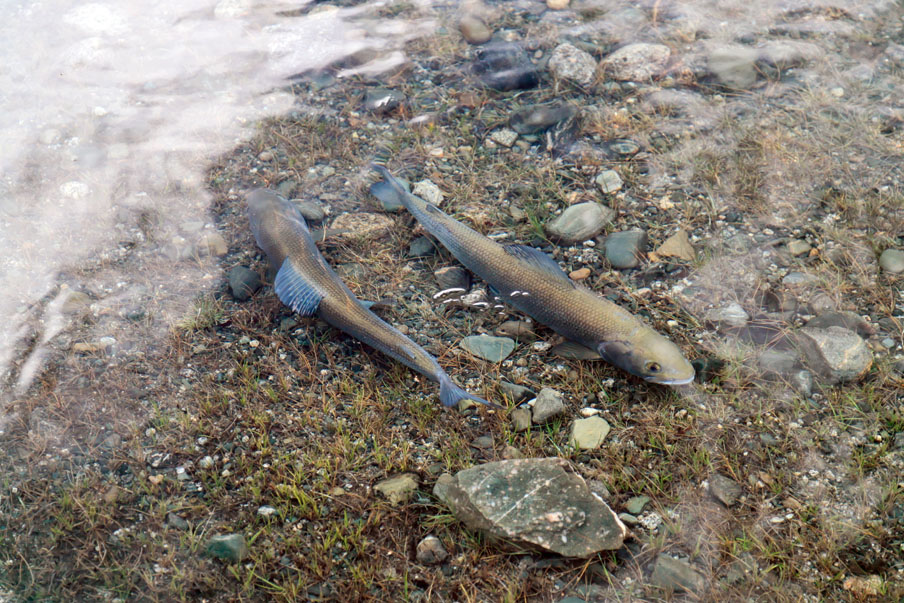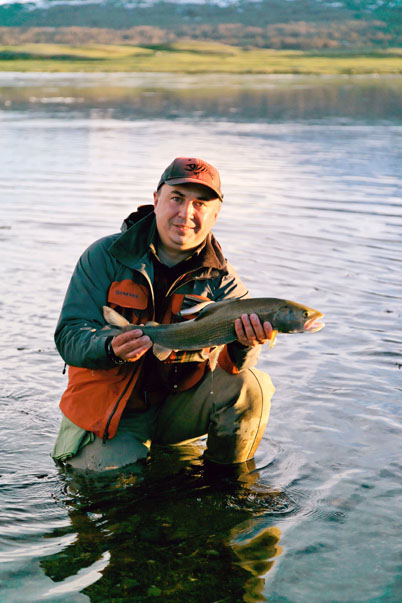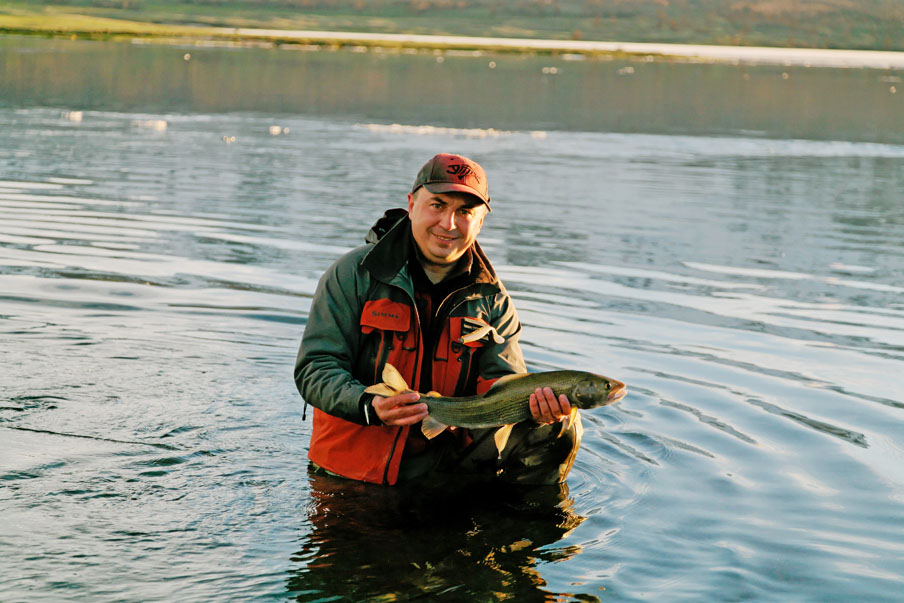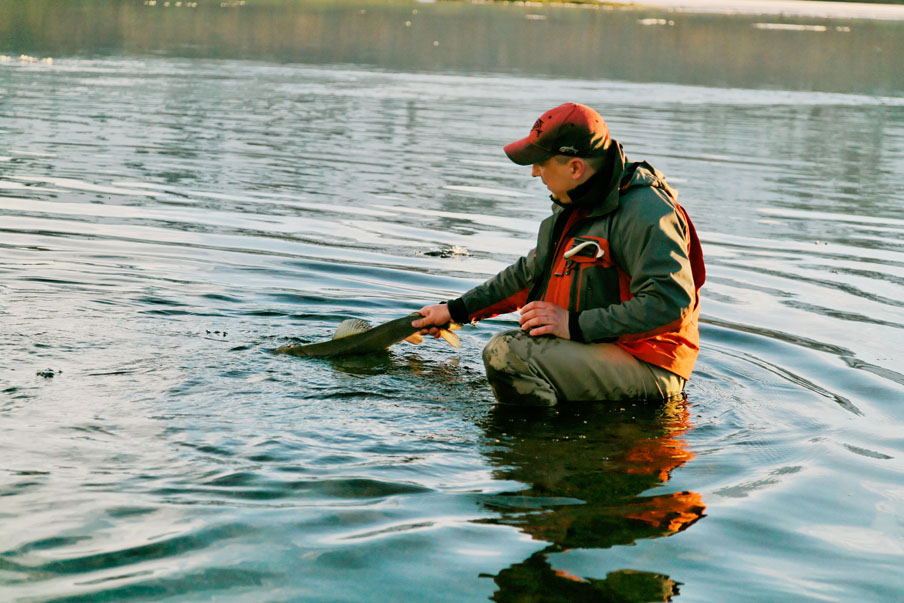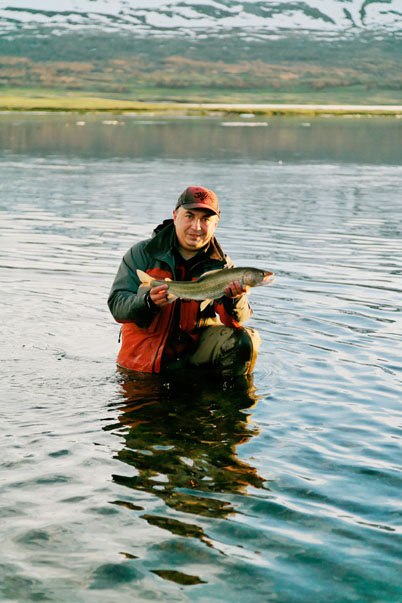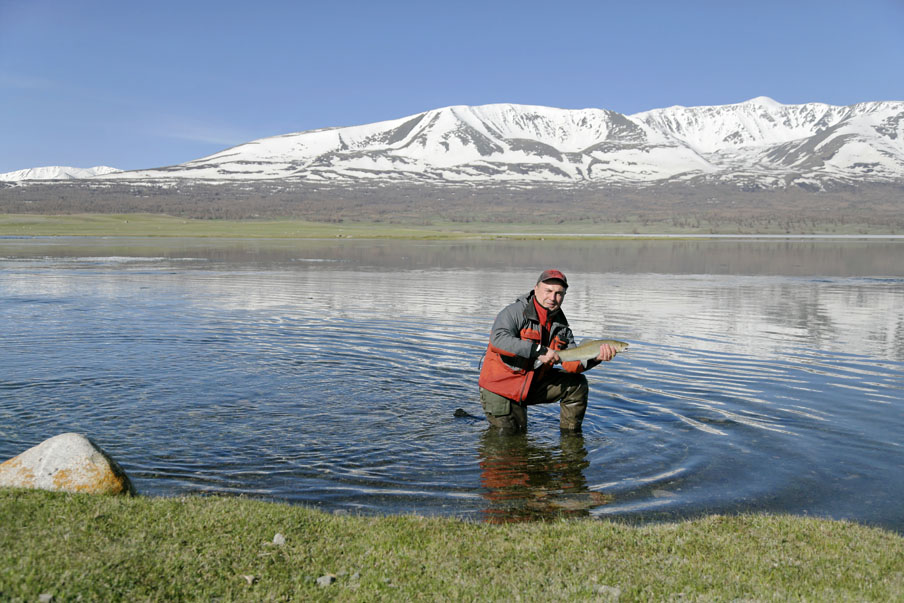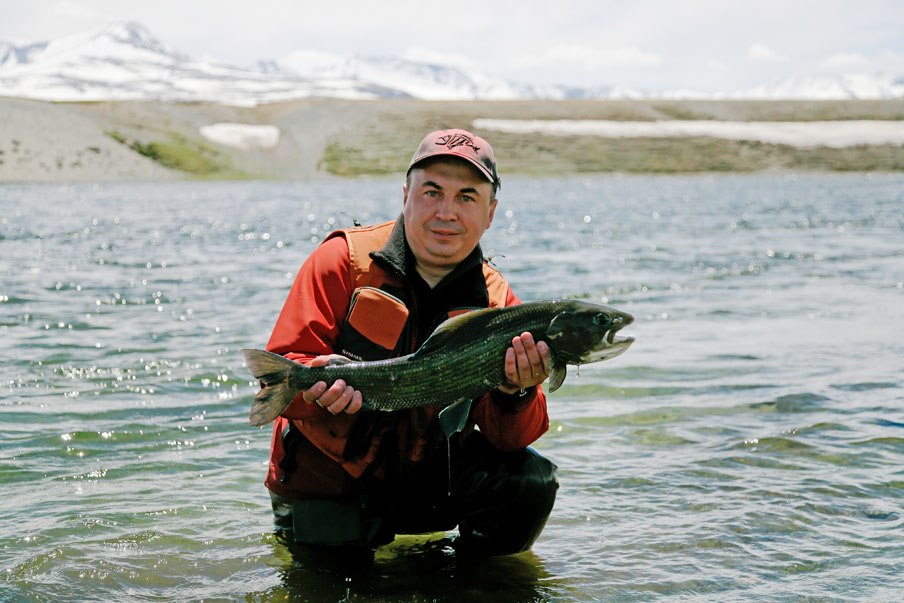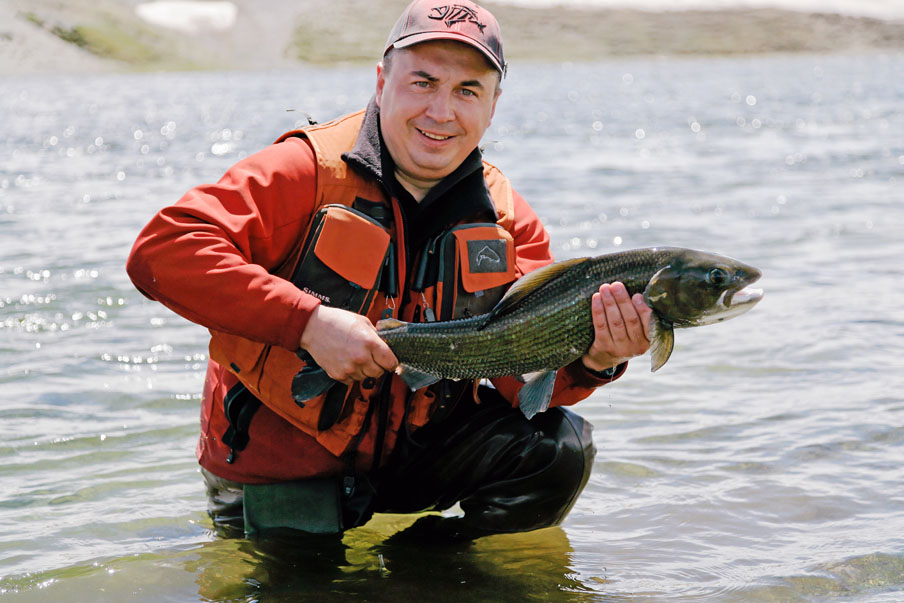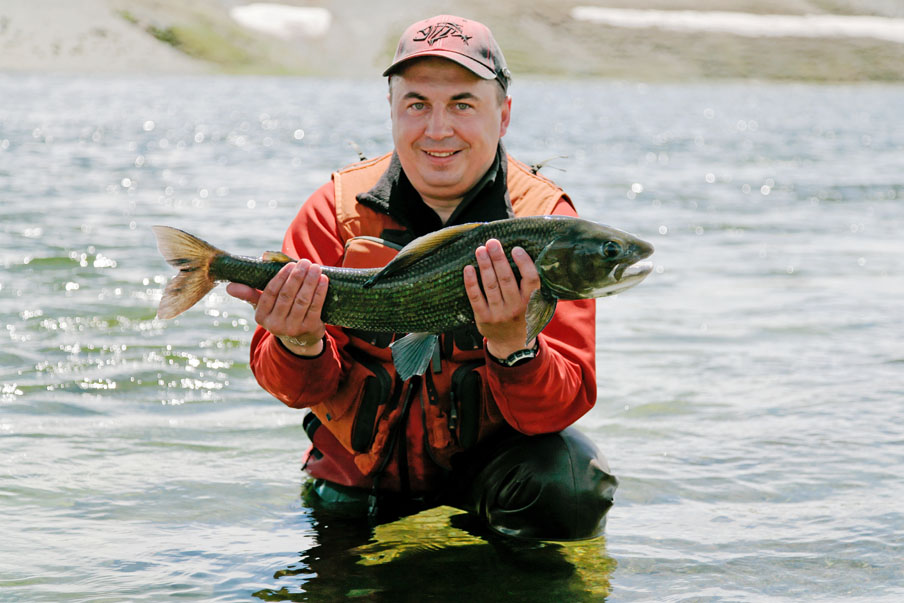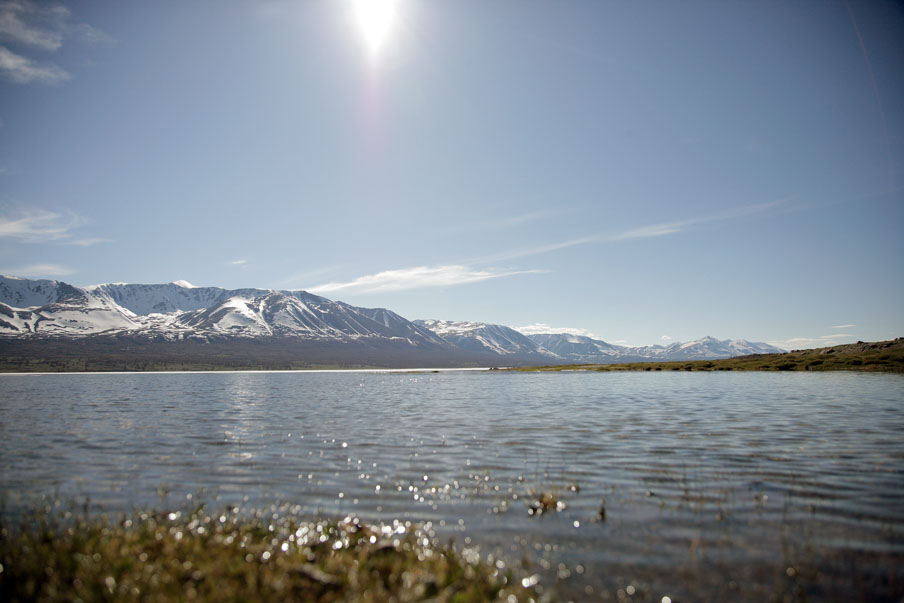

Traveler, admirer of beautiful nature, flora, and fauna, and sport fisherman Yuriy Kostyantynovych Dyachenko always fondly remembers his expedition to Mongolia, whose goal was to catch the taimen.
Mongolia is a country in East Asia, bordered by Russia to the north and China to the south. Mongolia is one of the landlocked countries. Few places in the world are as wild and untouched, with numerous large and small rivers and lakes, as this country of beautiful natural landscapes. Here, you can find remote, uninhabited places where encountering a human is a rare event. The animal and plant worlds are incredibly rich and diverse, and the waters are teeming with fish. Believe me, fishermen can expect exceptional luck here!
Fishermen from around the world come to Mongolia. There are almost no places left on the planet where you can battle the “river wolf” (taimen). The uniqueness of Mongolia’s fish stocks lies not only in the abundance of fish but also in the diversity of species: whitefish, salmon, sturgeon. The rivers and lakes of Mongolia are home to many European fish species as well as fish from Siberia, Transbaikalia, and the Far East.
The rivers of Mongolia are abundantly populated with Asian trout, also known as lenok, which is the most ancient of the existing trout species, Siberian grayling, and the Darhad whitefish (sig), as well as burbot, perch, and pike. In most Mongolian waters, you can reliably expect a good catch. The fishing season is from June to September, with the best period being from August 10 to September 15. During this time, fish activity increases, and the weather is pleasant (not too hot but not yet too cold). Fishing from April 1 to June 15 in Mongolia is strictly prohibited. The additional appeal for fishermen is Mongolia’s exoticism: the untouched nature and the incredible cleanliness of the rivers and lakes.
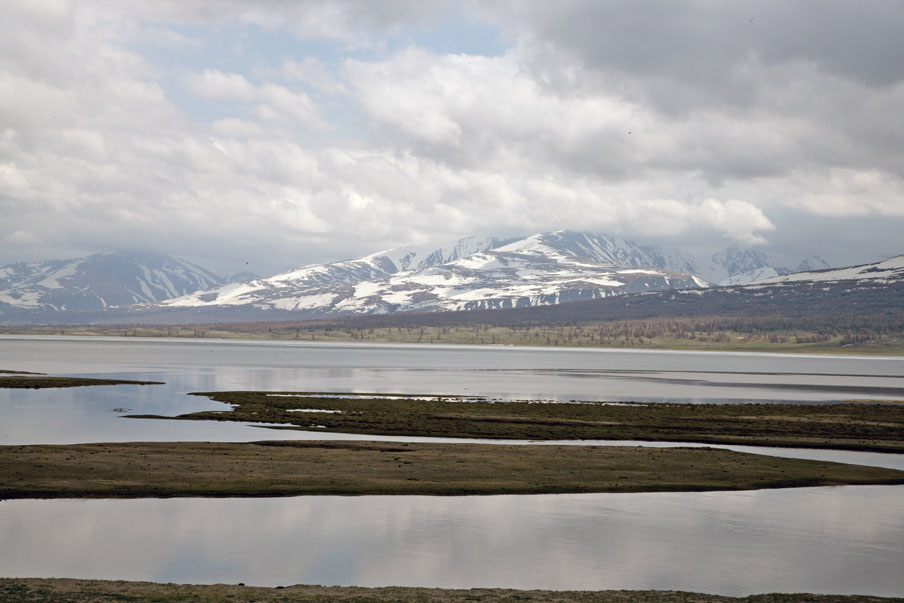
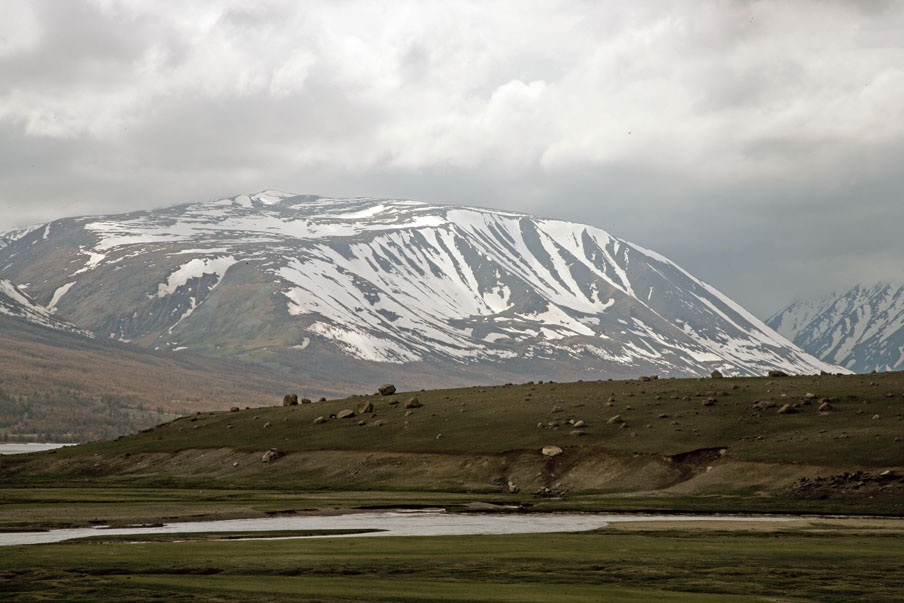
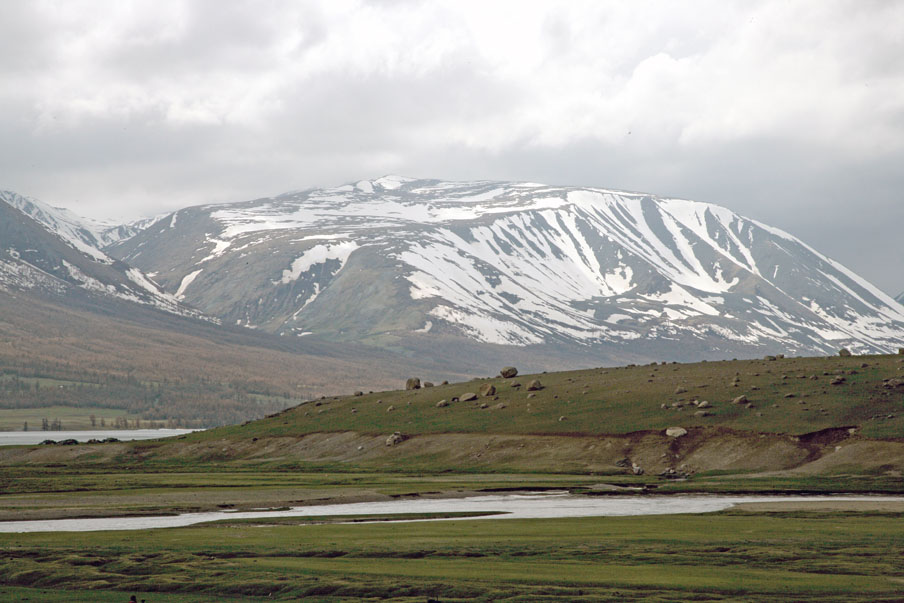
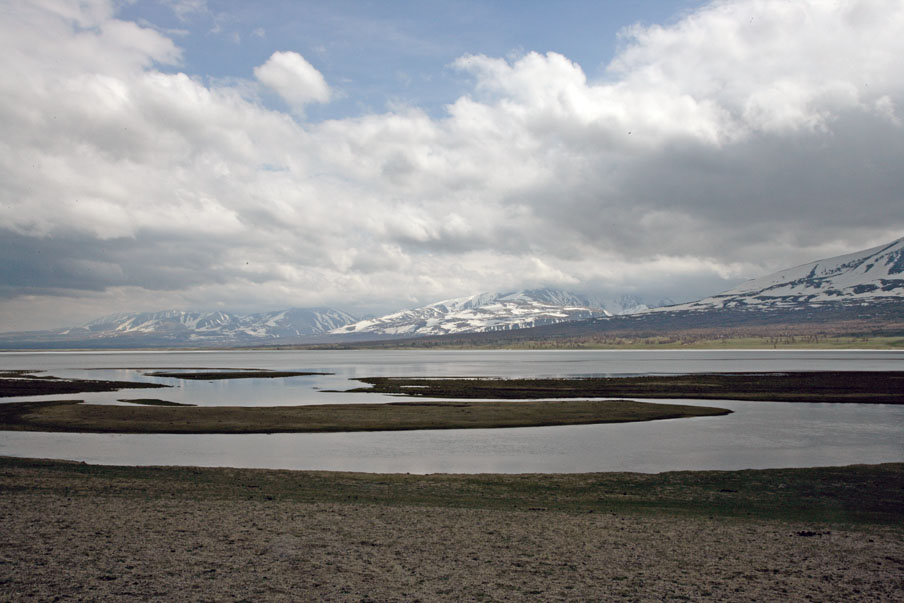
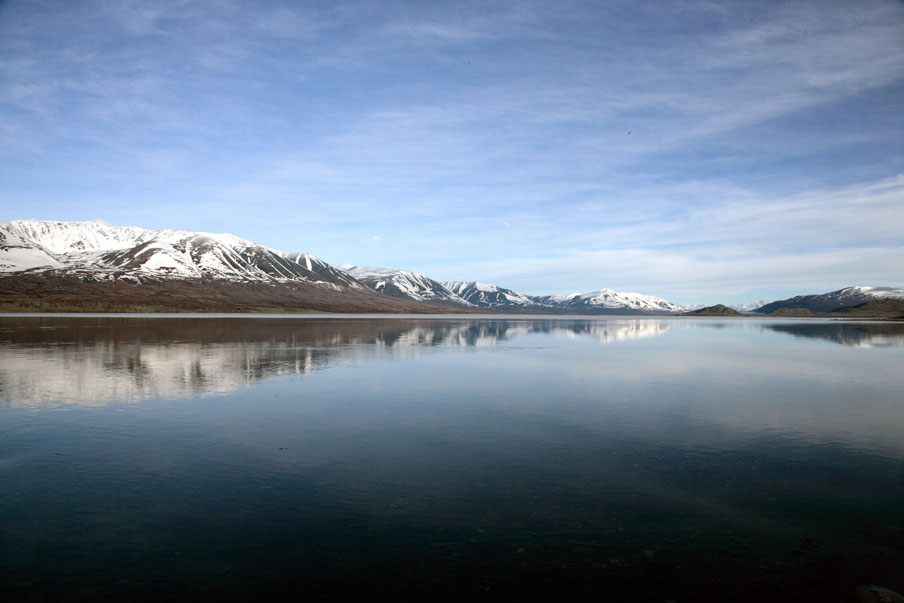
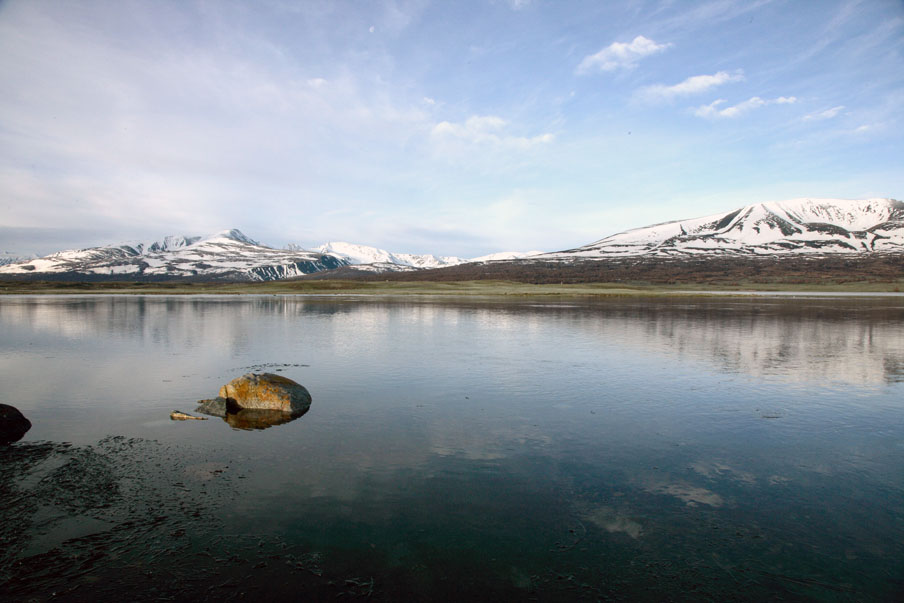
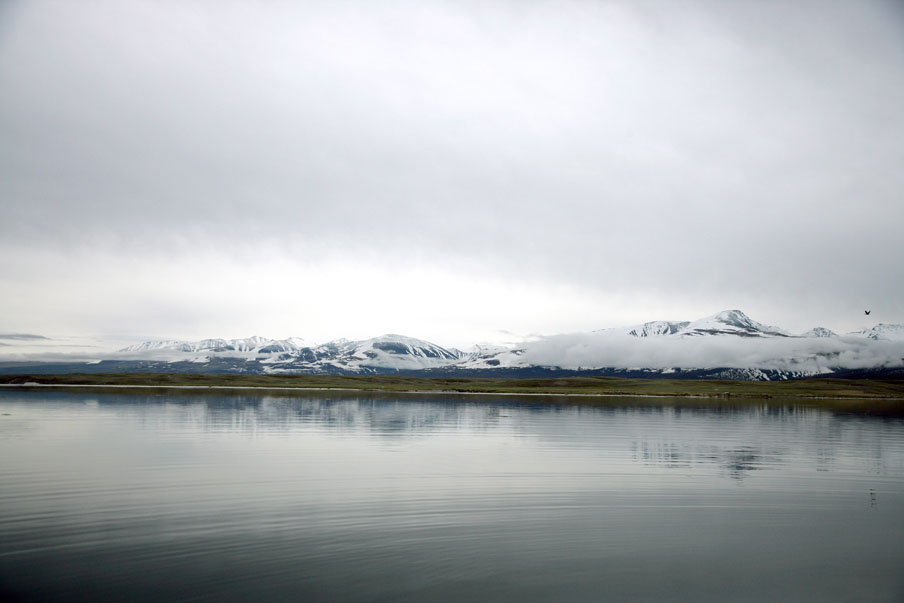
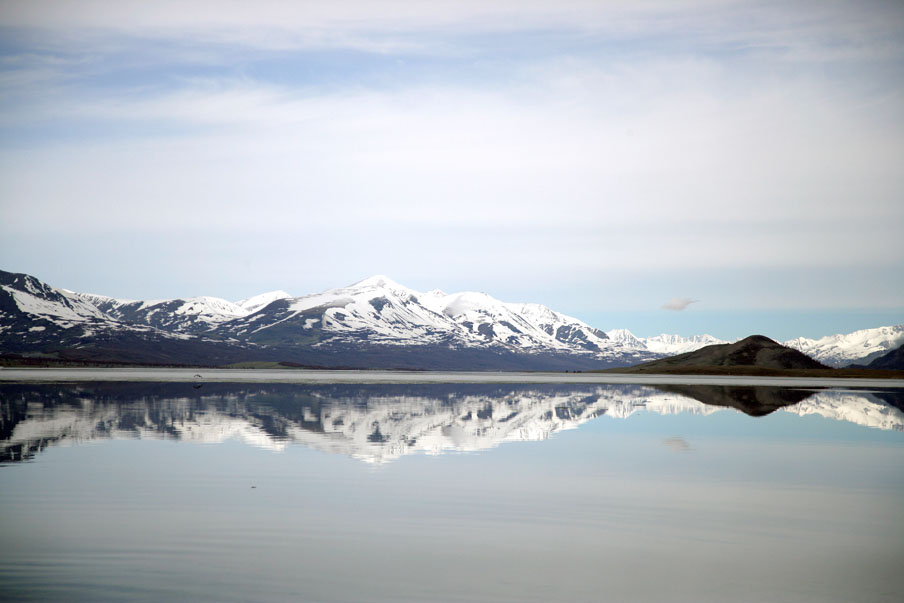
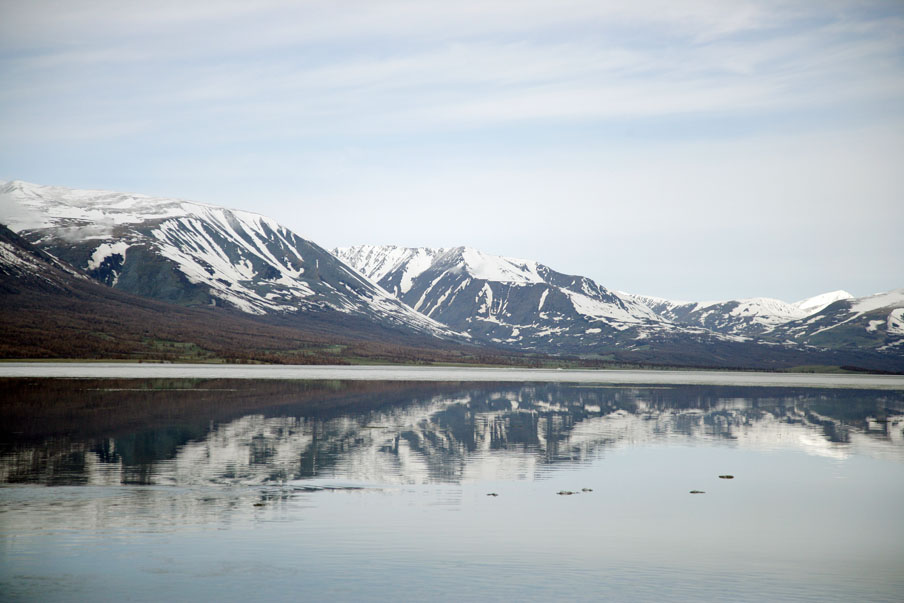
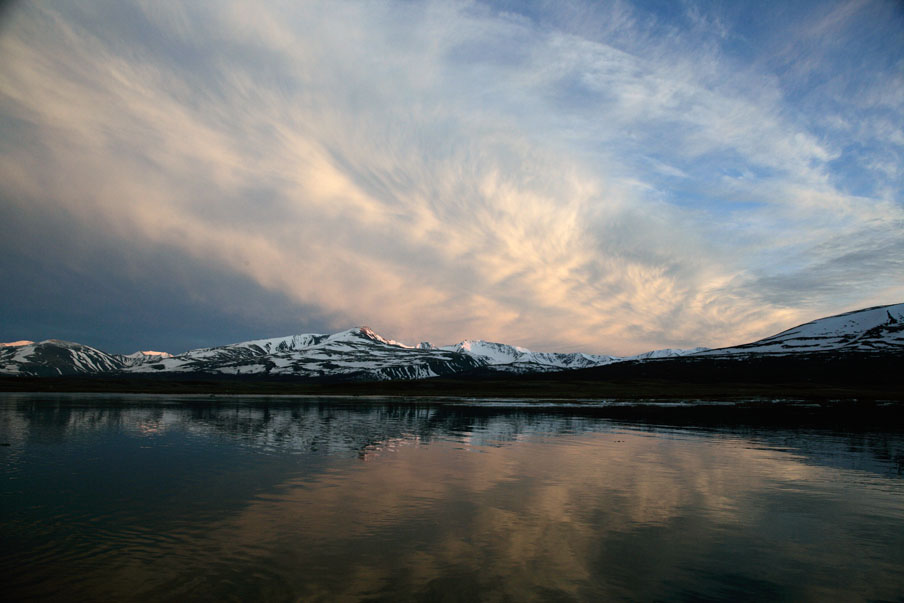
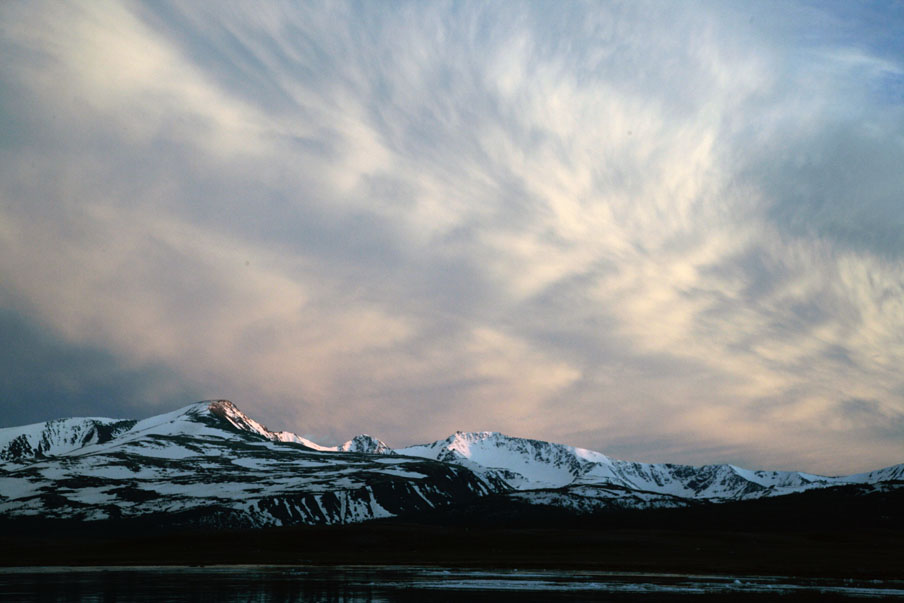
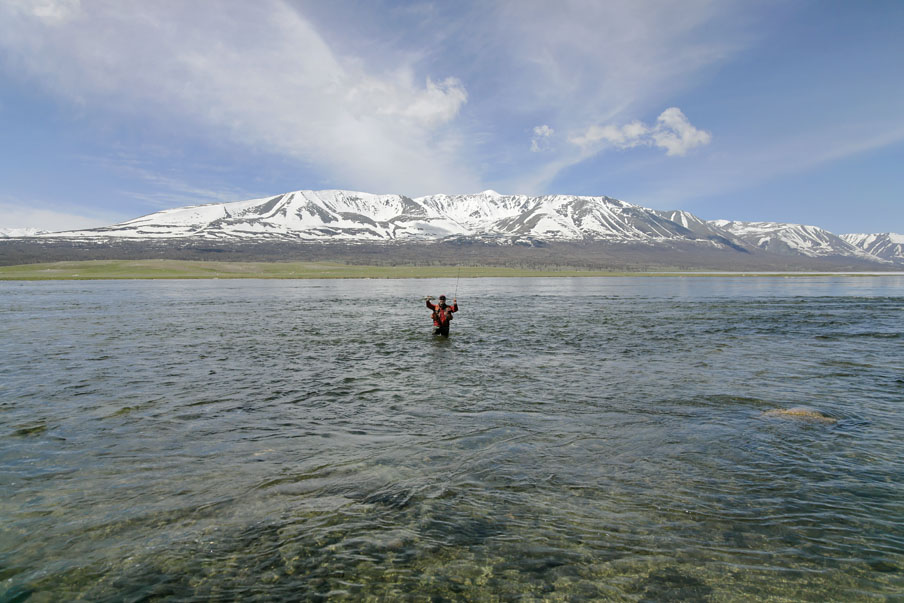
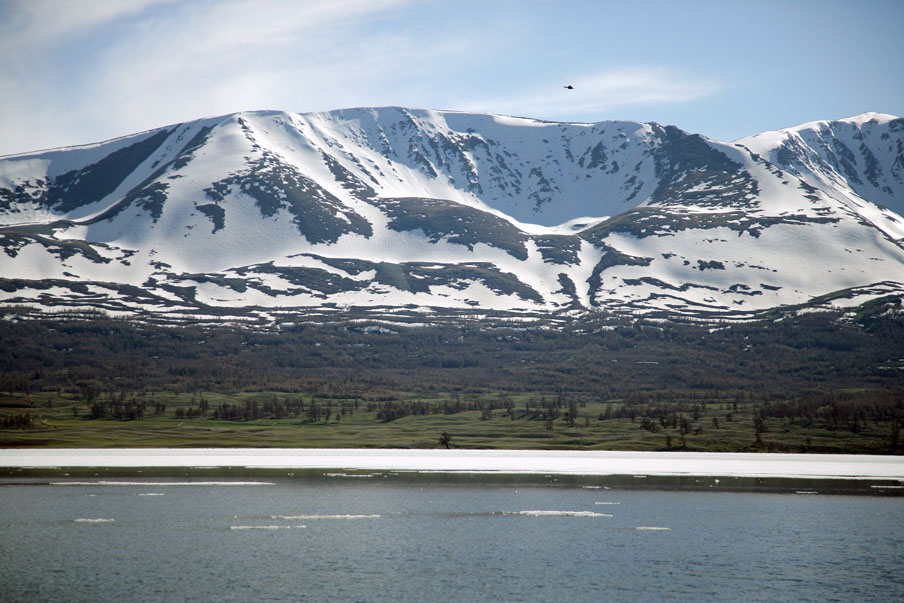
For catching the taimen, Yuriy chose Lake Khoton-Nuur. It is located in the Mongolian Altai Mountains at an altitude of about 2,083 meters above sea level. The lake has an island covered with forest, with an area of 0.5 km². The shores of Lake Khoton-Nuur are quite winding. The main range of the Mongolian Altai, stretching parallel to the northwest shore, descends to the lakeside plain with steep, forested slopes below and treeless slopes above.
The forest is exclusively deciduous. Across the lake, there are five gorges in the ridge, where snow-capped peaks rise. From them flow the right tributaries of the lake. Two of the lower ones are minor. As mentioned earlier, the main goal of the expedition to the lake was to catch the taimen using fly fishing. The taimen is a freshwater fish related to the carp family. This species is still poorly studied.
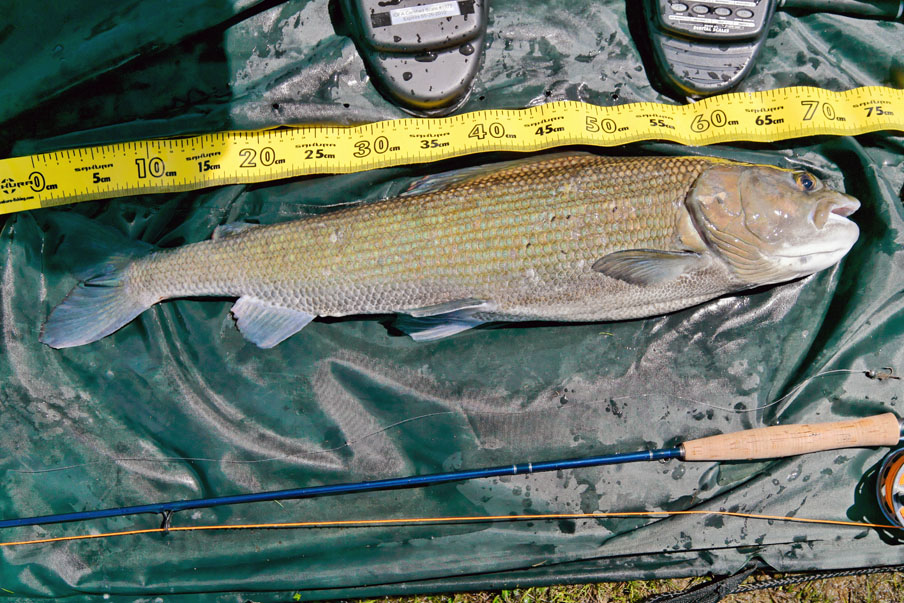
The taimen is not well-known due to its remote and sparsely populated habitats. It has an elongated, spindle-shaped body, flattened on the sides. The head is particularly large. The lower jaw of the fish can vary in size, so the large mouth can be sub-terminal, terminal, or superior. This fish is also distinguished by its sharp teeth, which are present not only in the jaws but also in the throat. Its eyes are small. The body of the specimens is covered with small scales. These small scales do not overlap and are larger along the lateral line. The dorsal and anal fins are quite high. Despite the fact that taimen are not very large predators, Yuriy notes the indescribable strength and vigorous fight of each specimen of this fish.
And one more unique fact shared by Yuriy Kostyantynovych is that the roe and intestines of the taimen, like other mountain river inhabitants, are highly poisonous. The poison almost breaks down even during freezing or strong heating. Caught specimens can be eaten, but the intestines must be thoroughly removed and the belly washed with a concentrated salt solution.