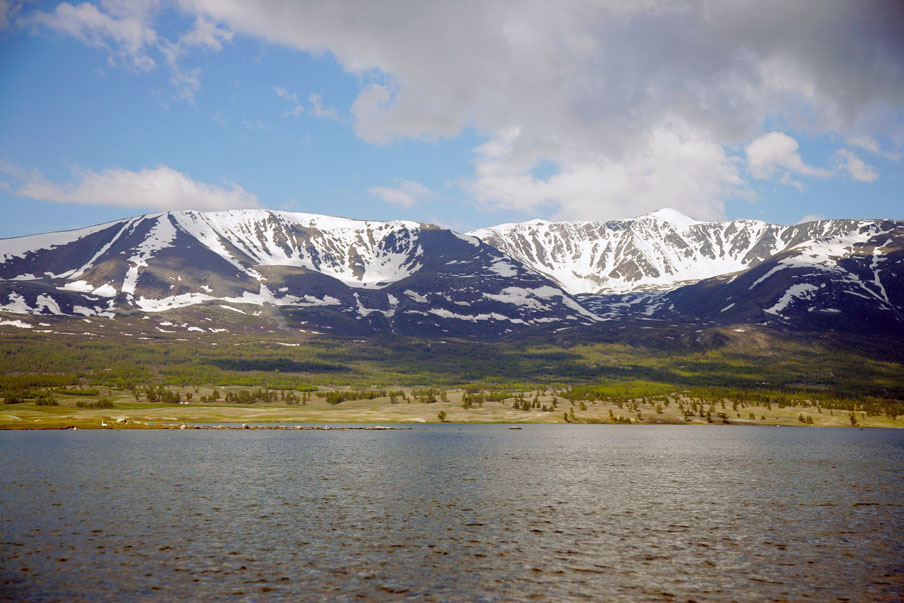
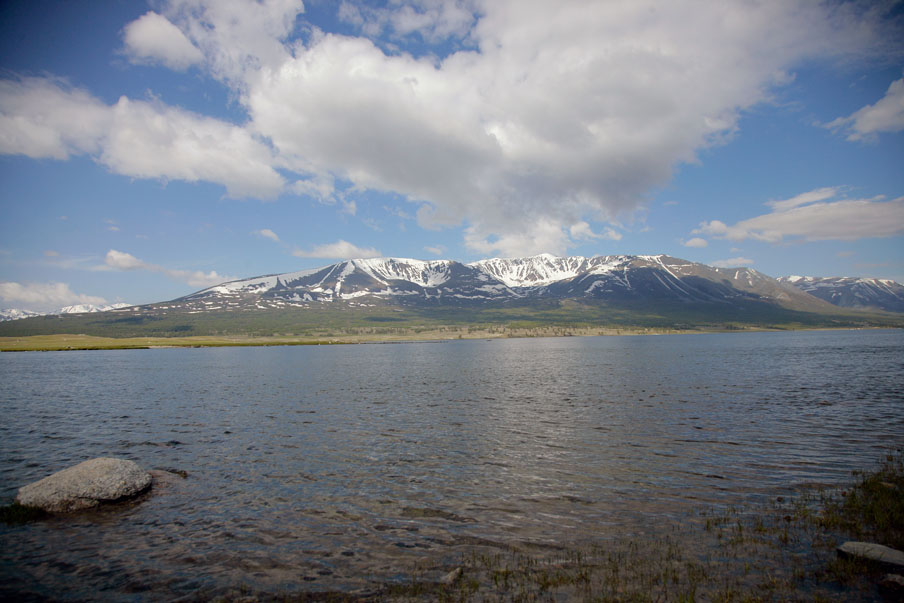
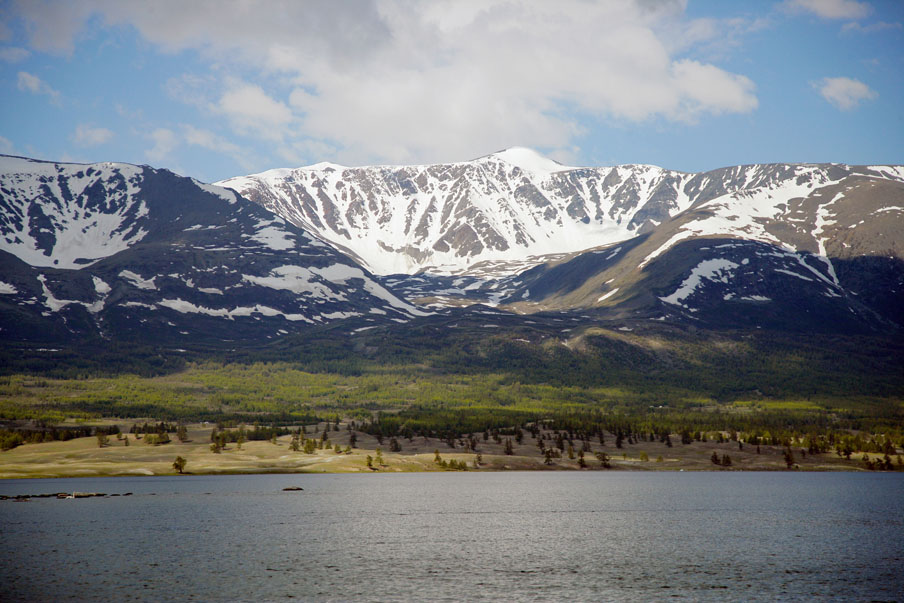
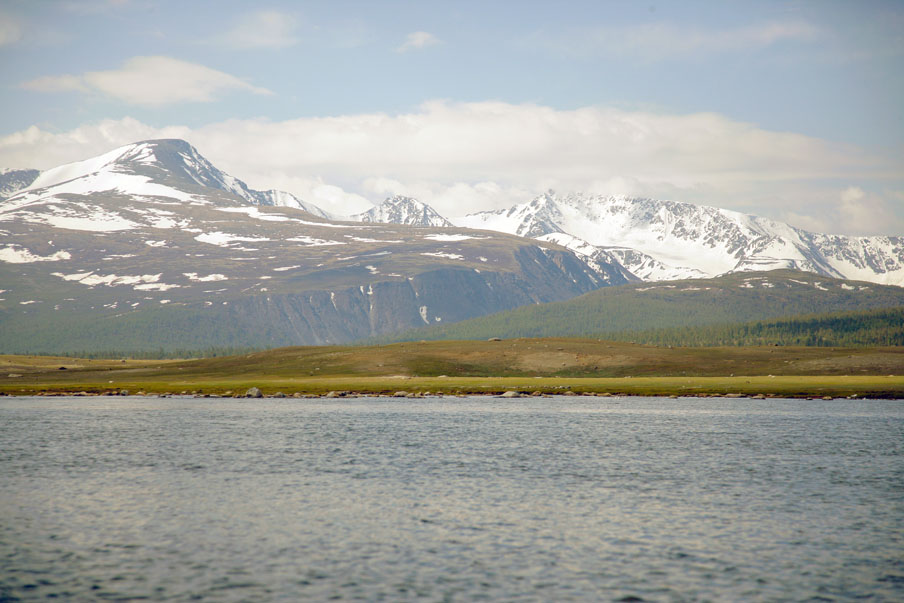
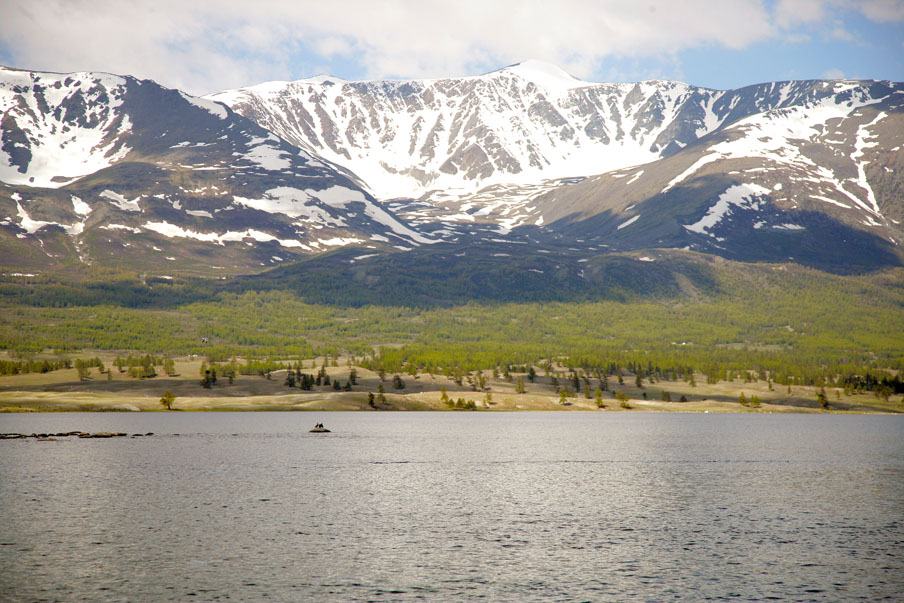
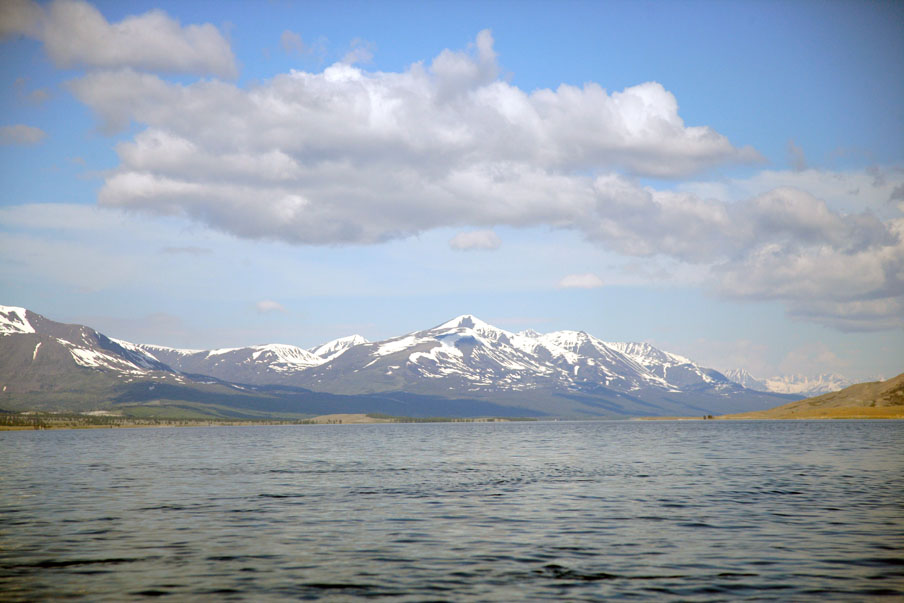
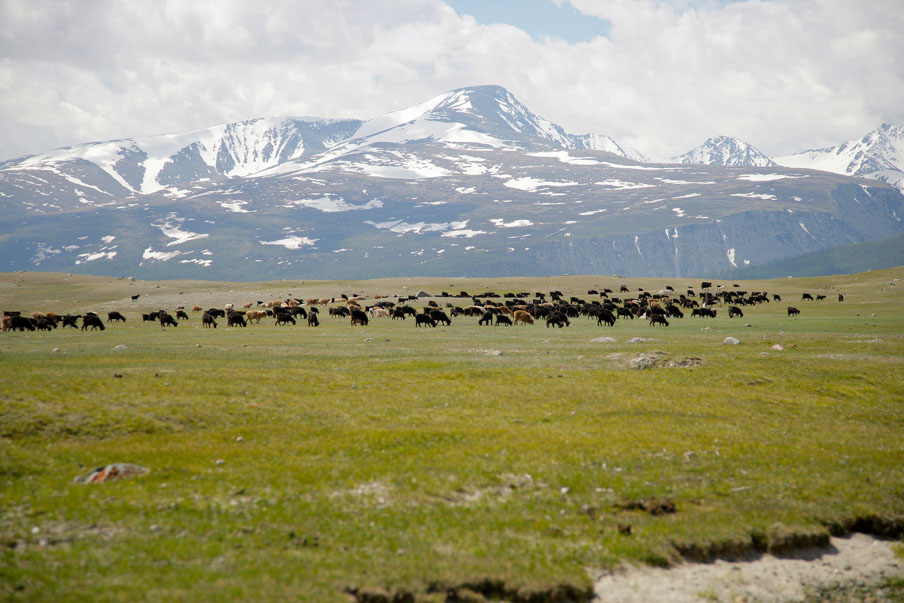
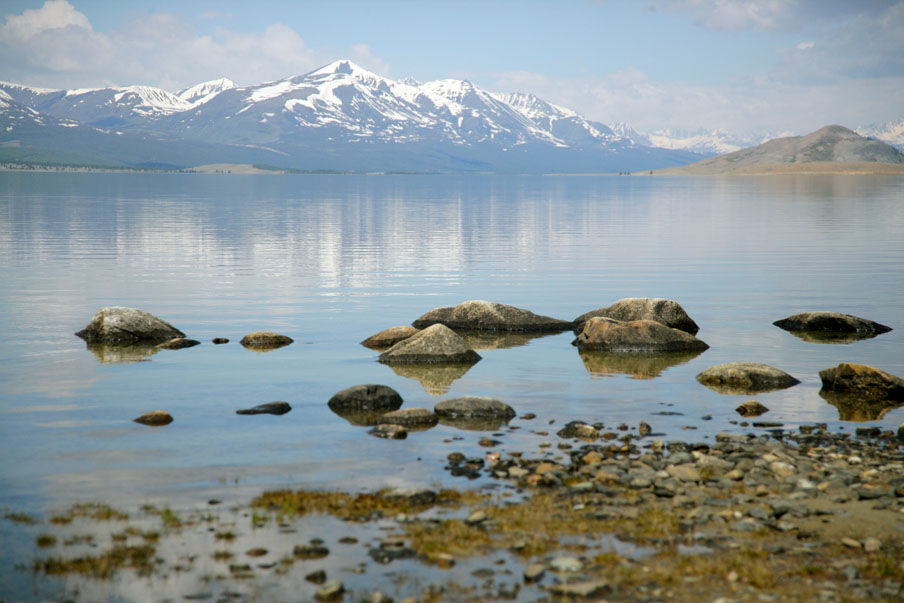
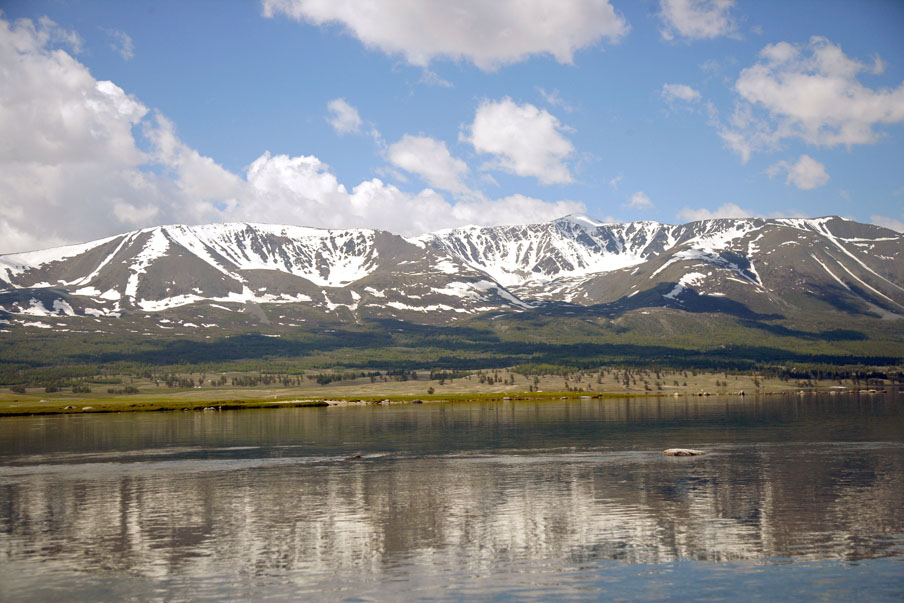
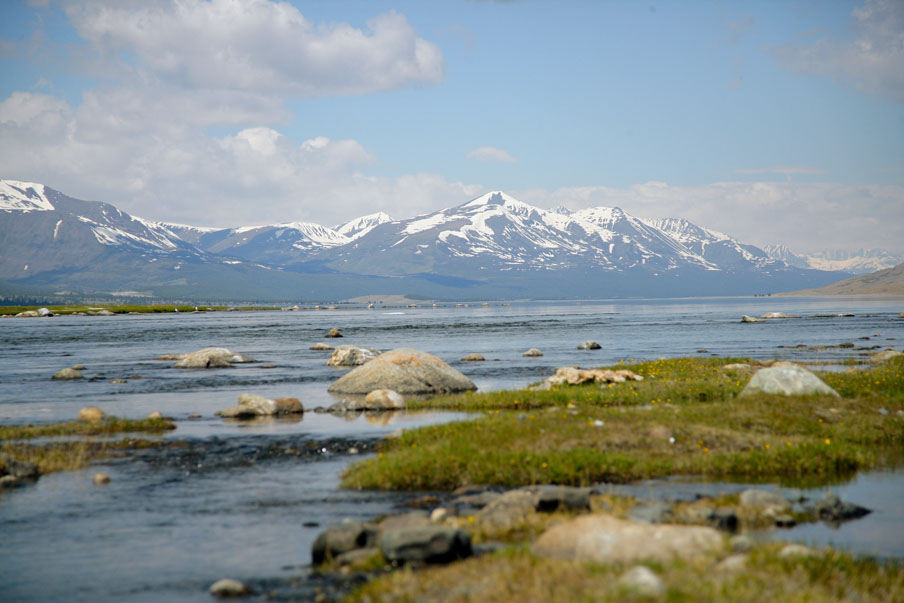
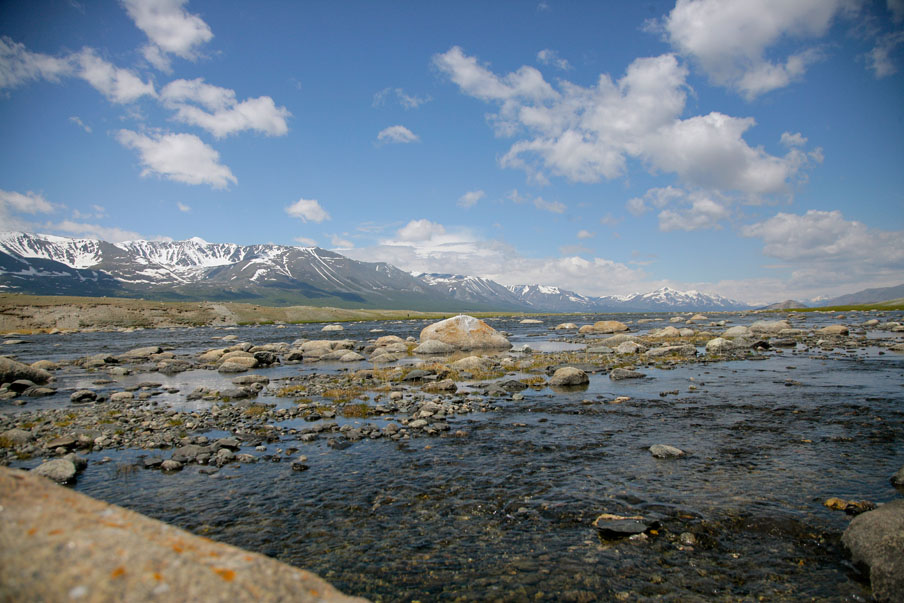
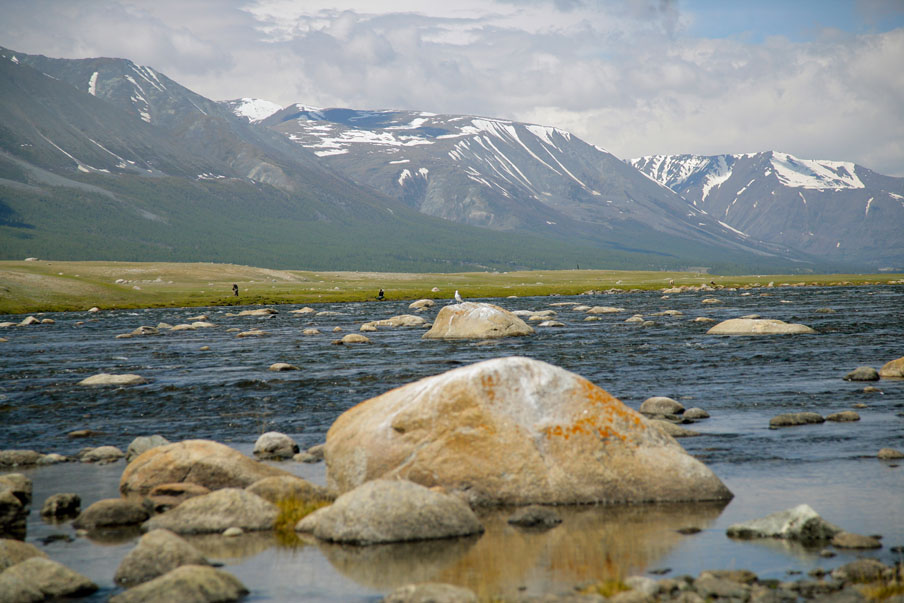
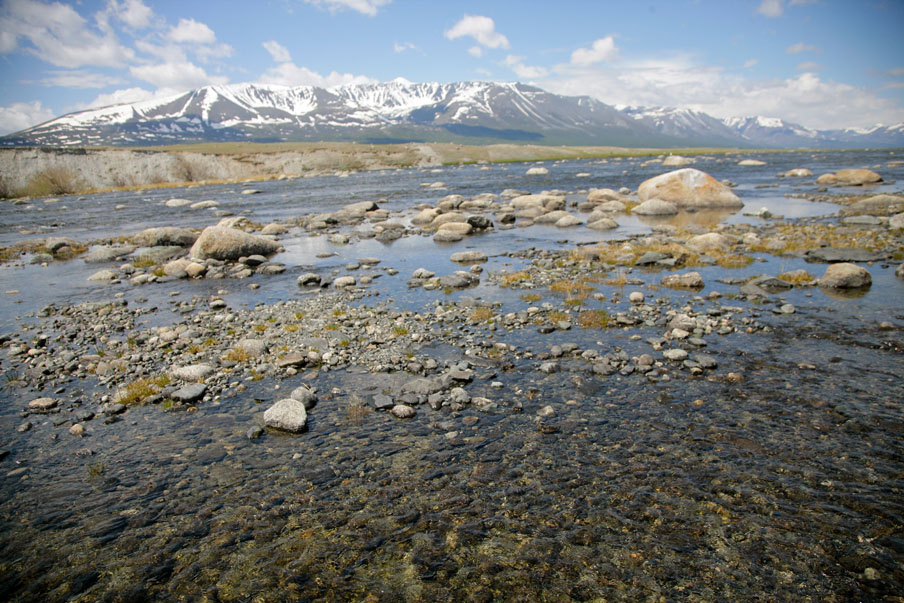
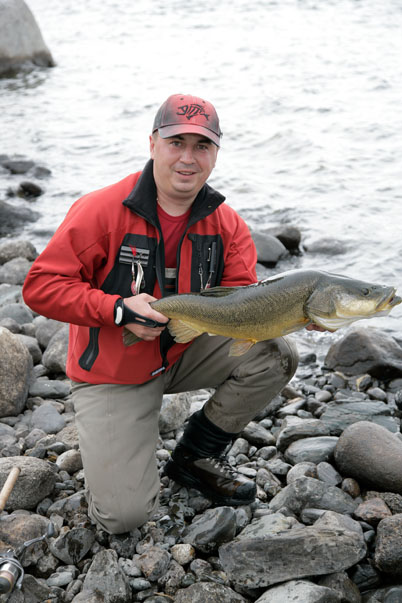
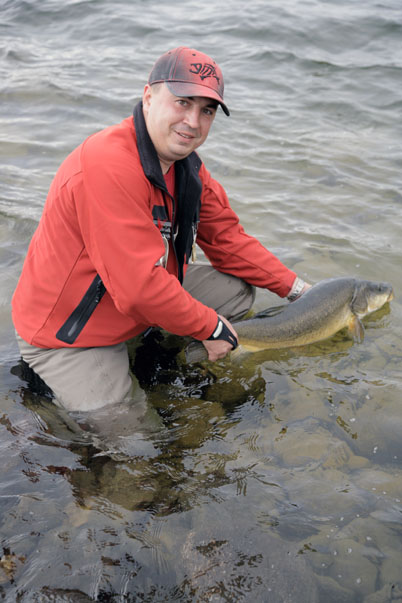
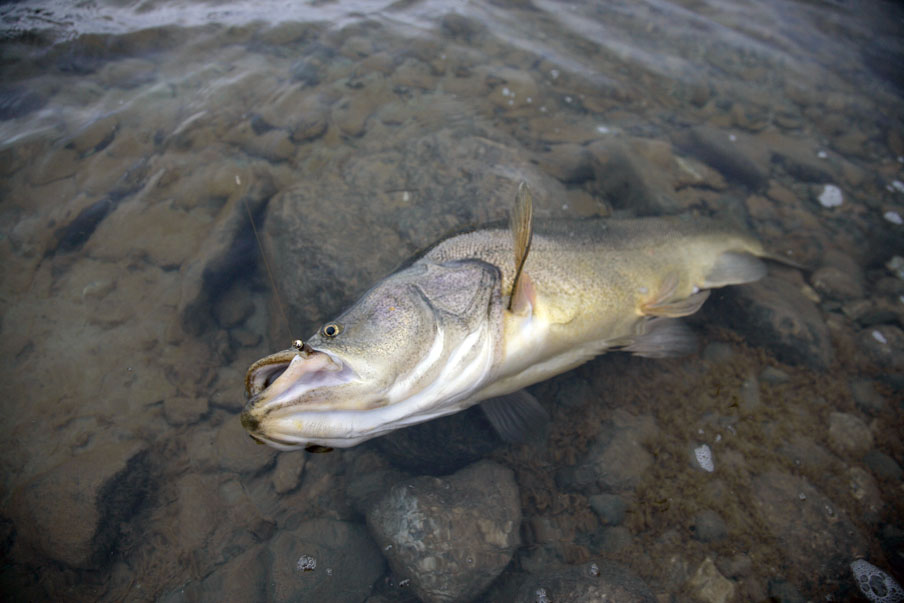
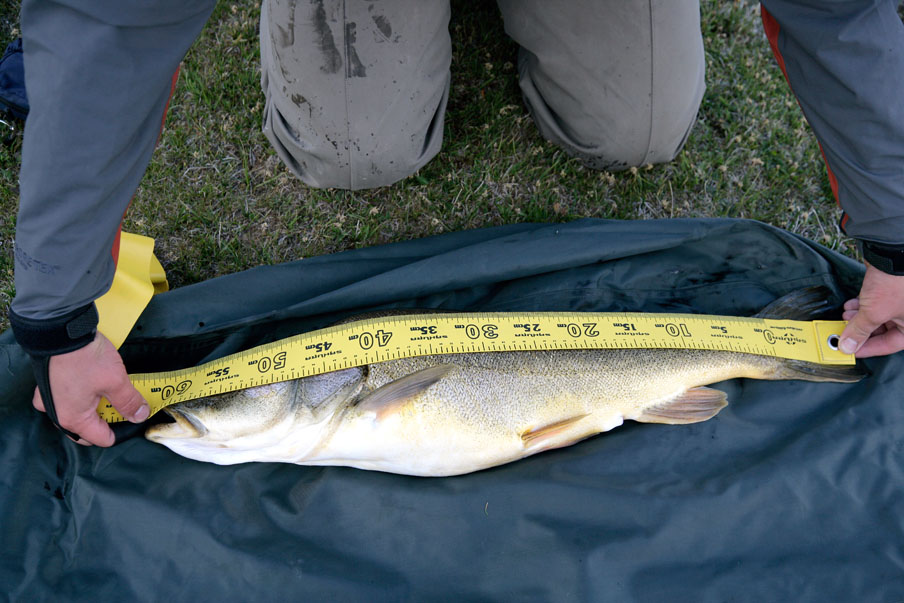
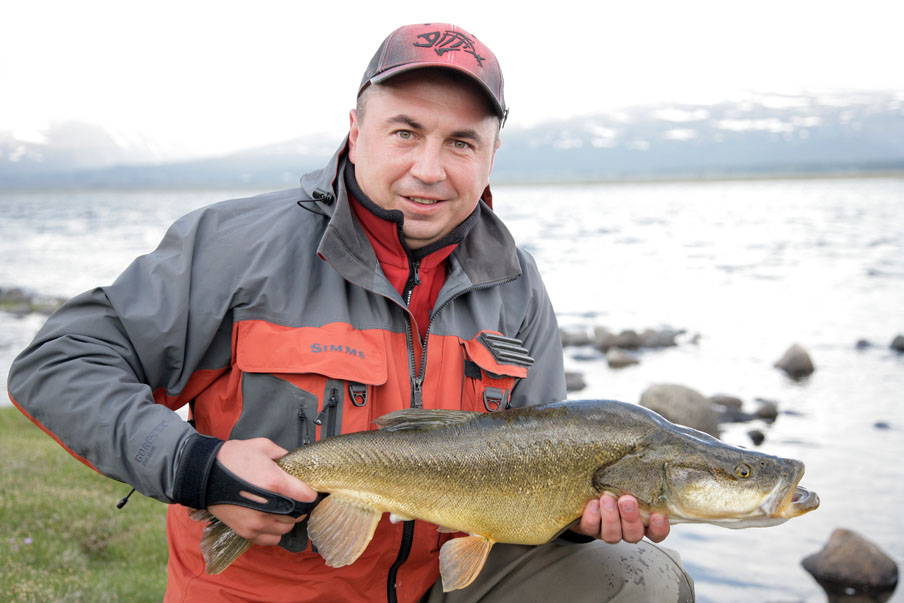
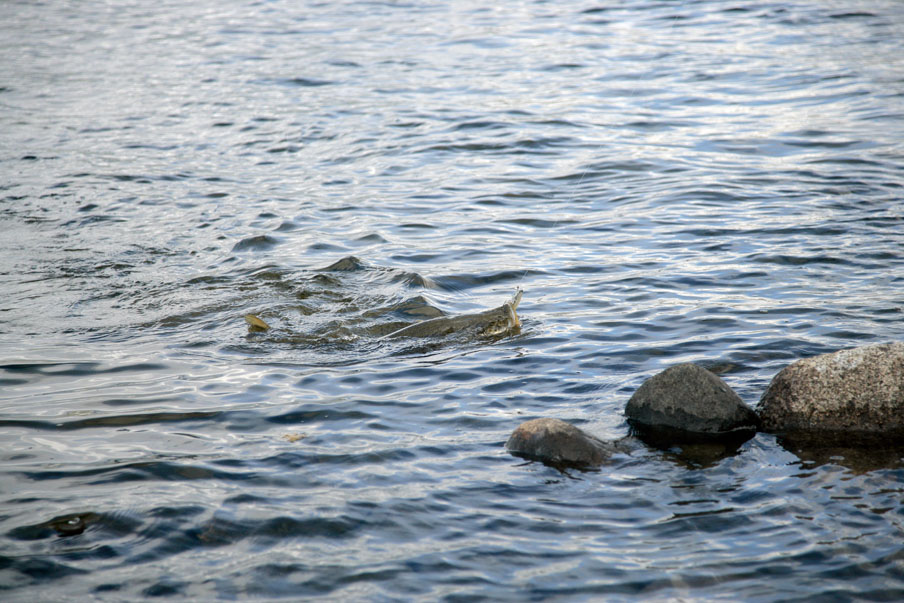
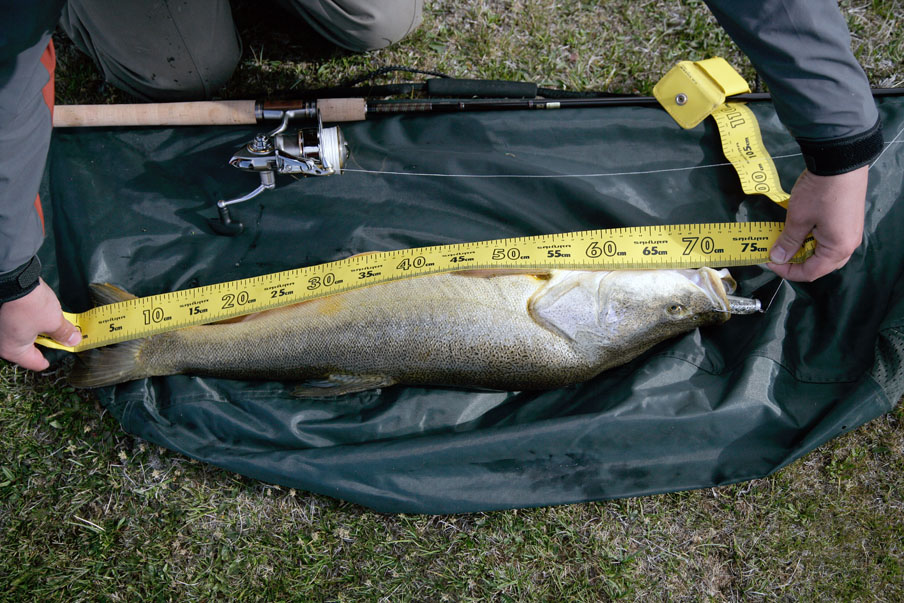
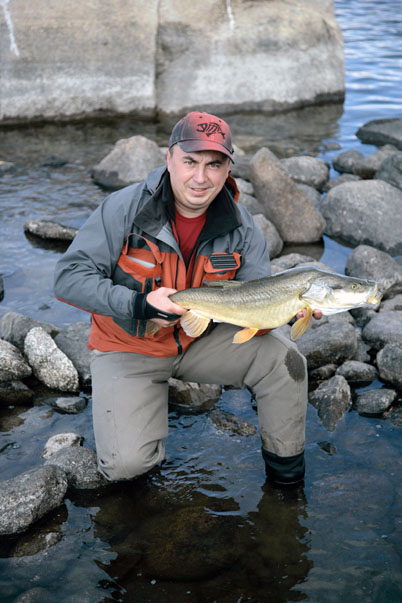
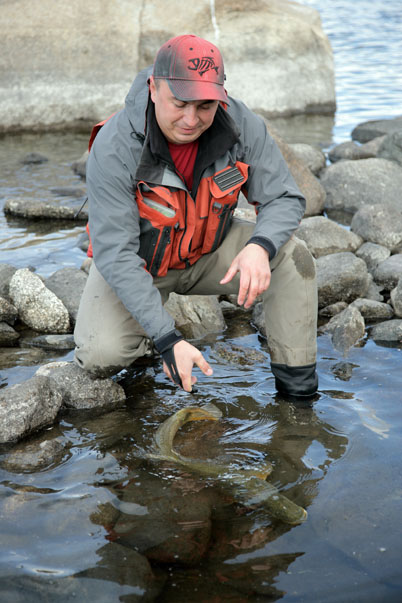
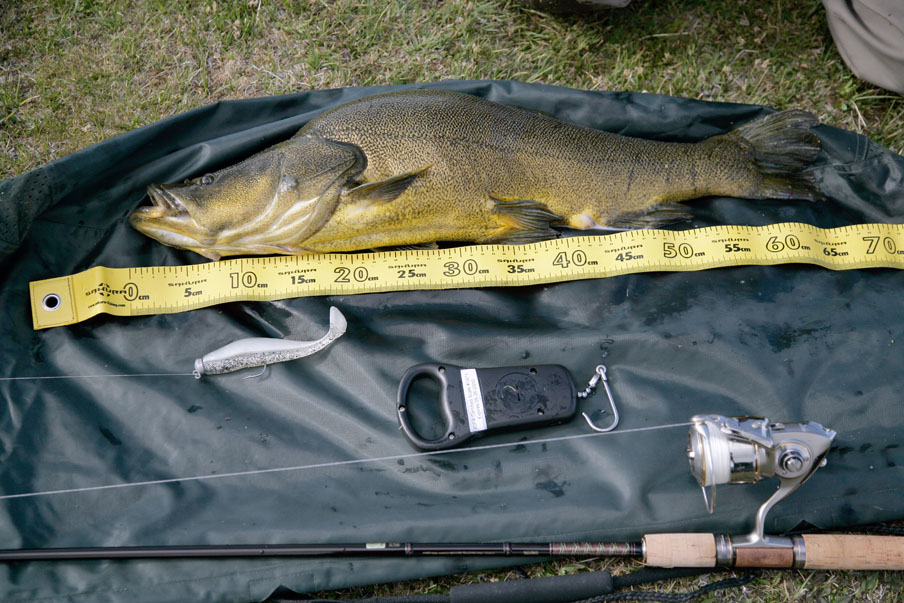
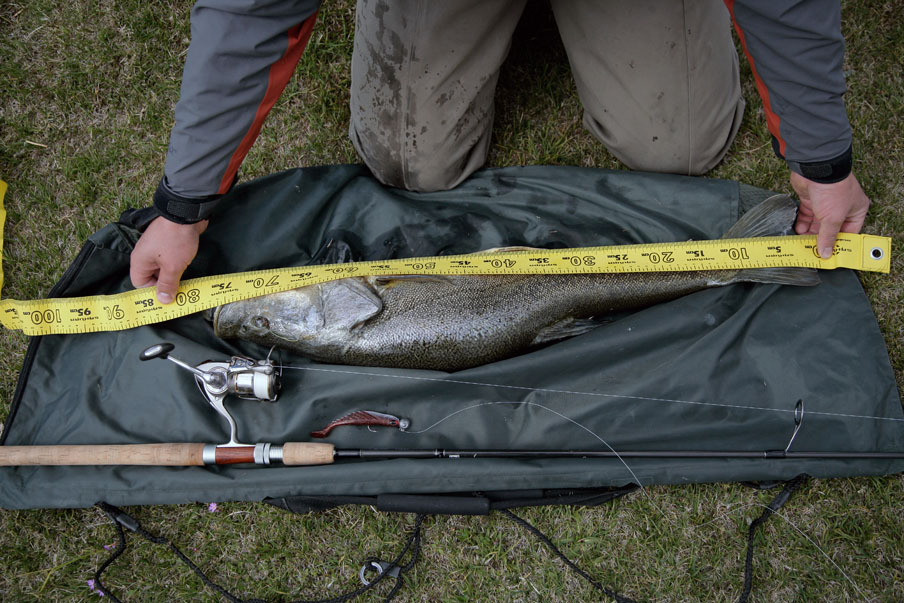
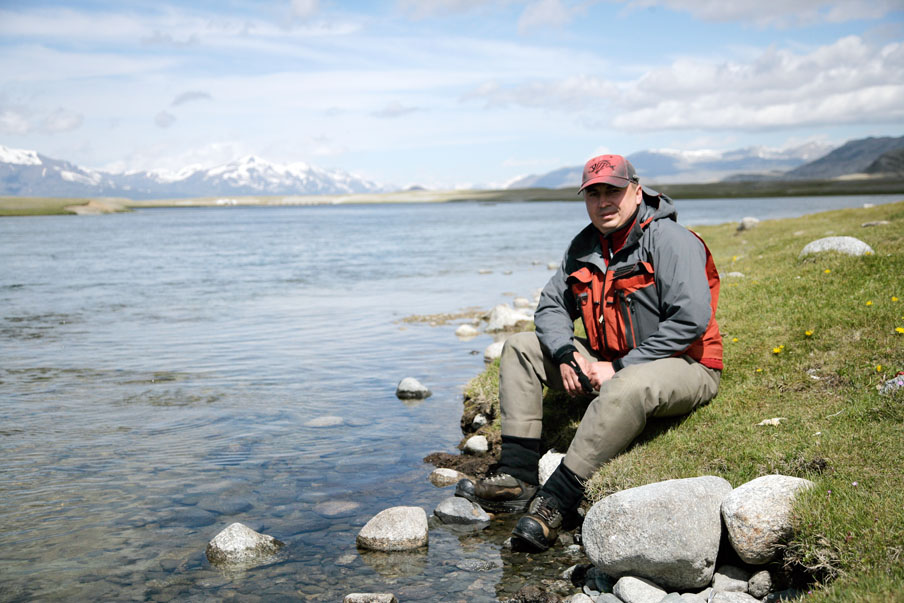
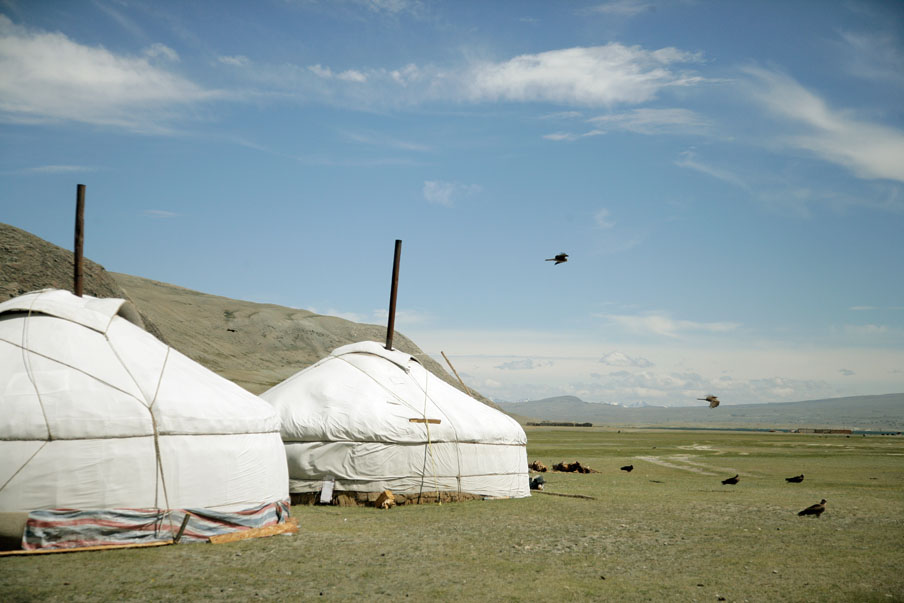
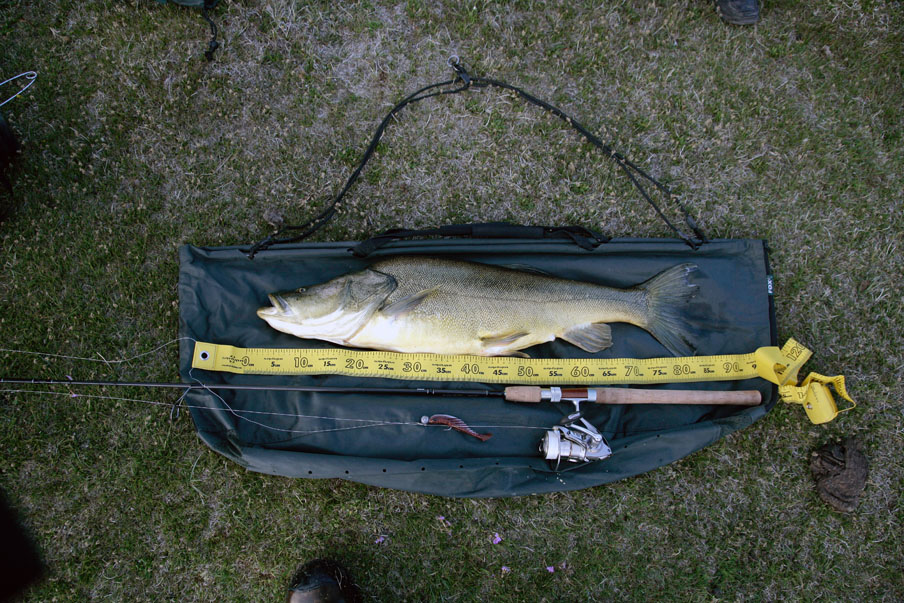
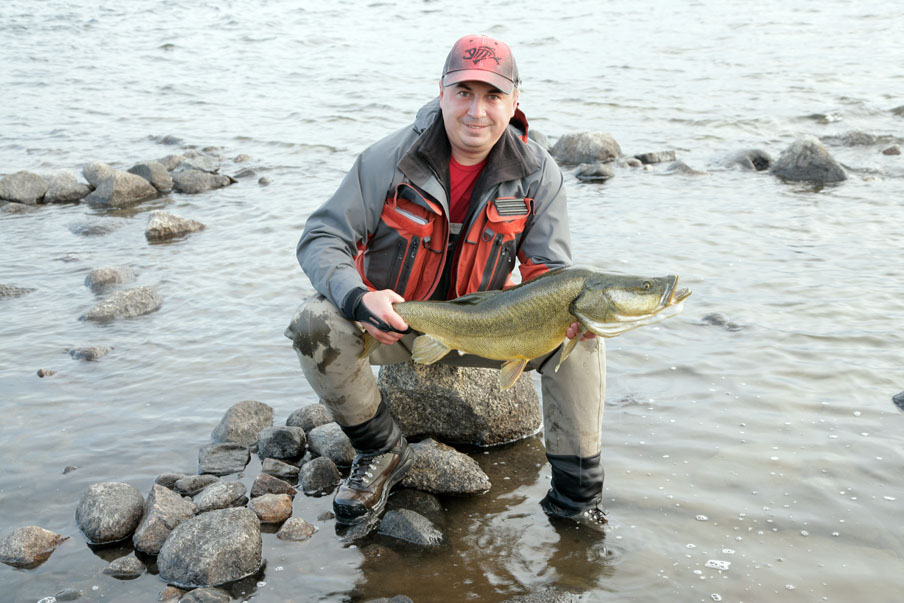
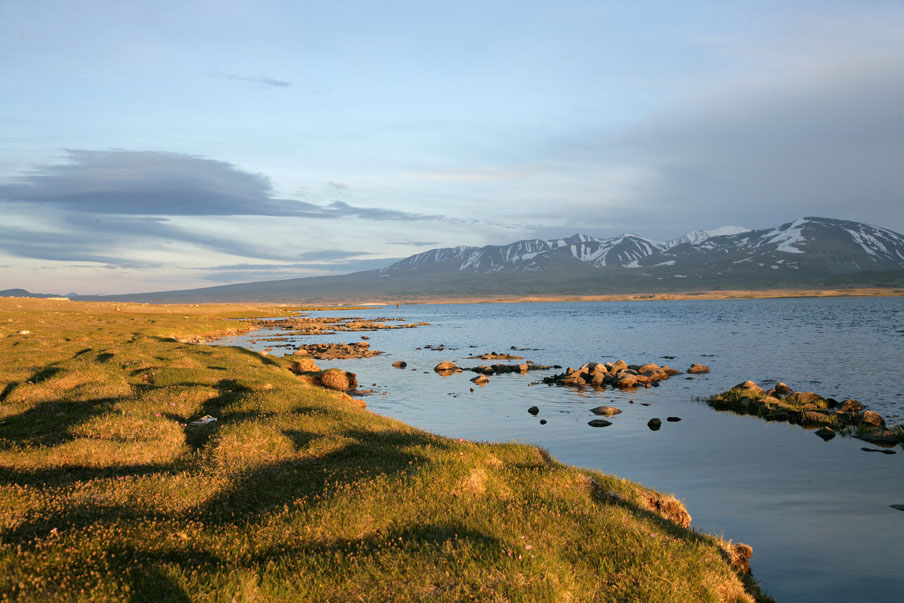
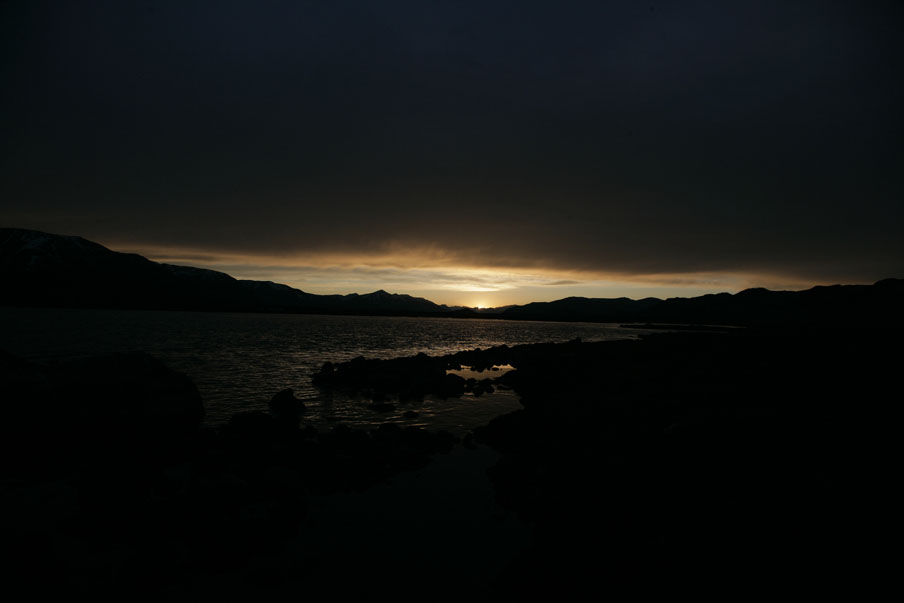
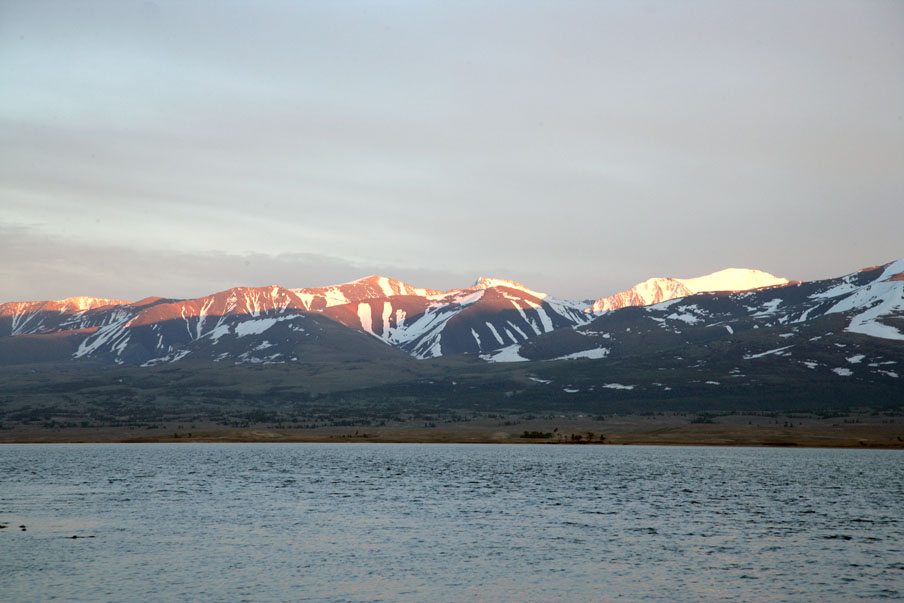
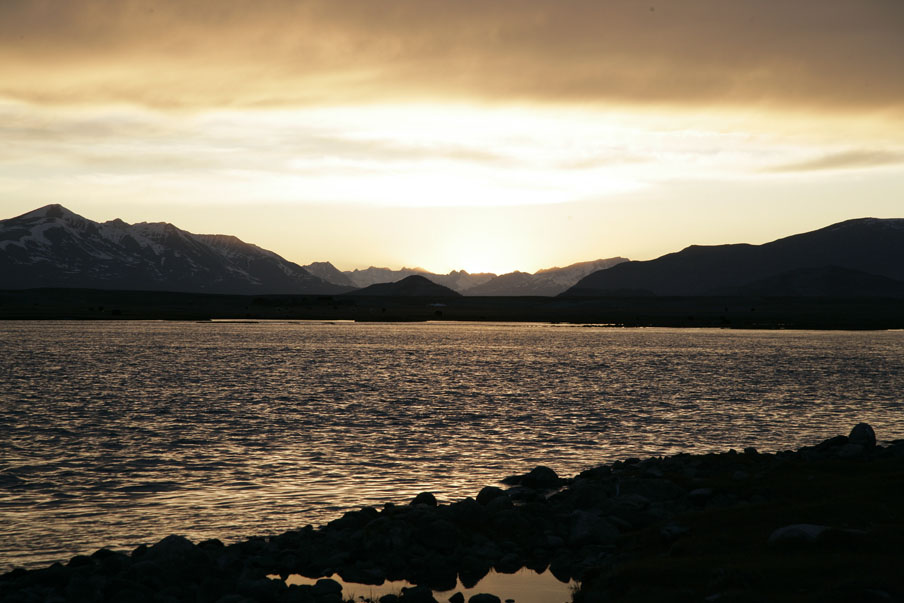
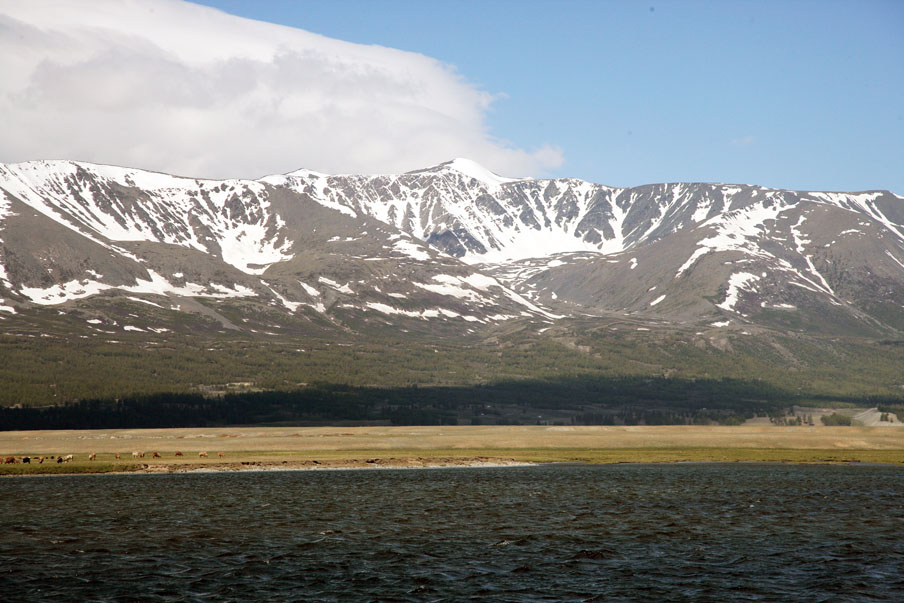
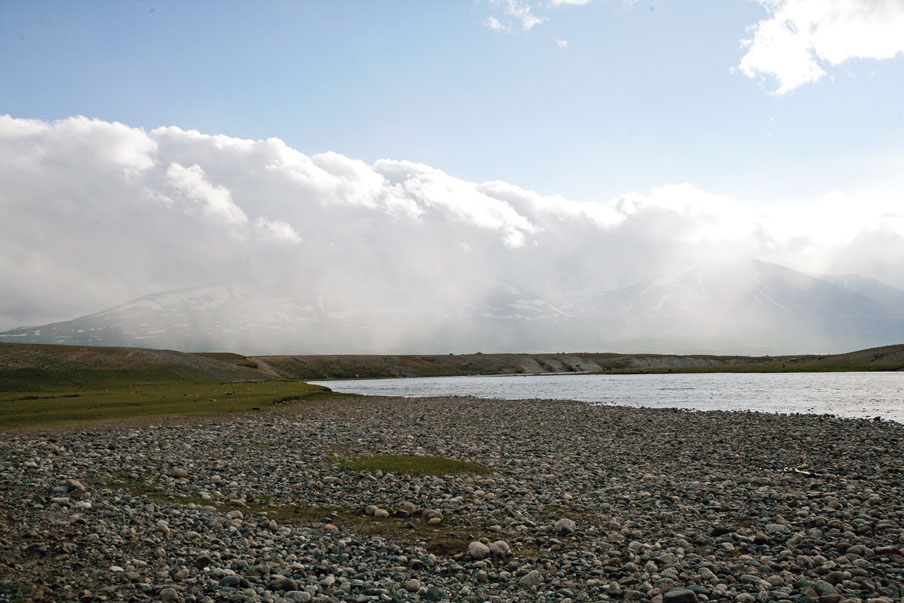
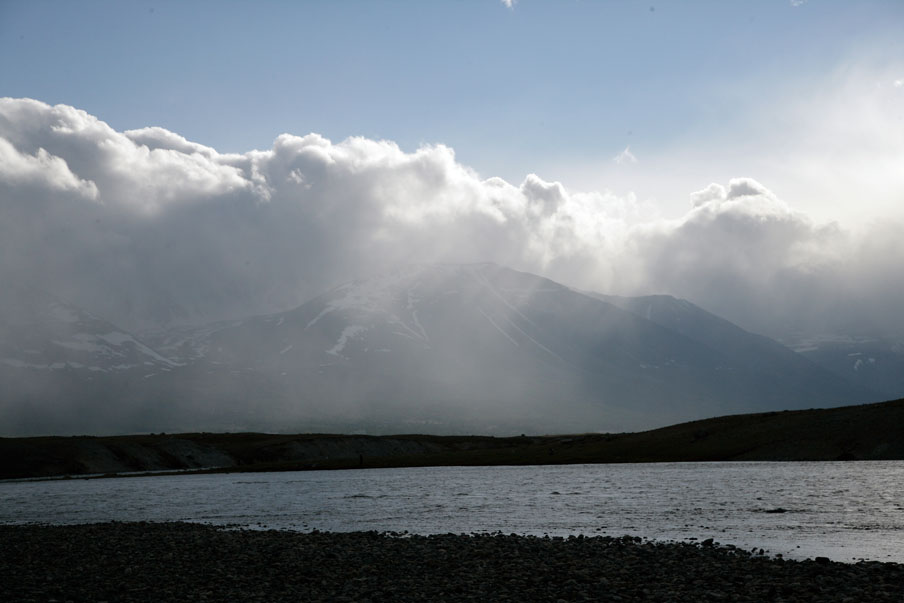
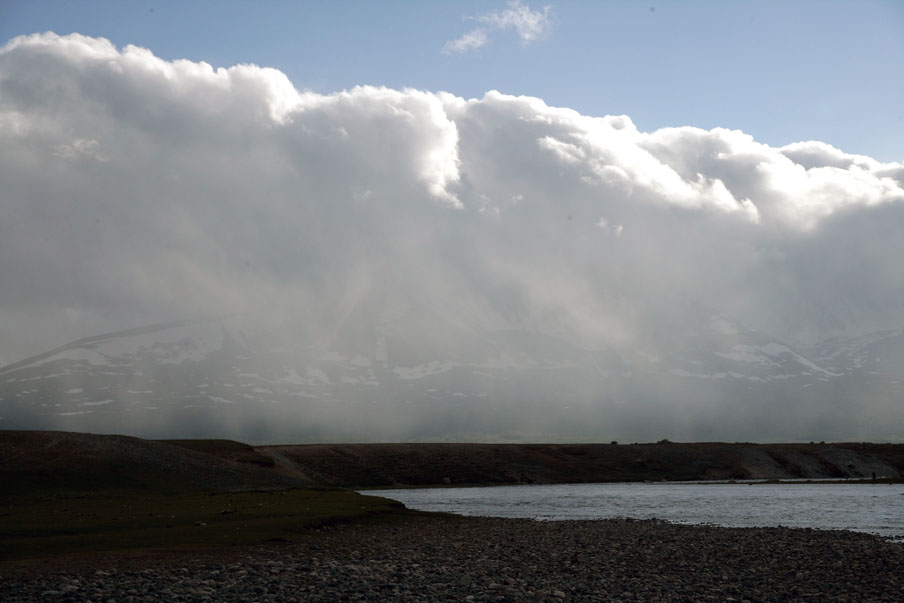
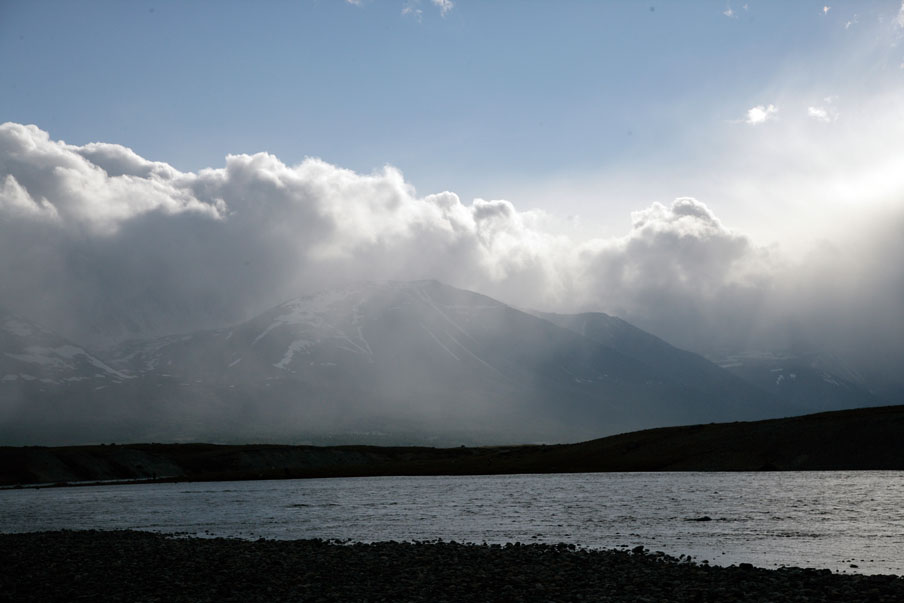
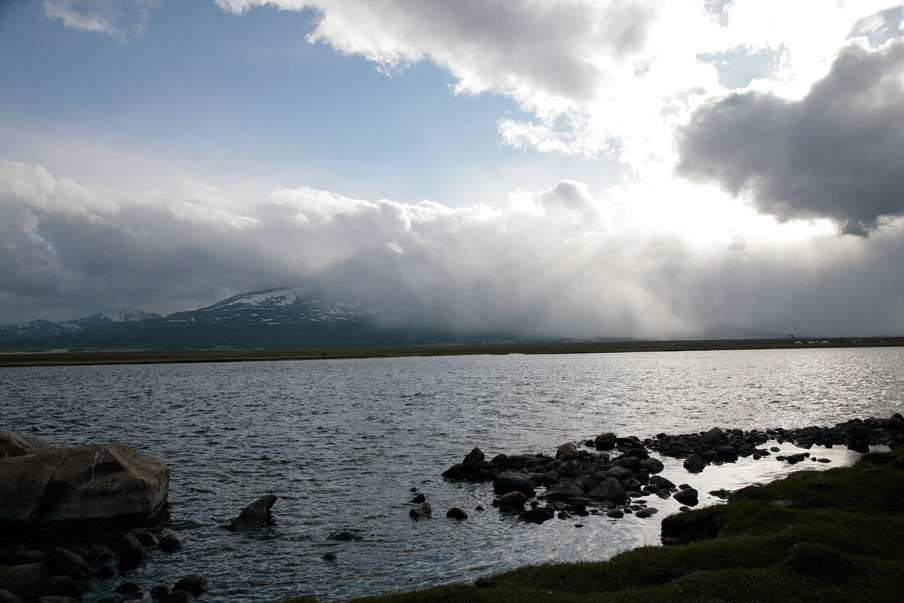
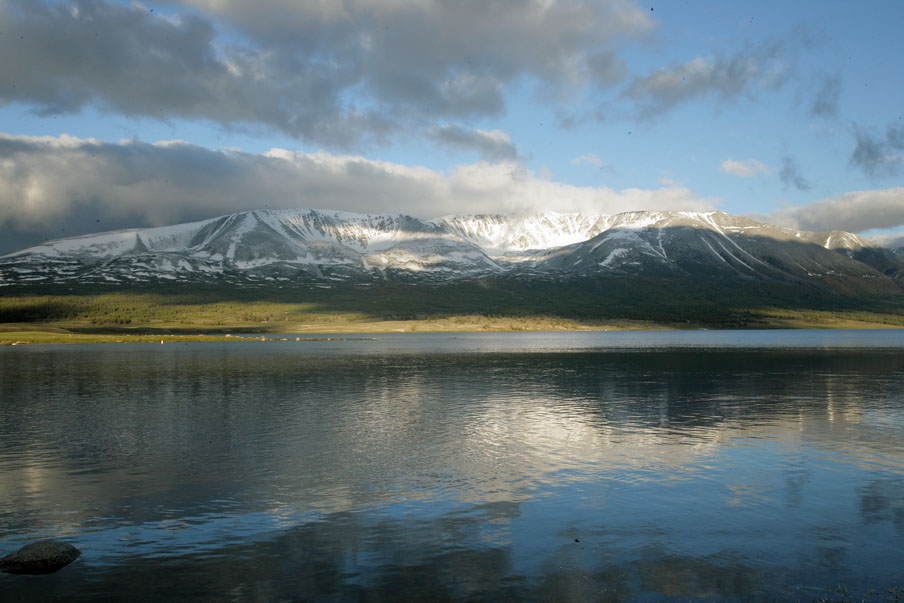
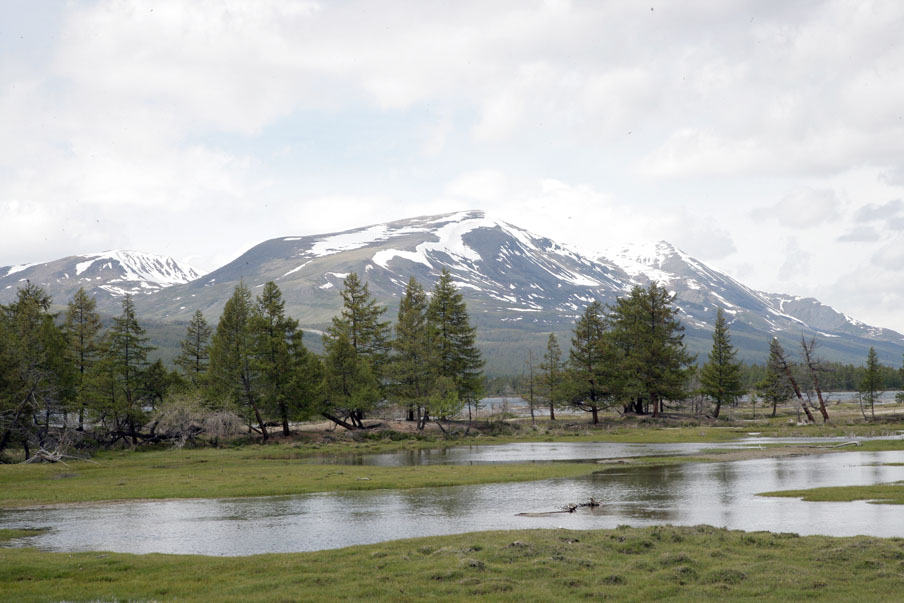
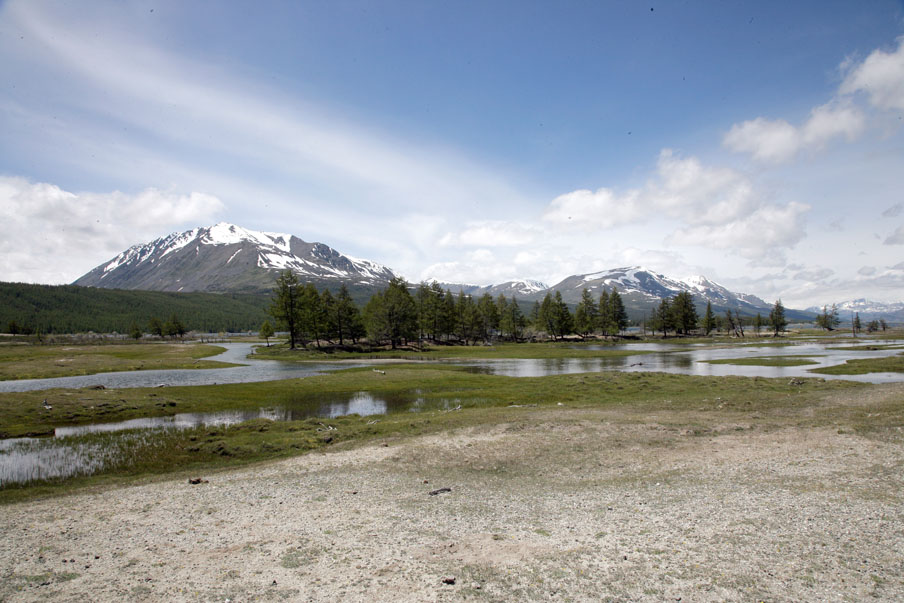
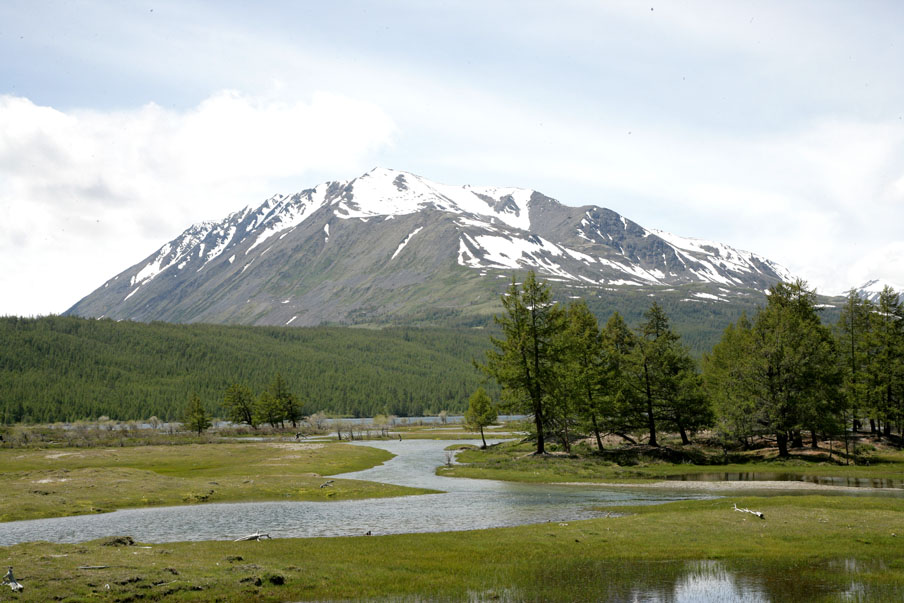
When setting off on another expedition, Yuriy Kostyantynovych set himself a new goal – to establish a world record for grayling. The chosen location for the expedition was Lake Khurgan. Khurgan-Nuur is a freshwater lake located in the Tsengel sum of the Bayan-Ölgii aimag in Mongolia. It is situated at an altitude of 2,073 meters above sea level. The lake covers an area of 71 km², with an average depth of 8 meters and a maximum depth of 28 meters. The Khovd River originates from this lake. Khurgan-Nuur is connected to the neighboring Lake Khoton-Nuur by the Syrgaal Channel. The rivers Ikh-Turgan-Gol, Otogtiin-Gol, Sumdayragiin-Gol, Baga-Turgan-Gol, and Shara-Bulag also flow into it. The lake has several islands, the largest of which is Khulbayn. Lake Khurgan-Nuur is home to 67 species of planktonic algae, mostly diatoms and green algae. The zooplankton is mainly represented by copepods. The ichthyofauna includes Mongolian grayling, Altai osman, and two species of longfin grayling – the tuberculate and the sharp-nosed. Khoton-Nuur and Khurgan-Nuur are located in the Altai Tavan Bogd National Park. The grayling is a predatory fish, belonging to the order Salmoniformes and the family Salmonidae. It has an elongated, greenish or bluish-silver body, with a back adorned with numerous black spots, a silver belly with a purple sheen, and grayish sides. The dorsal fin is large, colorful, while the anal and tail fins are purple. The head is small, and the mouth of the Mongolian grayling is very large (the end of the lower jaw extends beyond the rear edge of the eye), with well-developed teeth, which are reduced in other graylings. Young graylings are less brightly colored, and can be distinguished by their dark transverse stripes. The color also depends on the water body in which the fish lives. If the current is fast, the color will be lighter. If the fish lives in a pool, its body will acquire a characteristic steel color. The grayling is easily recognizable among other species due to its large, powerful dorsal fin, which resembles a sail or a large flag, vividly decorated with various patterns of spots or stripes. Besides the large dorsal fin, the grayling also has a small adipose fin on its back, highlighting the nobility of its lineage and its relatedness to salmon. Graylings can reach weights of 2.5 – 3.0 kg, with the largest specimens (up to 5-6 kg) found among Mongolian and European graylings. The Mongolian grayling feeds year-round but particularly intensively during the summer. Its usual diet consists of bottom-dwelling organisms – amphipods, mollusks, insect larvae, and other aquatic insects (mayflies, stoneflies, caddisflies), as well as various terrestrial and airborne insects that accidentally fall into the water – grasshoppers, cicadas, horseflies, midges. The grayling will also seize the opportunity to feed on fish roe. Large graylings often eat fry, and in rarer cases, may even attack small mammals (voles, shrews, etc.). According to Yuriy, despite the fish weighing 1.5-2 kg, the grayling is a worthy opponent, providing the angler with a lot of emotions and positive memories. The record for trophy grayling is 3.12 kg. The world record is established as follows – before the expedition, the angler sends their scales for sealing and control to the International Game Fish Association. During the catch, photos of the trophy specimen are taken from multiple angles, and all data is sent to the federation. If any tampering with the photo (e.g., using special editors) is detected, the record is not recognized, and the angler gains a rather bad reputation. The record set by Yuriy in 2010 with the association has not yet been broken!