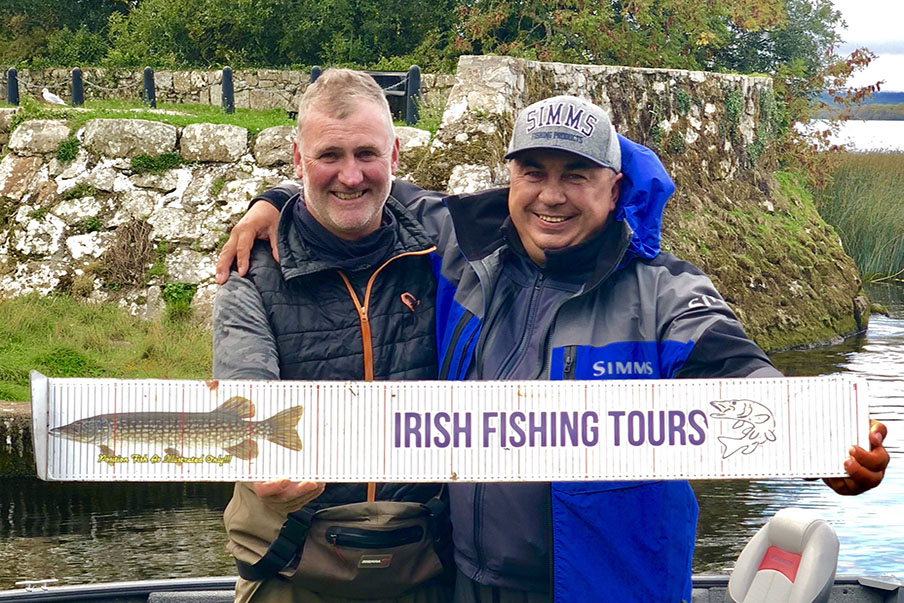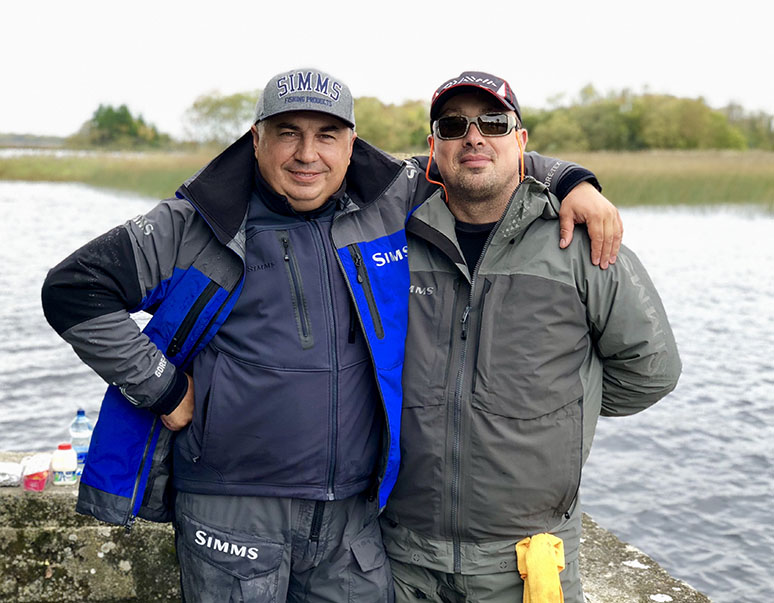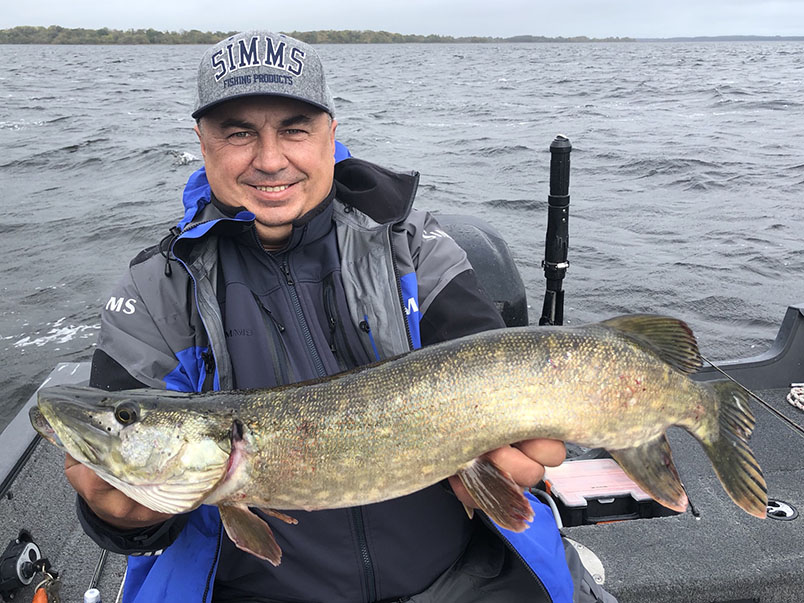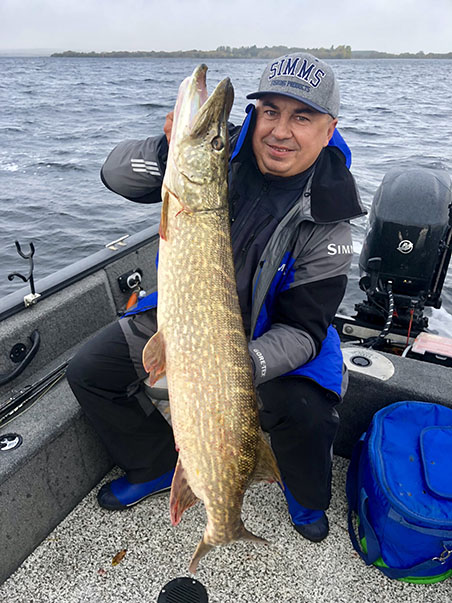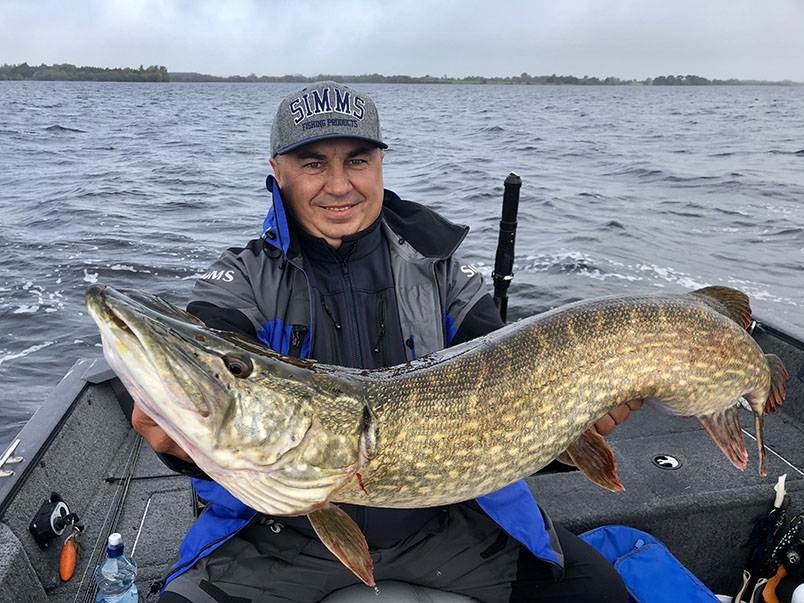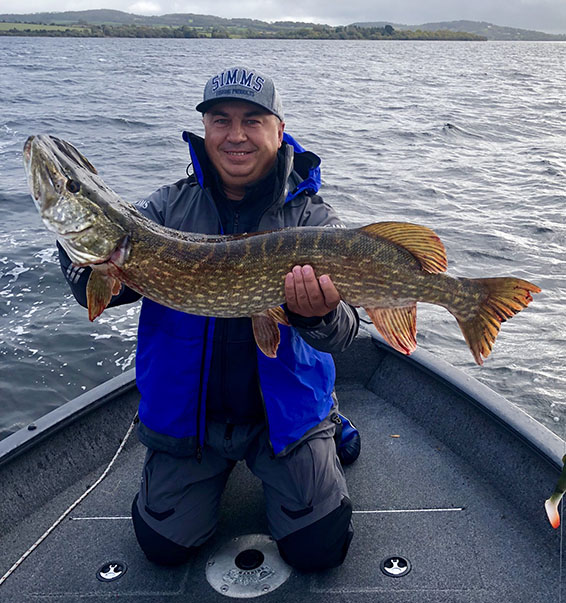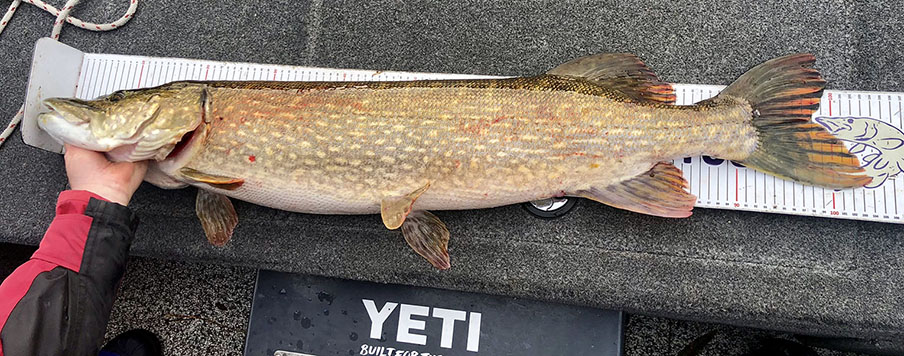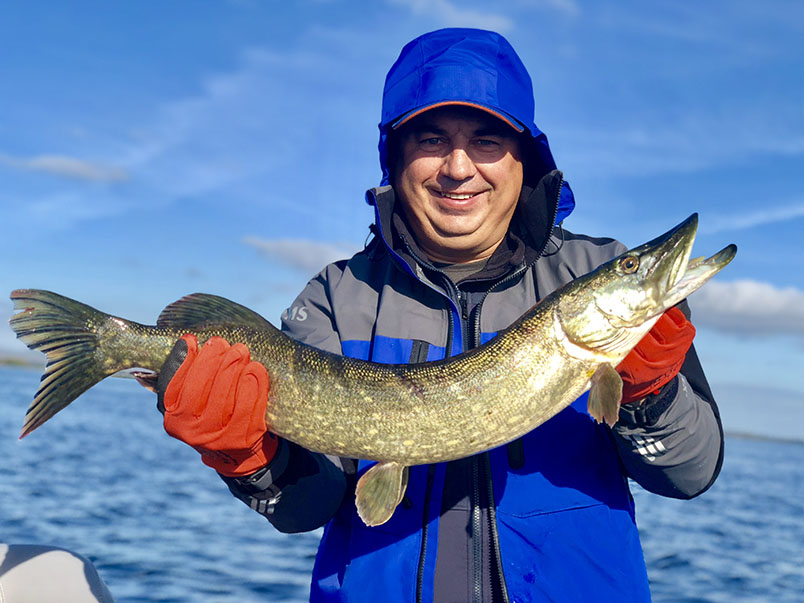

If you want to catch a large trophy pike, and not just one, you absolutely must visit the lakes of Ireland, just like the experienced fly fisherman, founder of the DYK brand, and all-around great person, Yuriy Dyachenko, did.
Ireland is a country in Northern Europe that occupies most of the island of Ireland. Its northern border is shared with Northern Ireland (part of the United Kingdom). The area of Ireland is 70.2 thousand square kilometers. The climate of Ireland is temperate maritime. The warm North Atlantic Current flows near the western coast of the island, bringing warm and moist air masses from the Atlantic Ocean, along with southwestern winds. Winters here are relatively mild, while summers are cool. The warmest month of the year is June, with an average temperature of 18-20 degrees Celsius. The coldest month is January, with temperatures dropping to 7-9 degrees below zero.
The landscapes are generally flat: the interior regions are occupied by the large Central Plain, which extends to the island’s shores in the east and west. The outskirts of the island are marked by low mountains. During his expedition, Yuriy visited Lough Derg, located in the southwestern part of Ireland. The southwest borders County Galway, the southeast borders County Clare, and the east borders North Tipperary. Lough Derg is recognized as the second largest lake in Ireland. The maximum depth of the lake is 36 meters, and the surface area reaches 129 square kilometers. Lough Derg is located at the mouth of the River Shannon, which flows into it from the north and out from the south, giving the lake an elongated shape.
The terrain of the eastern and northern shores is flat, while the western and southwestern shores are steep and rocky. The body of water is one of the most visited natural attractions in the country, thanks to its well-developed tourist infrastructure. On the shores of Lough Derg is a branch of the University of Limerick, whose staff promotes water sports. Combined with its rich natural resources, this attracts a large number of tourists to the lake. They come here to fish, sail, explore the lake by boat, relax on picnics, paddle canoes or kayaks, and enjoy the natural landscapes.
In Ireland, there is no closed season for pike fishing, and fishing is allowed year-round. The catch restrictions are as follows: an angler cannot keep or possess more than one pike (less than 50 cm) or more than 0.75 kg of pike meat. Size restrictions help increase the number of trophies—you must release all fish longer than 50 cm (from tail to tip) back into the water.
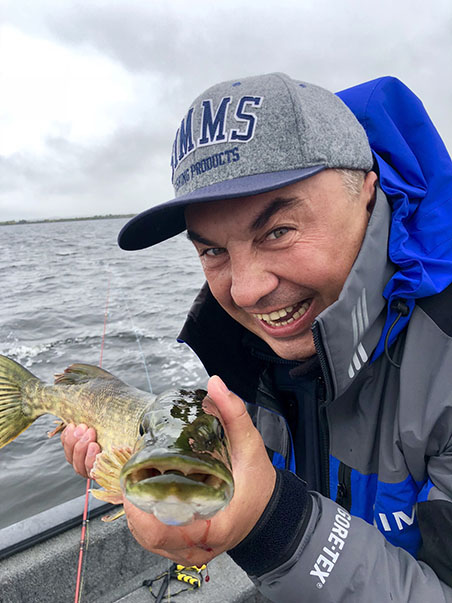
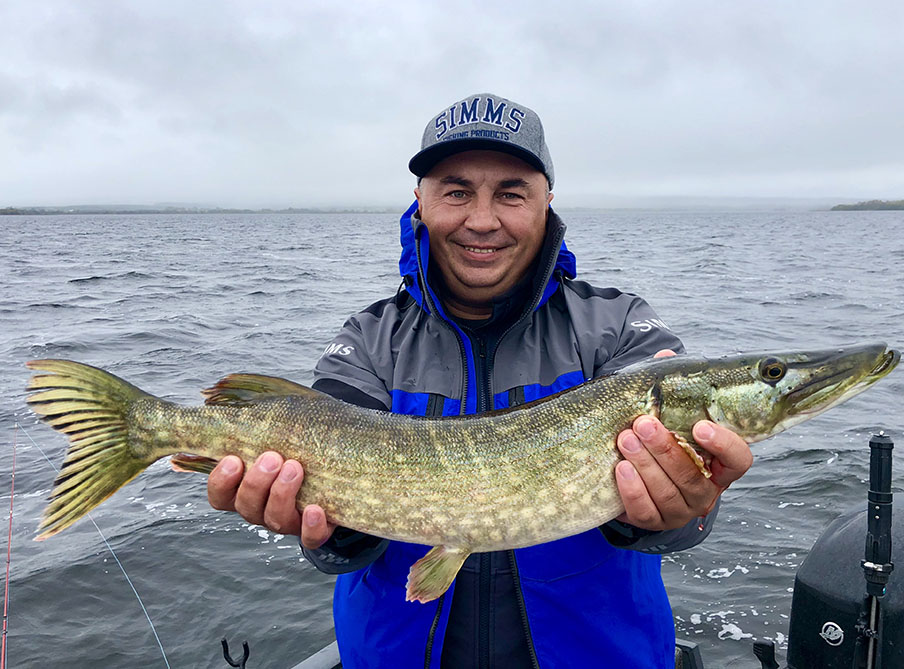
Pike… Probably every angler has caught this beauty, with its streamlined body and large mouth lined with dozens of sharp, blade-like teeth. The predator’s body length can reach up to 1.5 meters, and its weight can be up to 35 kilograms (usually around 1 meter and 8 kilograms). The coloration is variable and depends on the environment: depending on the type and density of vegetation, the fish can be gray-green, gray-yellow, or gray-brown, with a darker back and sides marked by large brown or olive spots forming dark transverse stripes. The unpaired fins are yellowish-gray, brown with dark spots; the paired ones are orange. Pike usually feed on fish. The pike’s body is elongated, arrow-shaped. The head is very elongated, with the lower jaw protruding forward. The teeth on the lower jaw vary in size and are used to grasp prey. Pike are strong and powerful opponents. This fish can leap out of the water, creating what is known as a “candle,” shaking its head during the jump in an attempt to free itself from the hook, and underwater, it can make strong and active jerks in different directions.
Yuriy Kostyantynovych caught trophy Irish pike on the fly using streamers. According to the angler, this type of predator fishing provides a wealth of emotions. Unlike spinning, first, you visually see the powerful strike on the water’s surface, and second, the process of reeling in these “crocodiles” is thrilling, offering indescribable emotions and adrenaline rushes.