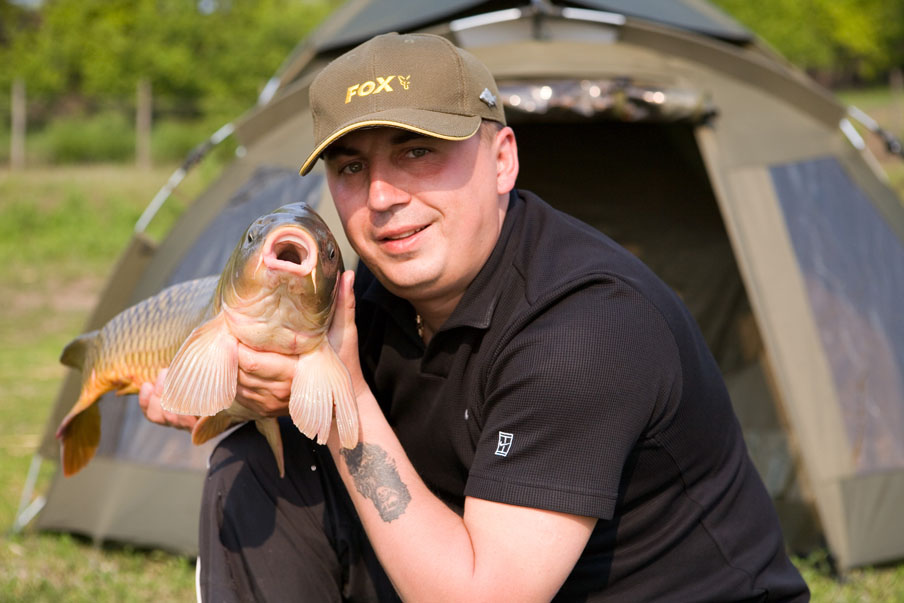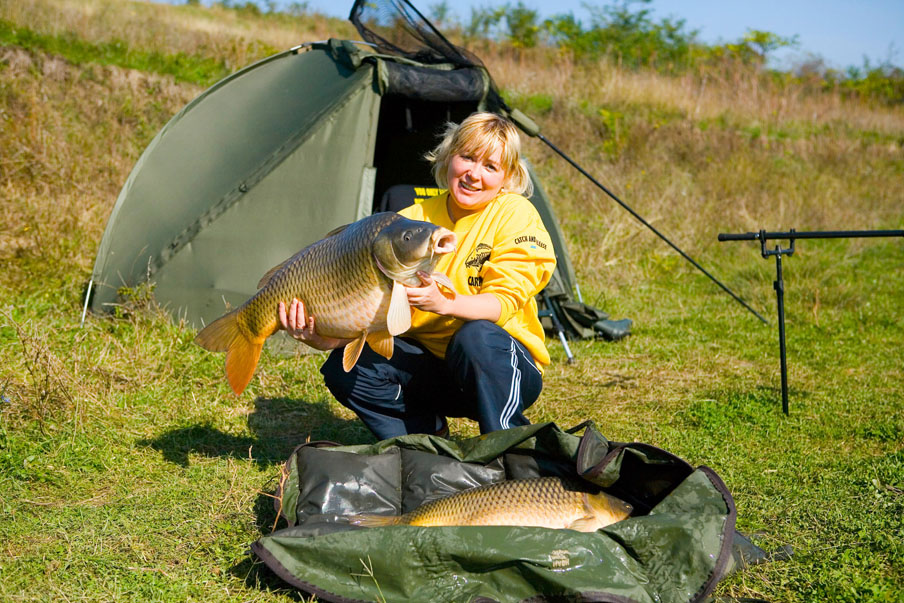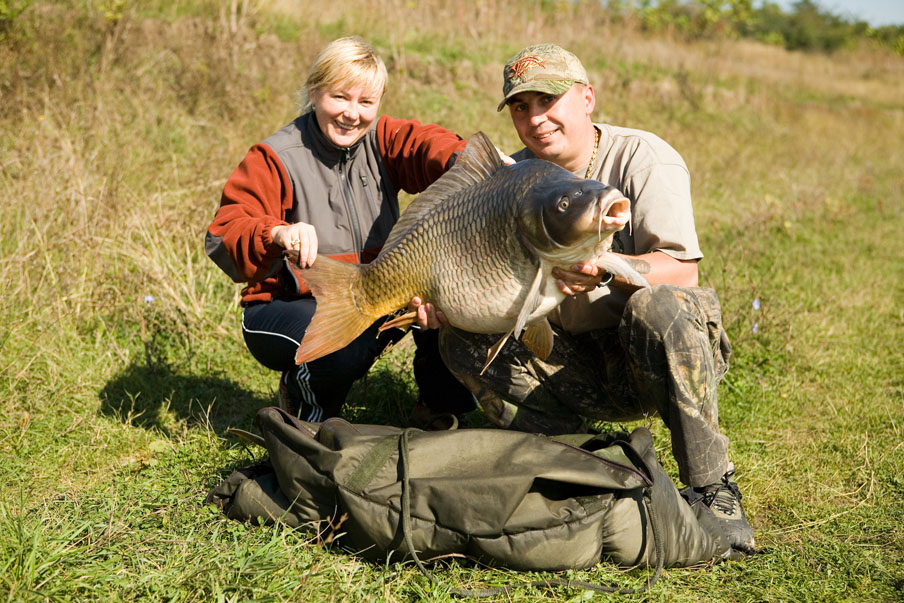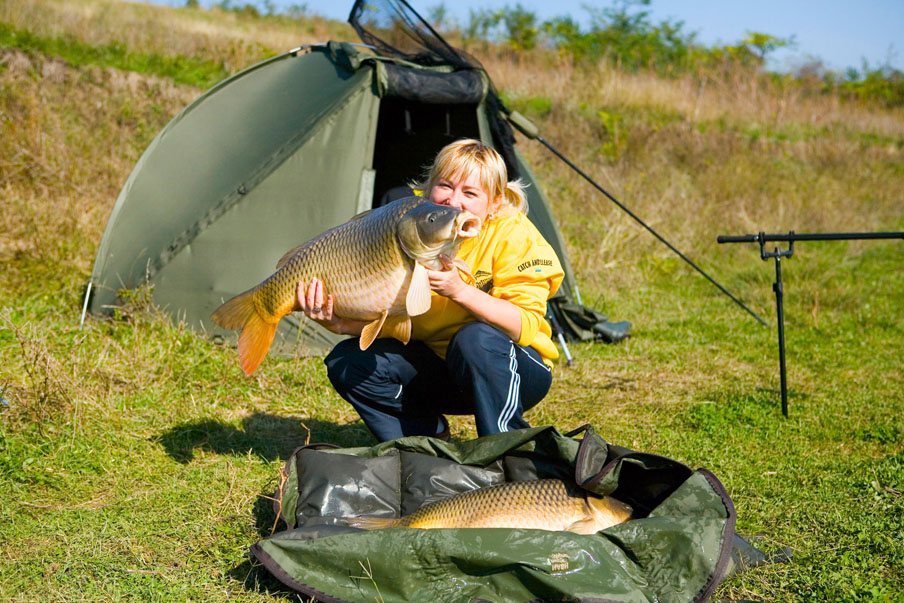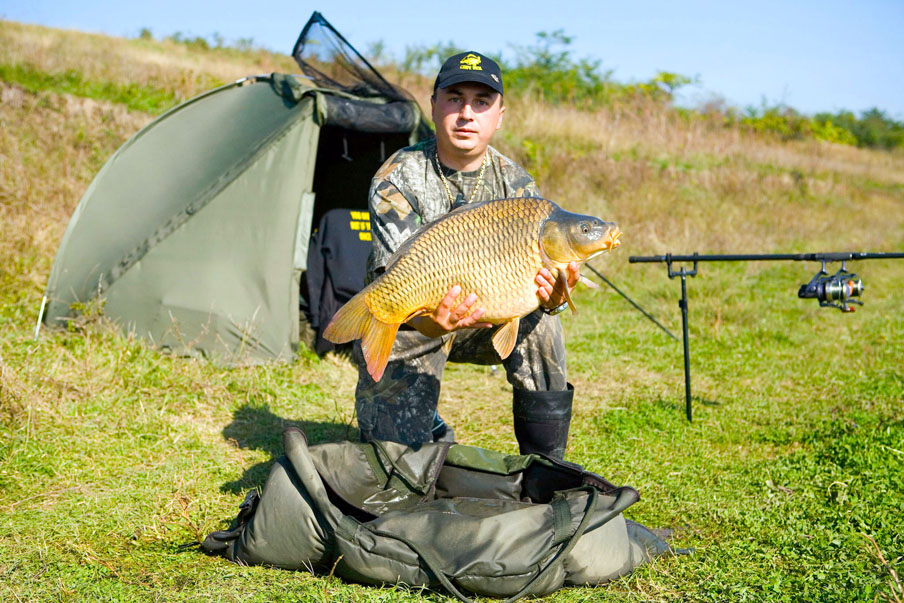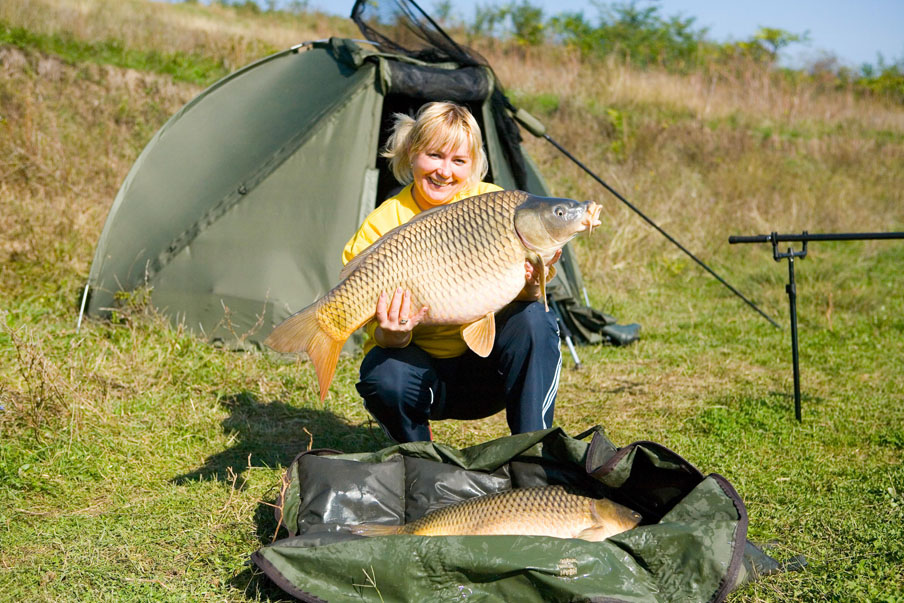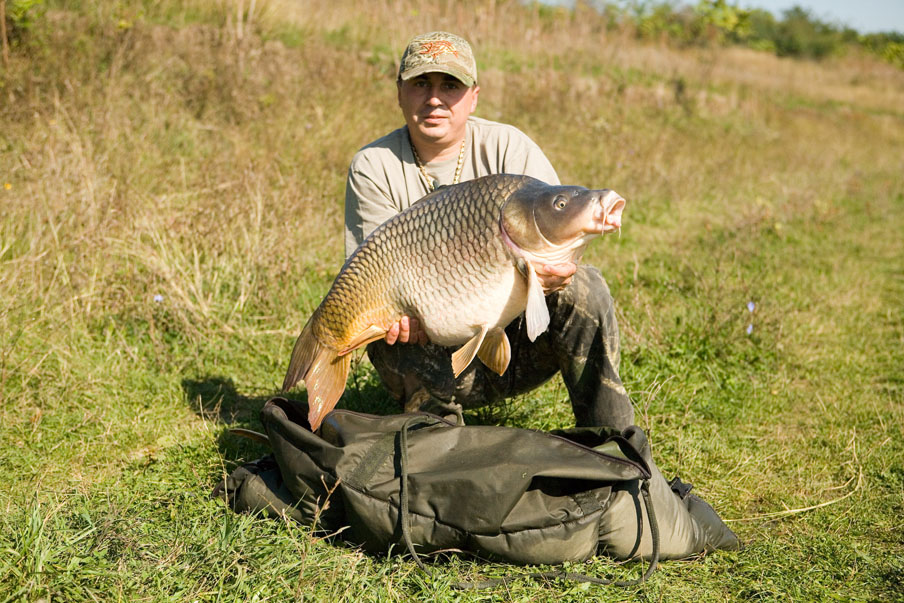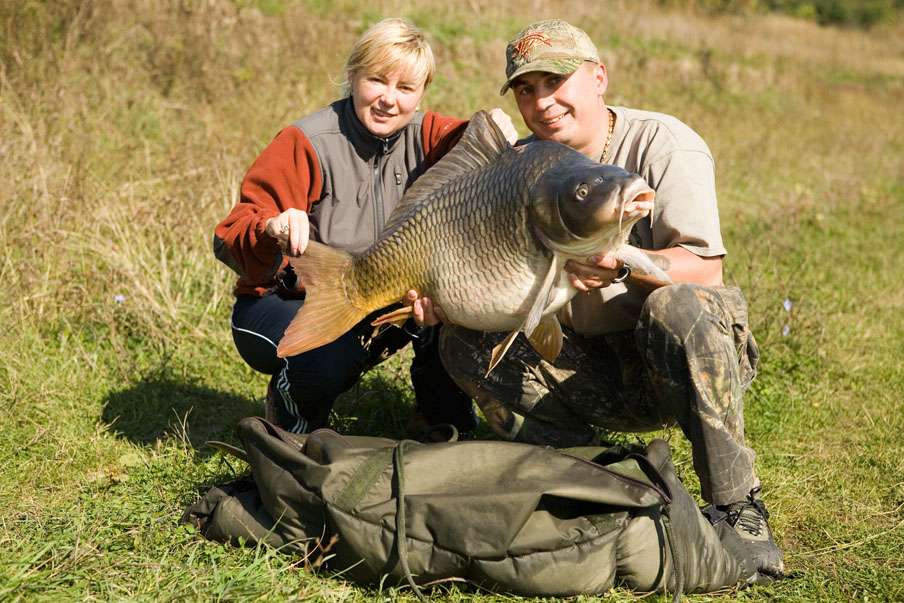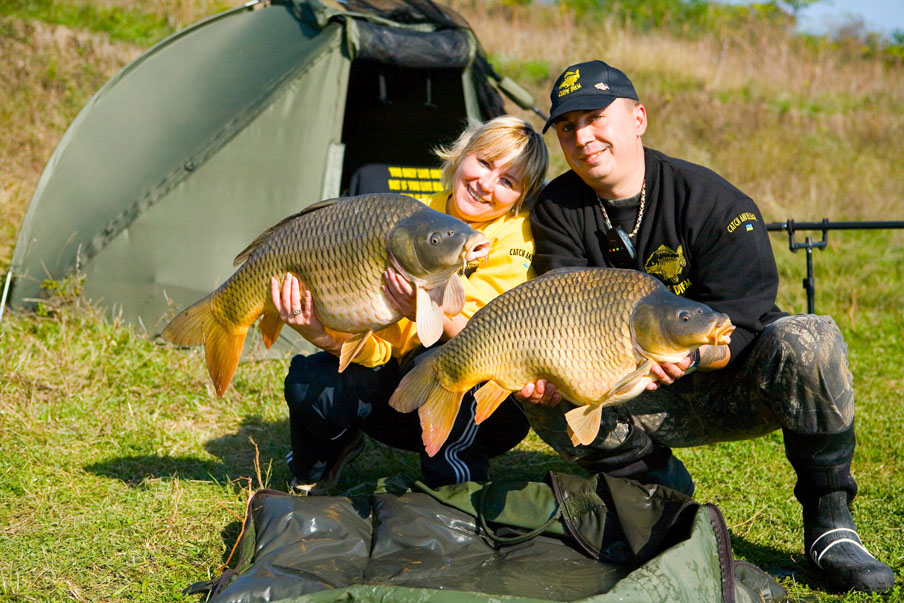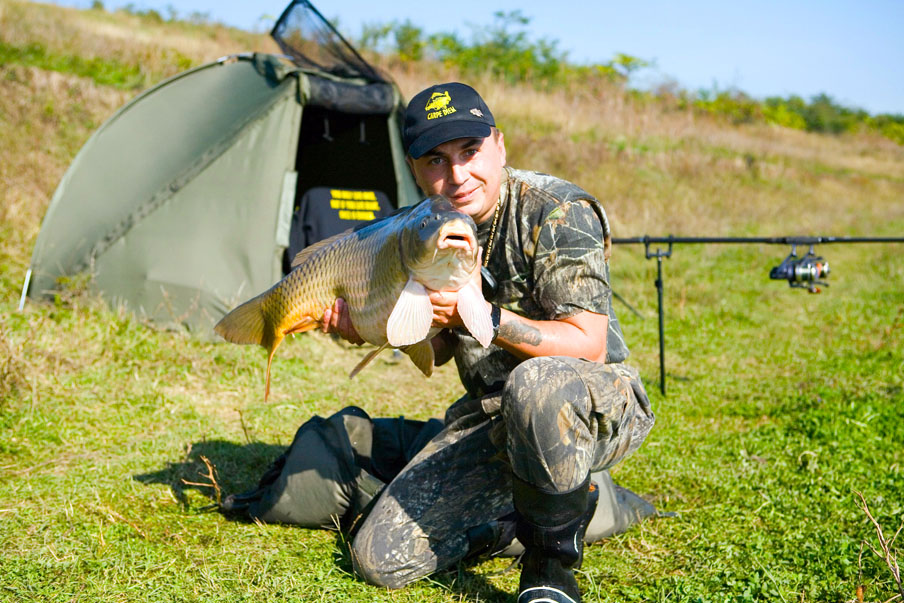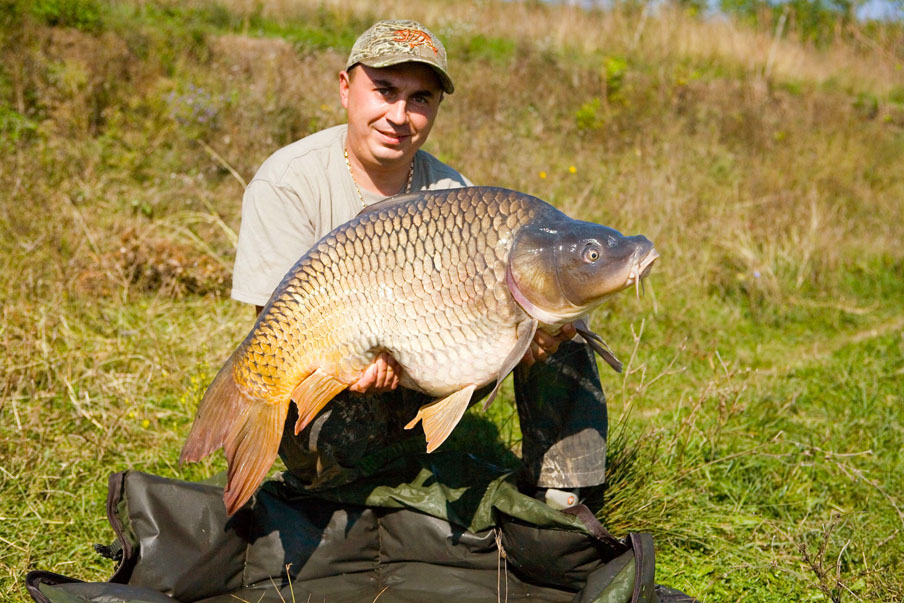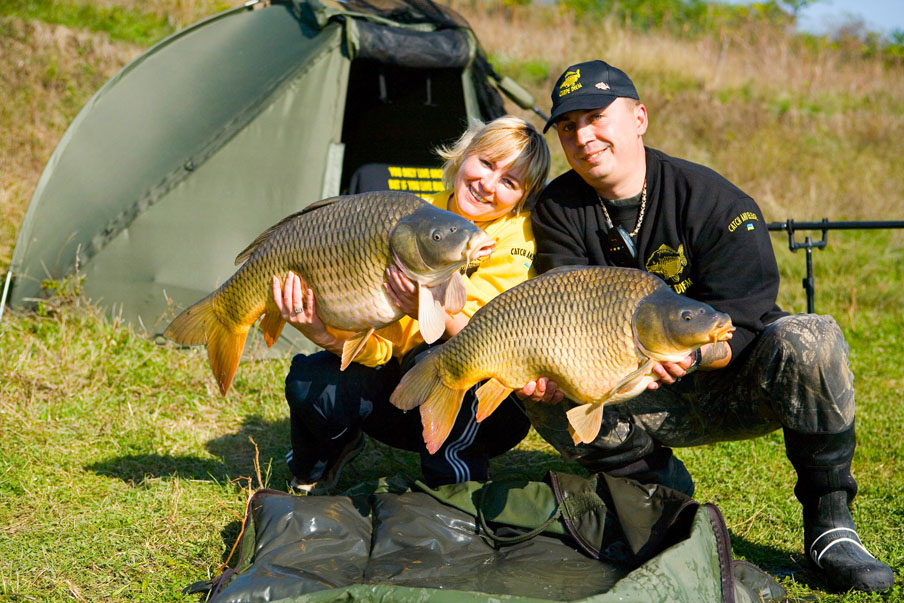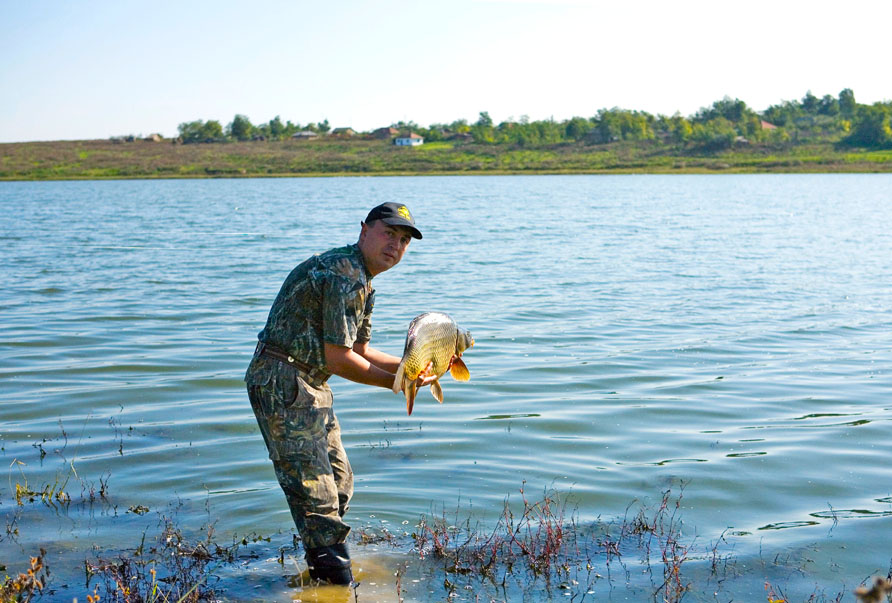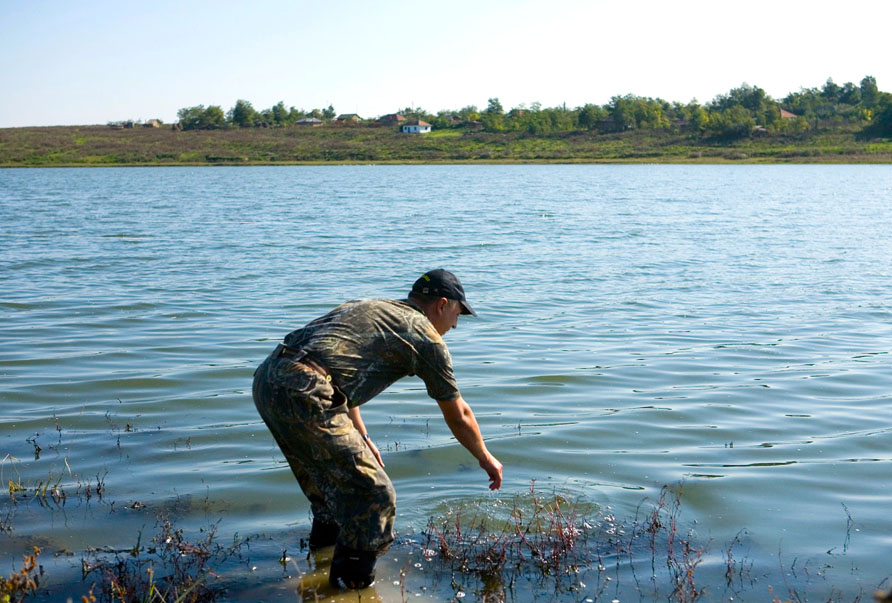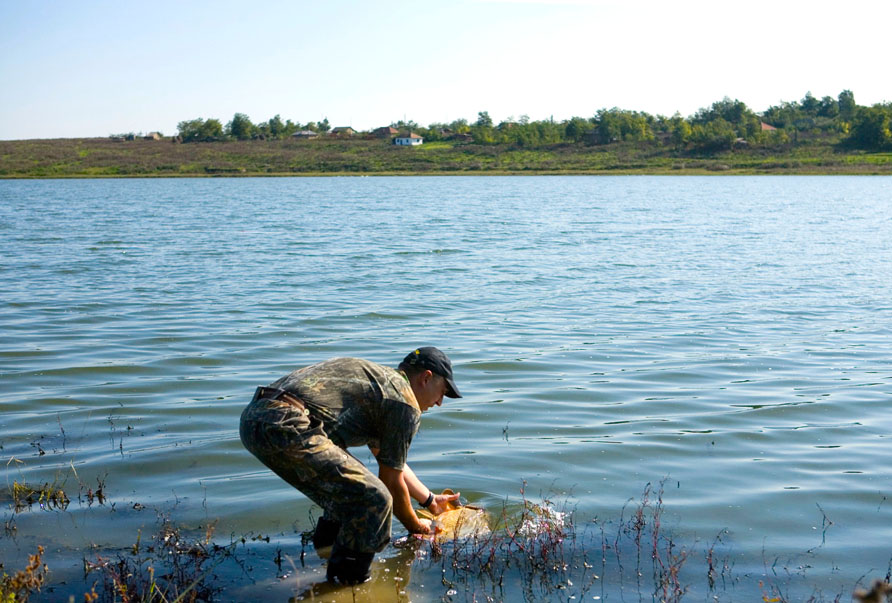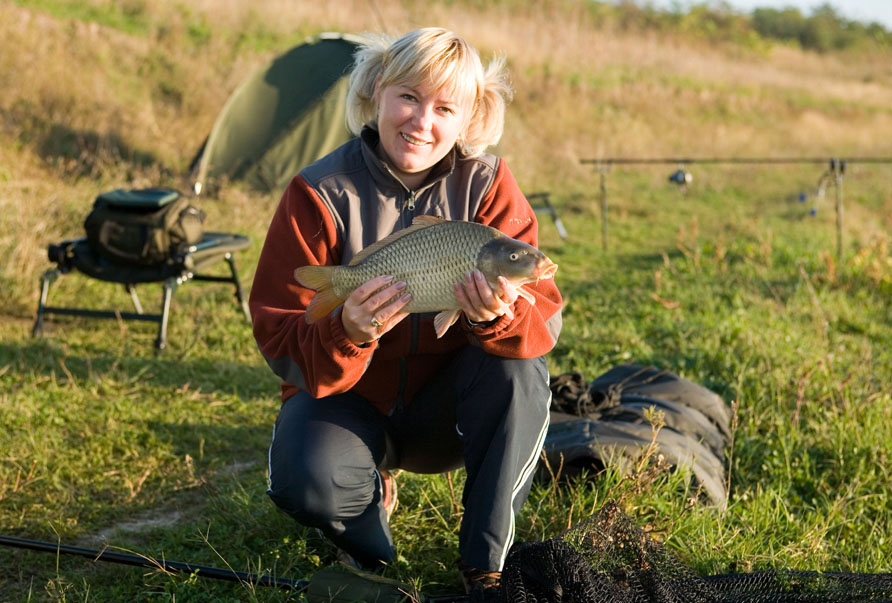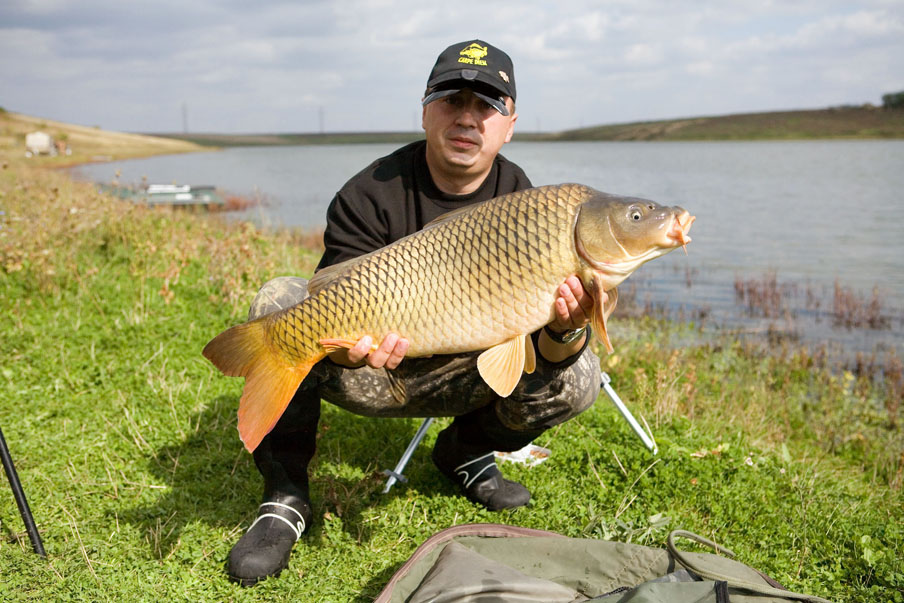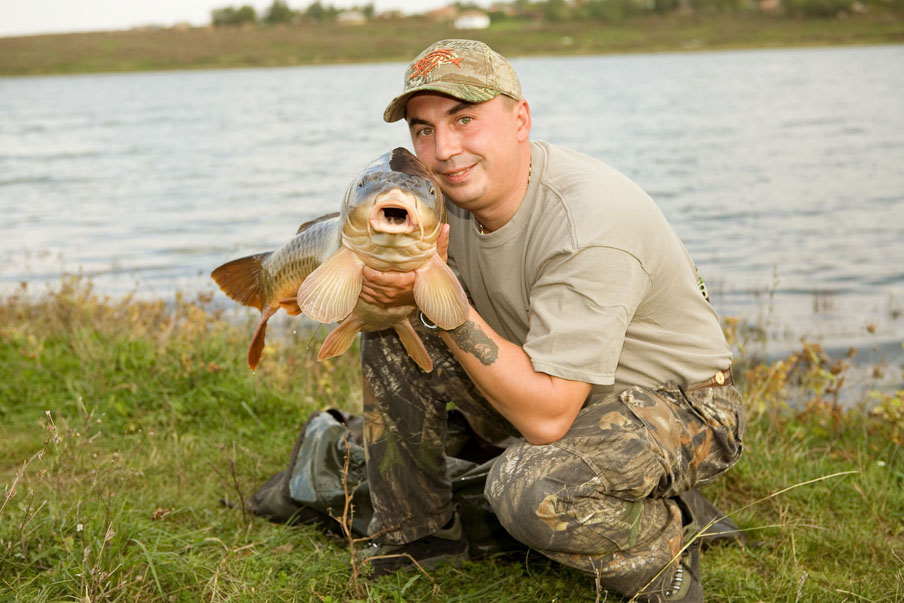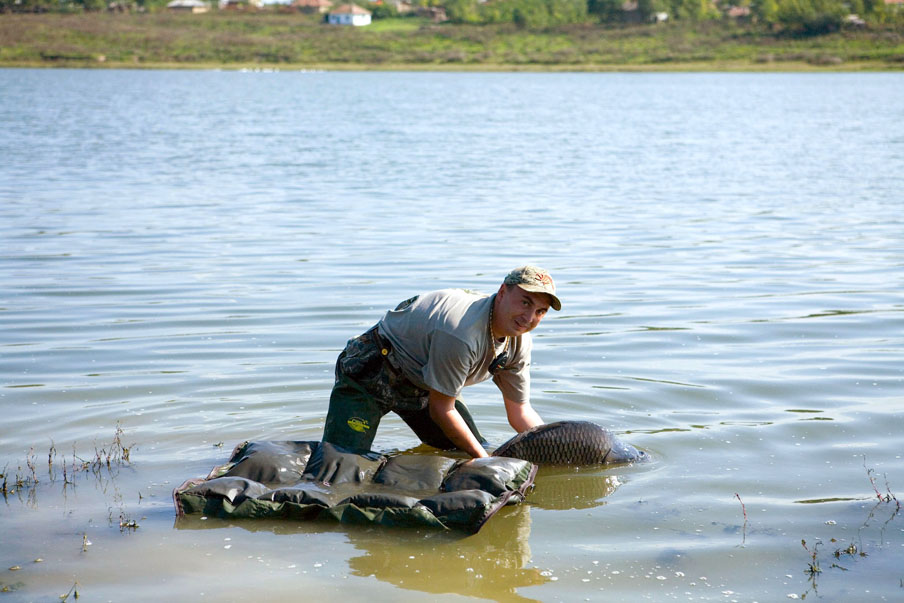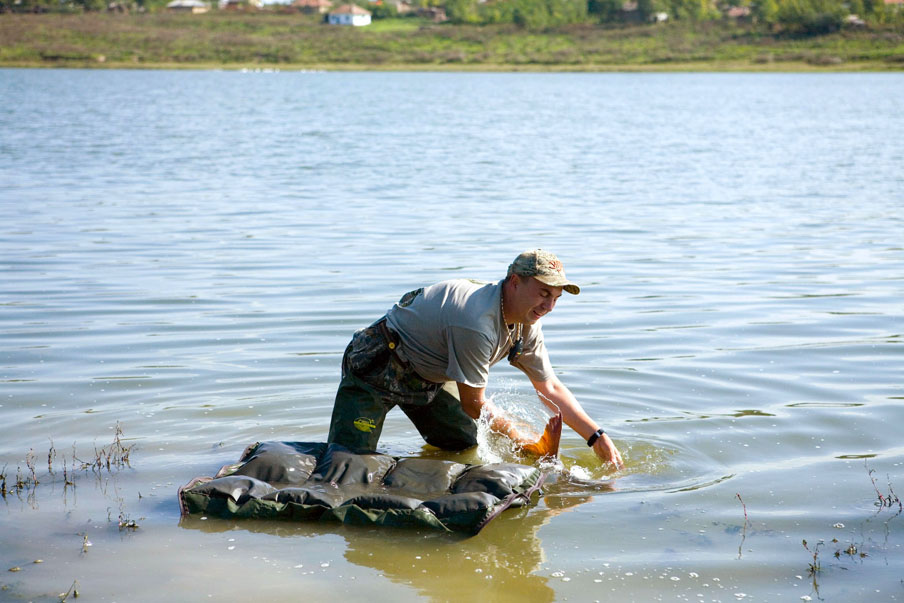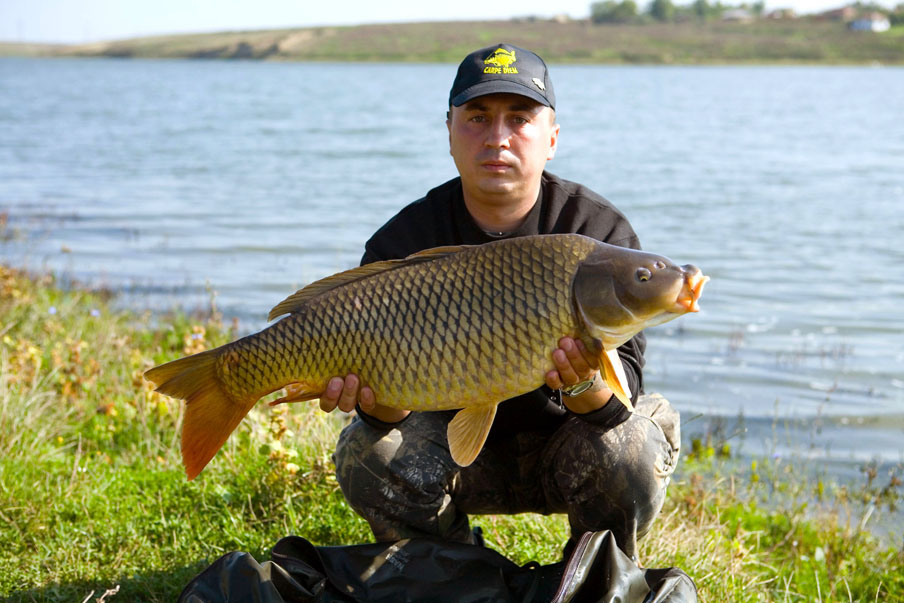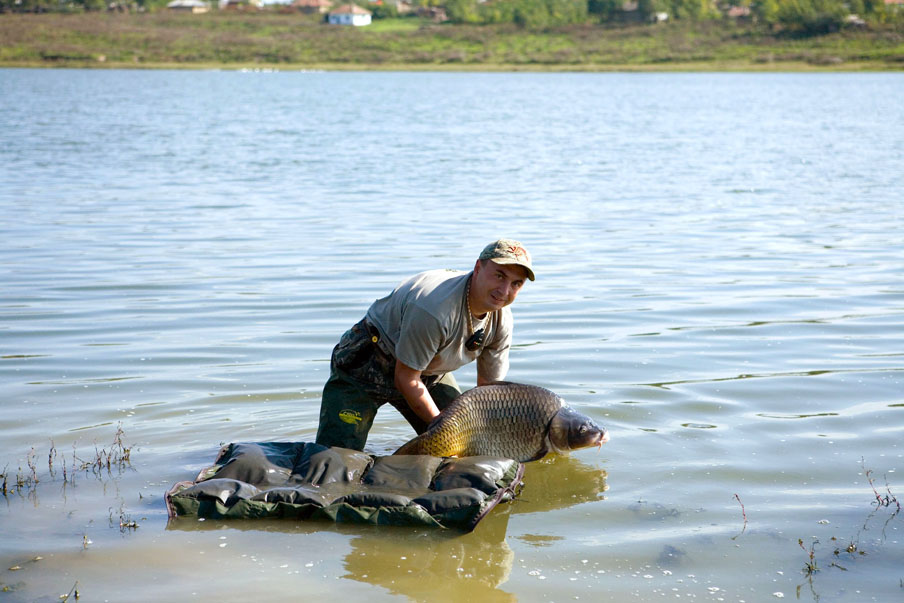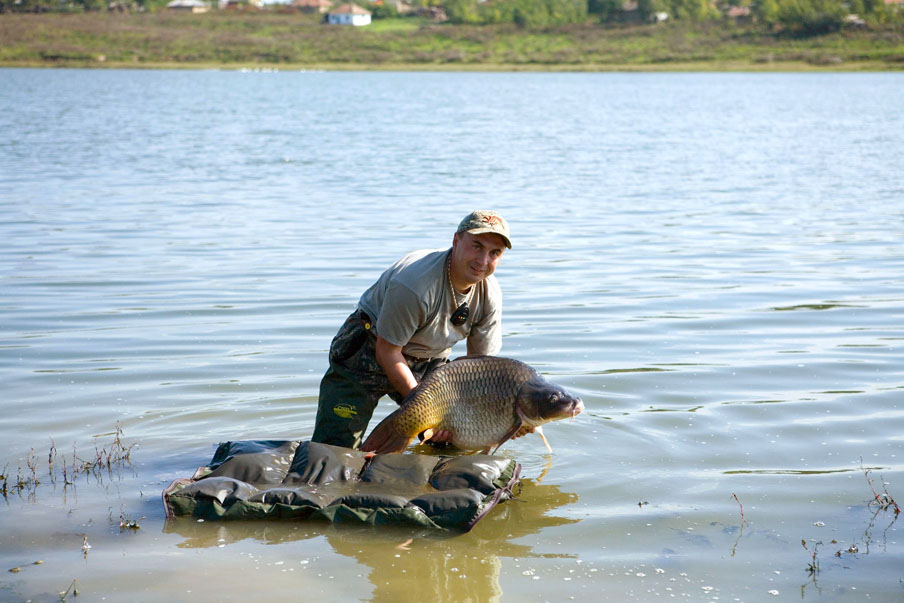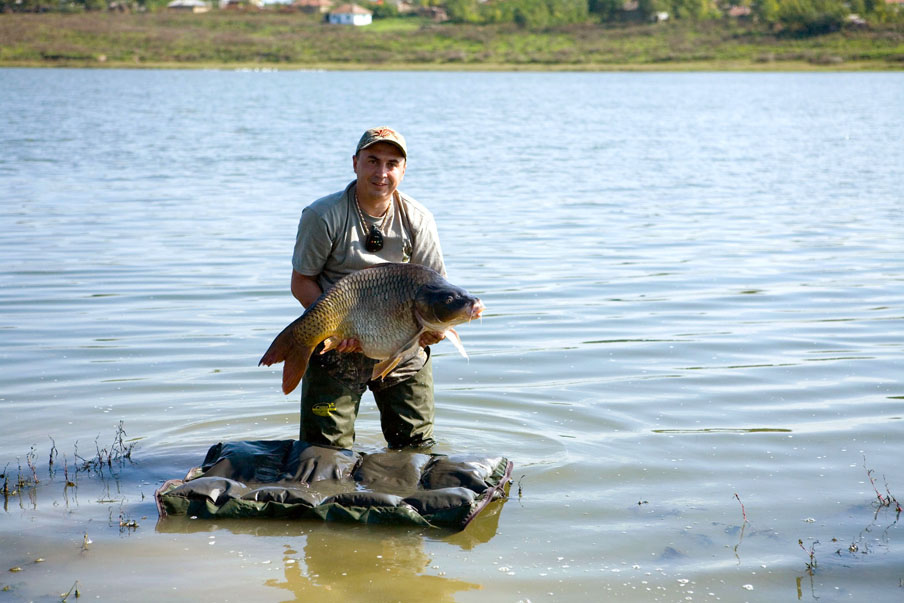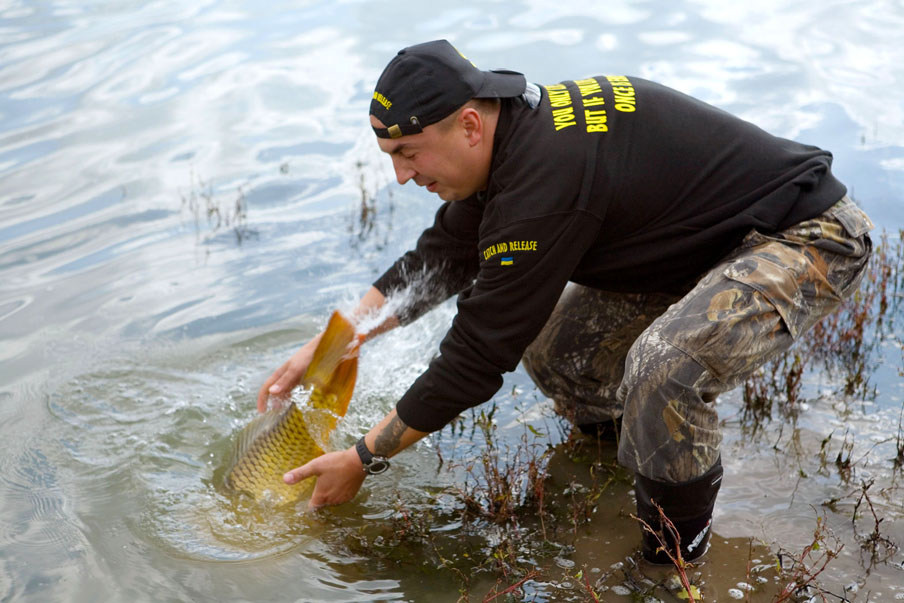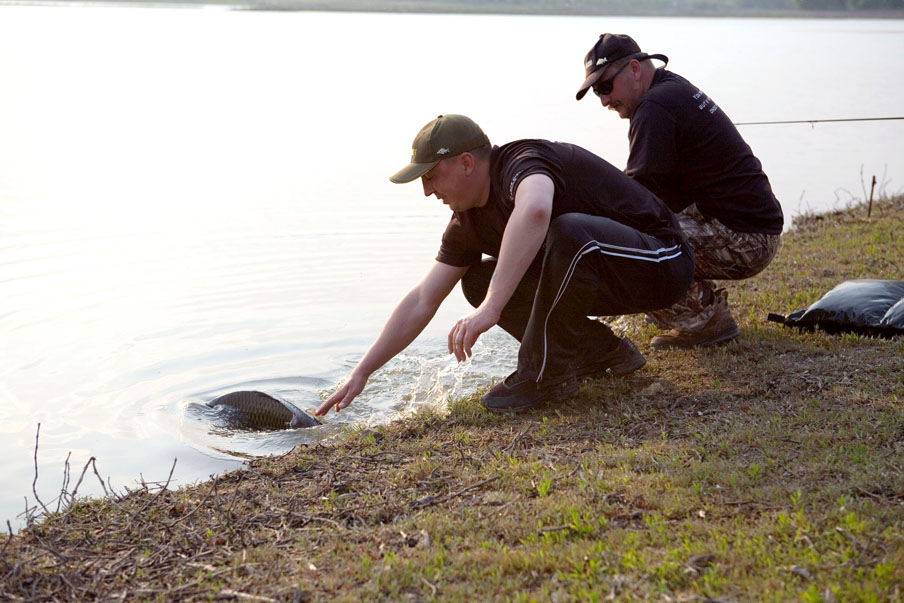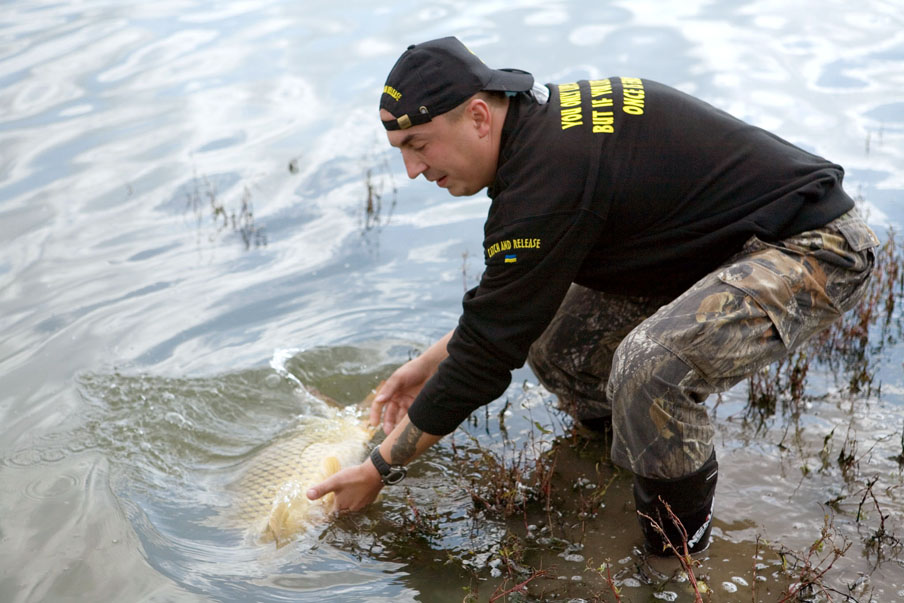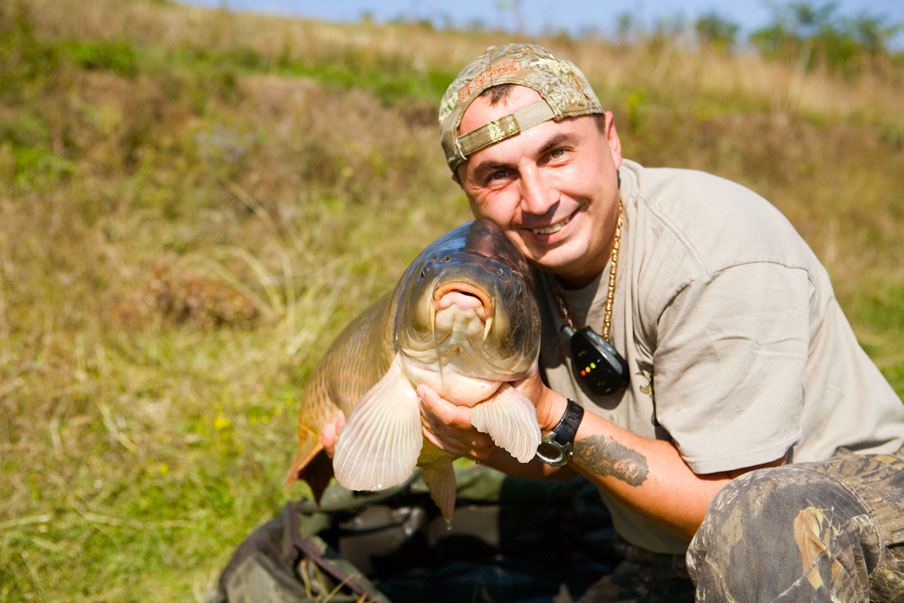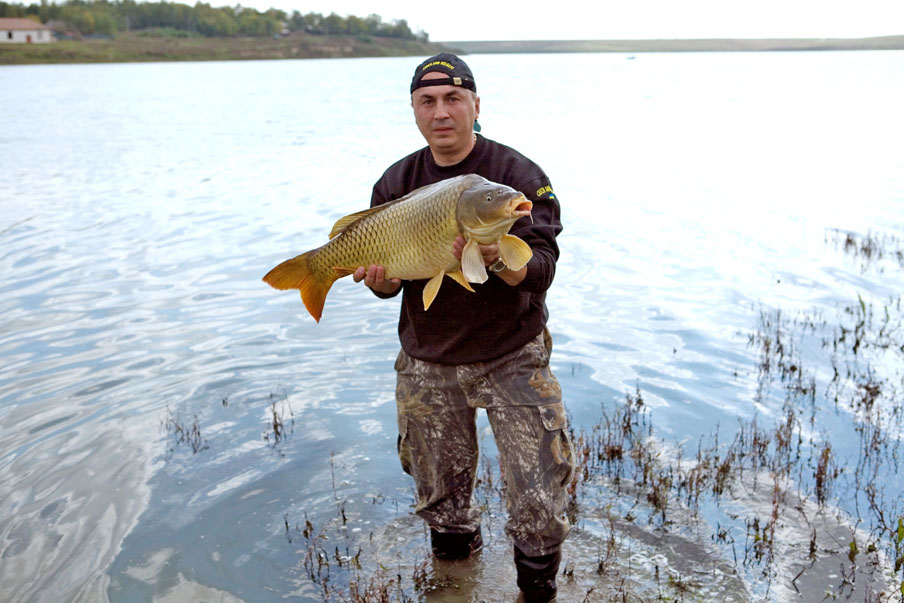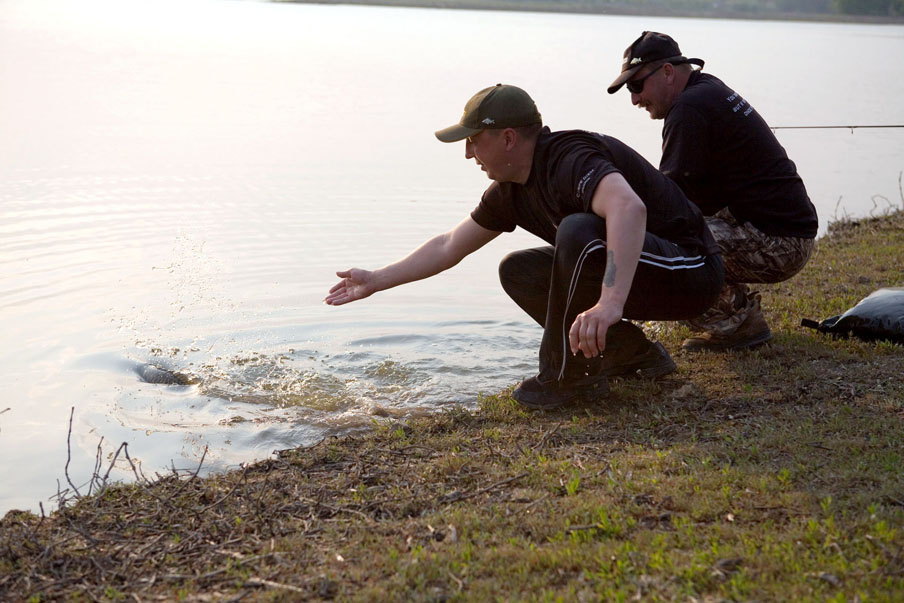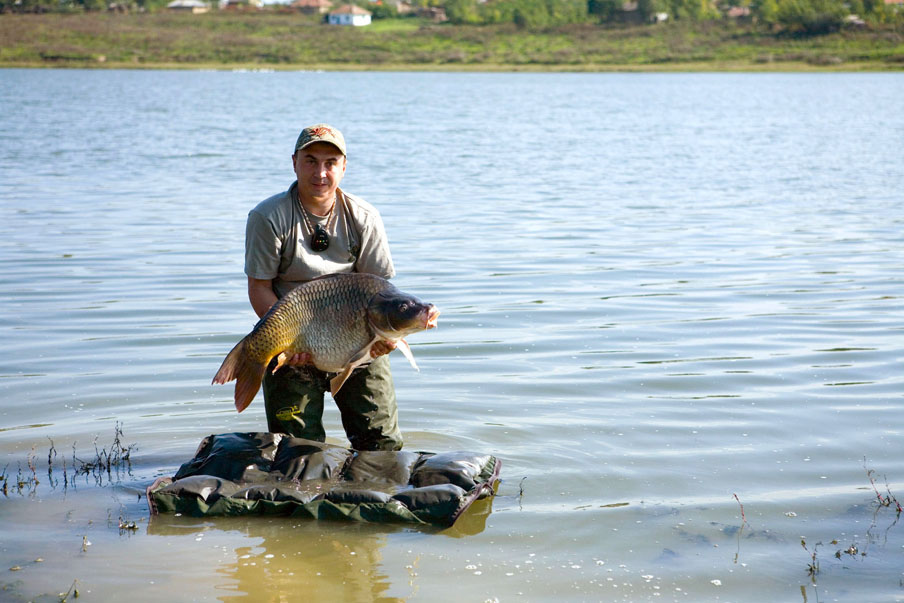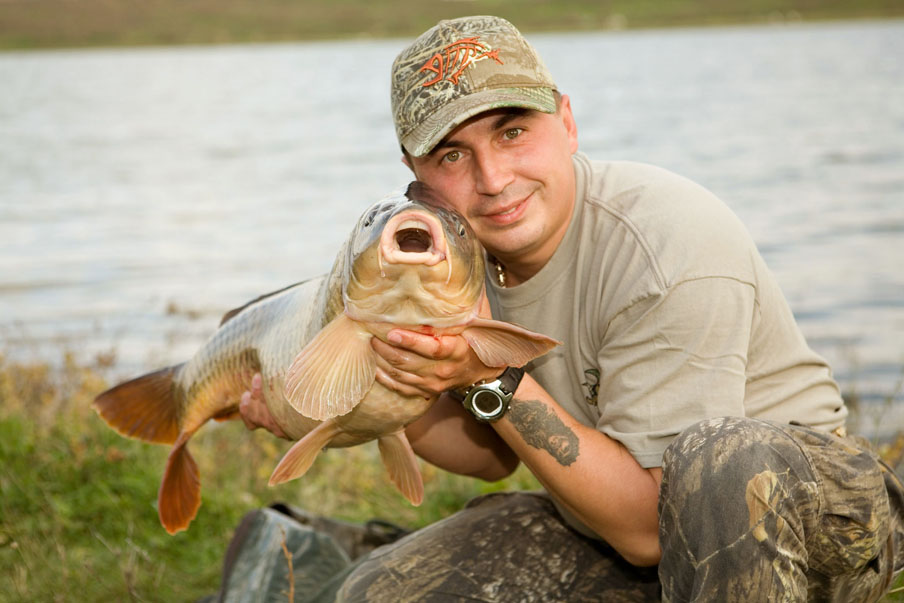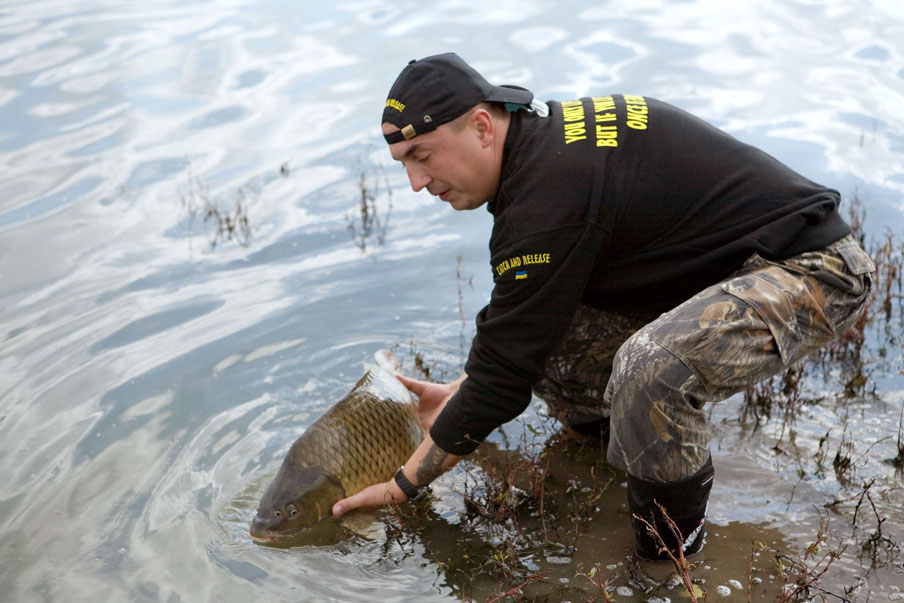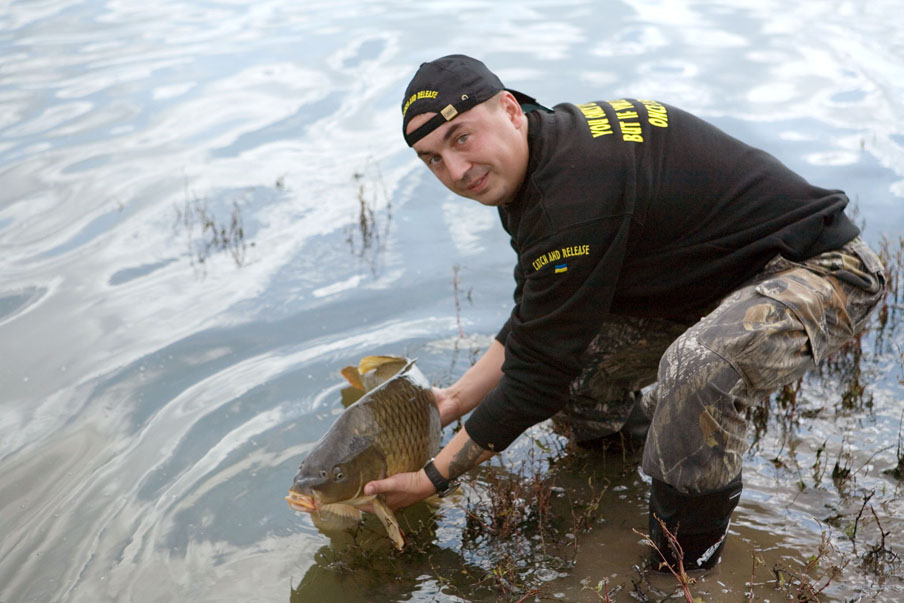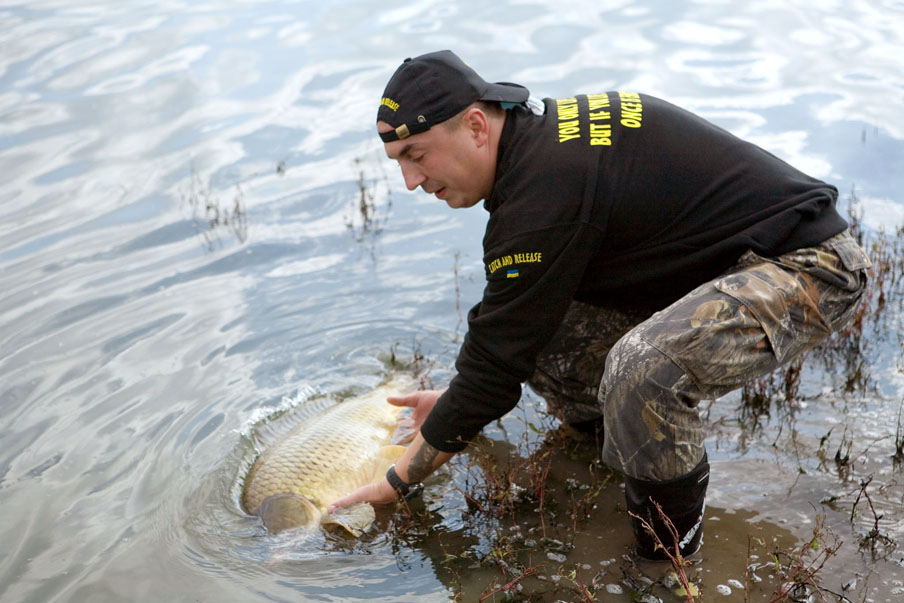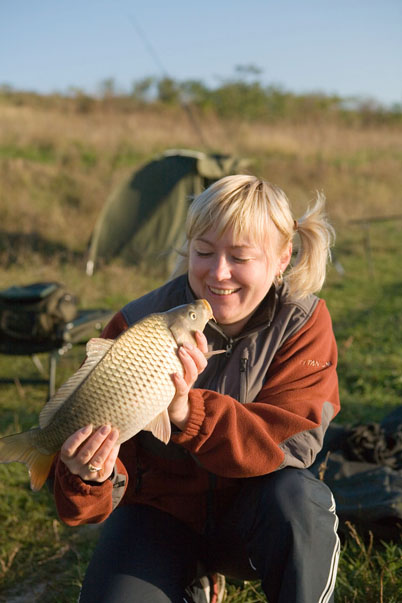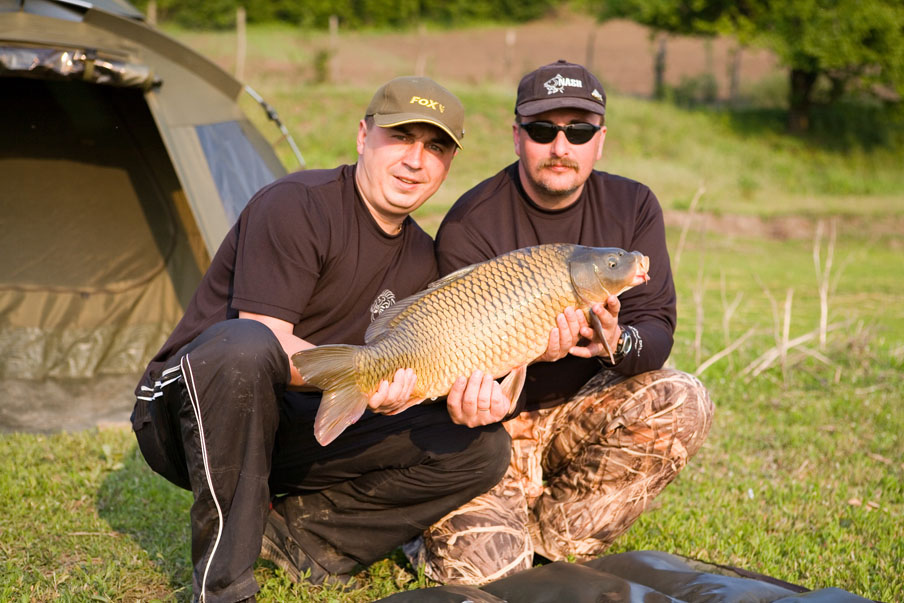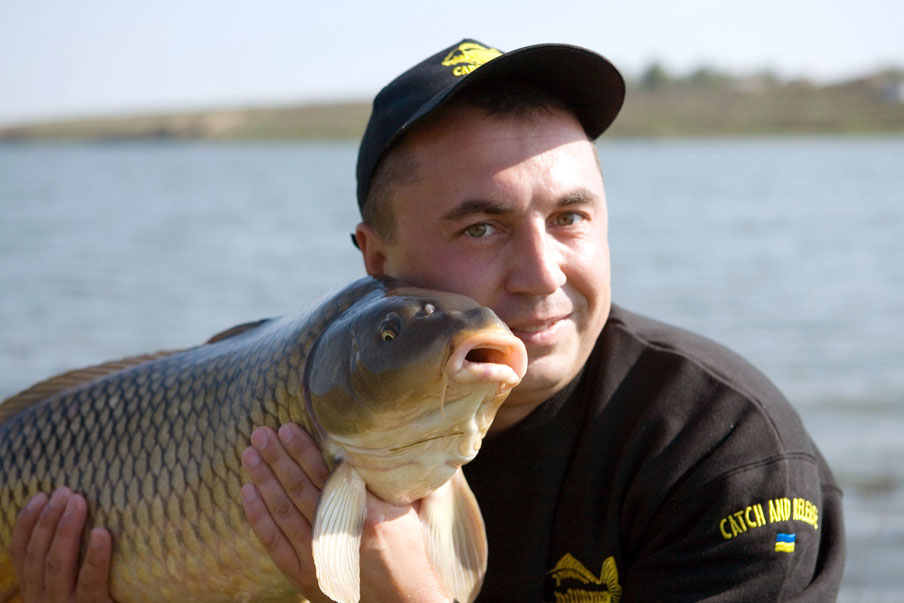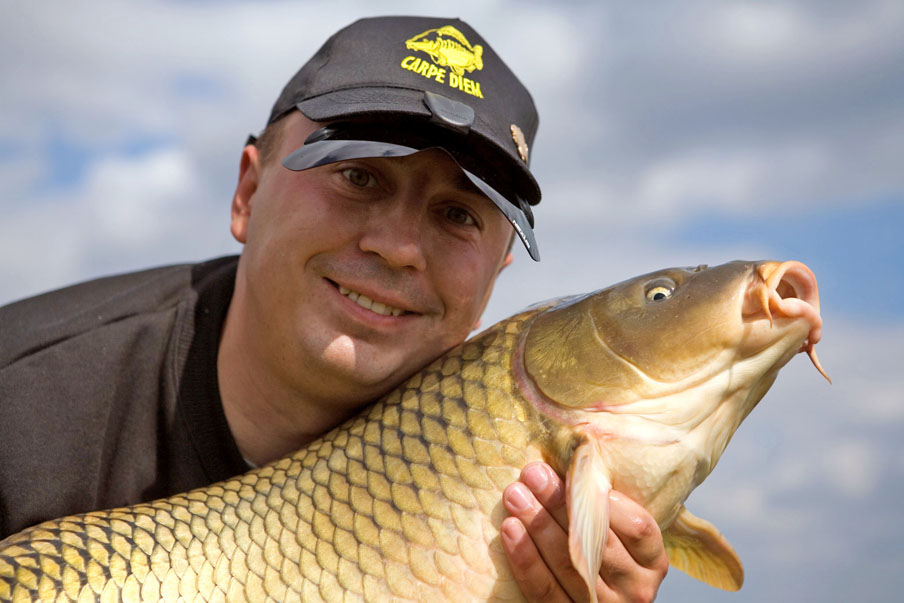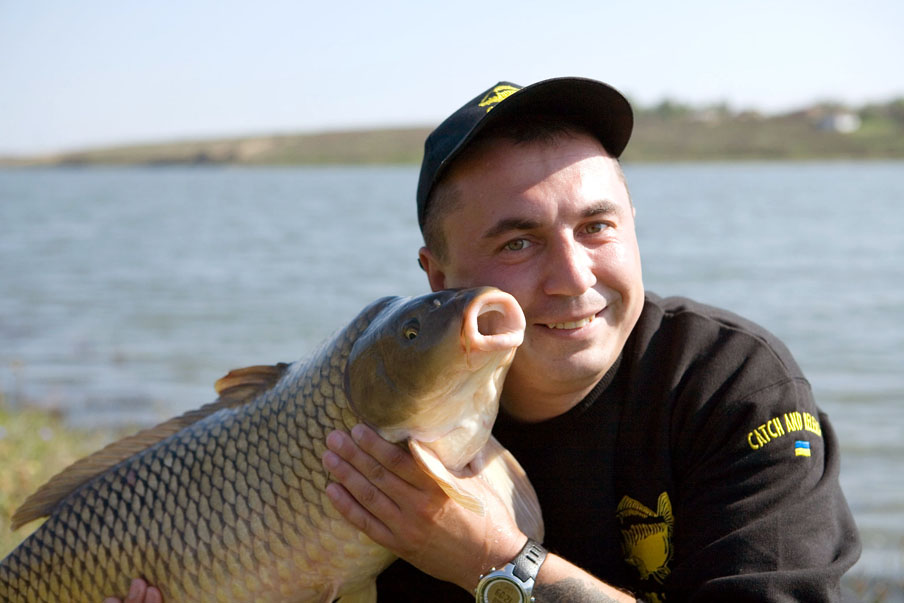
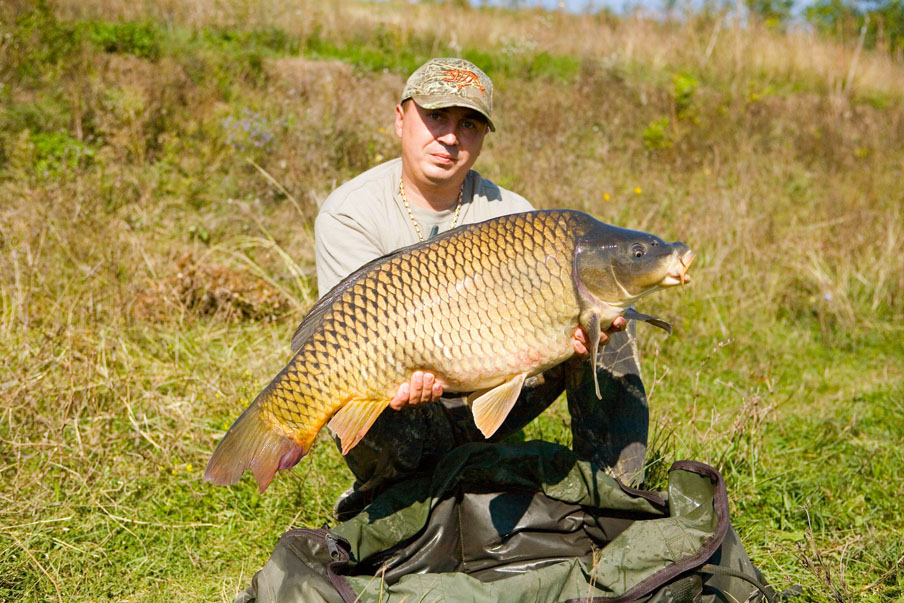
For an angler who wants to catch a trophy carp with a fly rod, one of the many lakes in Romania, such as Lake Raduta, is the best place. This is exactly the water body that Yuriy Dyachenko visited during his latest trip. Romania is a country in Southeastern Europe, partially located in the northeastern part of the Balkan Peninsula. To the southeast, it is washed by the waters of the Black Sea. It borders Ukraine to the north, Moldova to the east, Hungary to the northwest, Serbia to the west, and Bulgaria to the south.
Romania covers an area of 238,391 km² and is the largest country in Southeastern Europe and the 12th largest in Europe overall. The territory of Romania is characterized by a roughly equal mix of mountainous, hilly, and flat landscapes. The Carpathian Mountains stretch across the entire country, from the border with Serbia, dominating central Romania, with 14 mountain ranges. Romania is located in a continental climate zone, characterized by cold winters and warm summers. The average annual temperature ranges from 11°C in the south to 8°C in the north.
Fishing in Romania is possible year-round, and there are plenty of water bodies for this activity. The mighty Danube River, with its numerous tributaries and the famous delta, is worth mentioning. There are around 3,000 lakes scattered across Romania, and almost all of them are rich in fish. Naturally, anglers are also attracted to the coastal areas, where, if you’re lucky, you can catch anchovies, mackerel, or flounder. The most popular fish in the country include carp, pike, asp, perch, and bream.
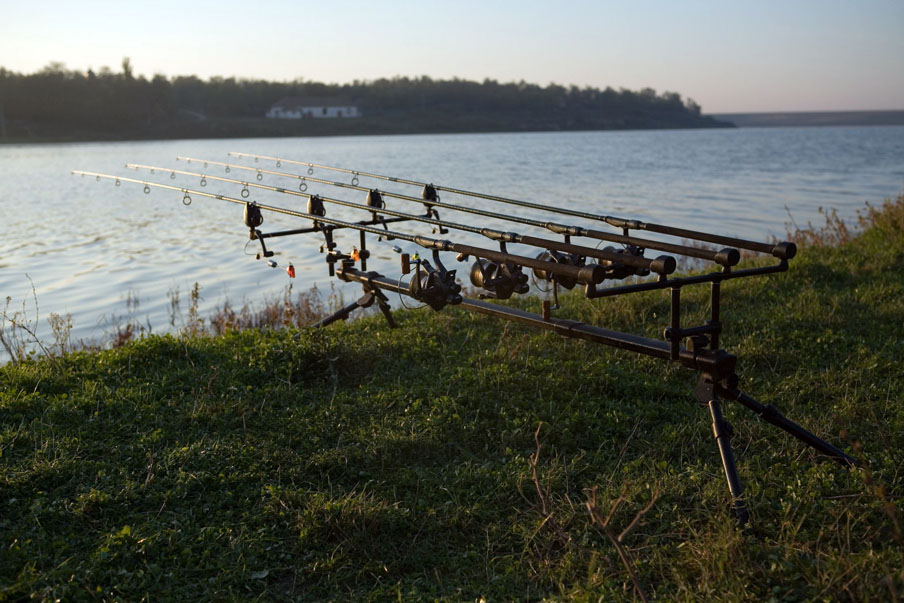
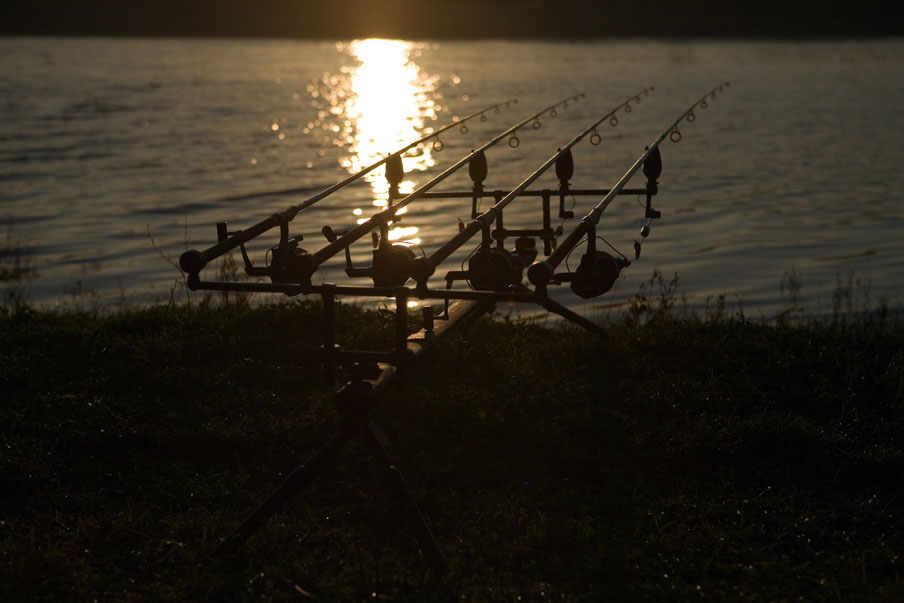
Lake Raduta, which Yuriy visited, is a famous and one of the most challenging lakes in the world. This body of water is the Mecca for world champions in carp fishing. Vast in size (over 200 hectares) and incredibly complex, the lake is essentially a flooded valley with trees and other debris where giant carp like to hide. The lake’s record was set by a carp weighing 37 kg, caught in May 1998. Surprisingly, carp responds very well to flies. Yuriy shared with us the equipment he used during this expedition, namely fly rods from classes 3 to 6, depending on the fishing conditions. The reel must withstand the load in case of a catch, so a good drag system is essential. You also need to have at least 50 meters of backing on the reel because even a carp weighing 1.5 kg can spool out all the line. It is better to use a line with a long head, usually 11 meters, for a quiet fly presentation, with nylon tapered leaders, and tippet size 0.16-0.22.
As our expert notes, in summer, carp should be sought in shallow areas along the reeds. Typically, if the bottom is muddy, it will circle in places where there are shells or on sections with a hard bottom. Usually, carp gives away its presence with splashes. If a strong wind blows during fishing, you should go to the shore where the waves are hitting – this is where the food, lifted from the bottom, is washed ashore. According to Yuriy, the process of fighting even a small carp is incredible! This strong, powerful fish keeps you on edge, and given the tackle, adrenaline rushes and unforgettable memories after fishing are guaranteed! And, of course, if your trophy is a large carp, you will never forget this fishing trip and the process of catching it, and the story itself will become your “highlight” among fellow anglers!