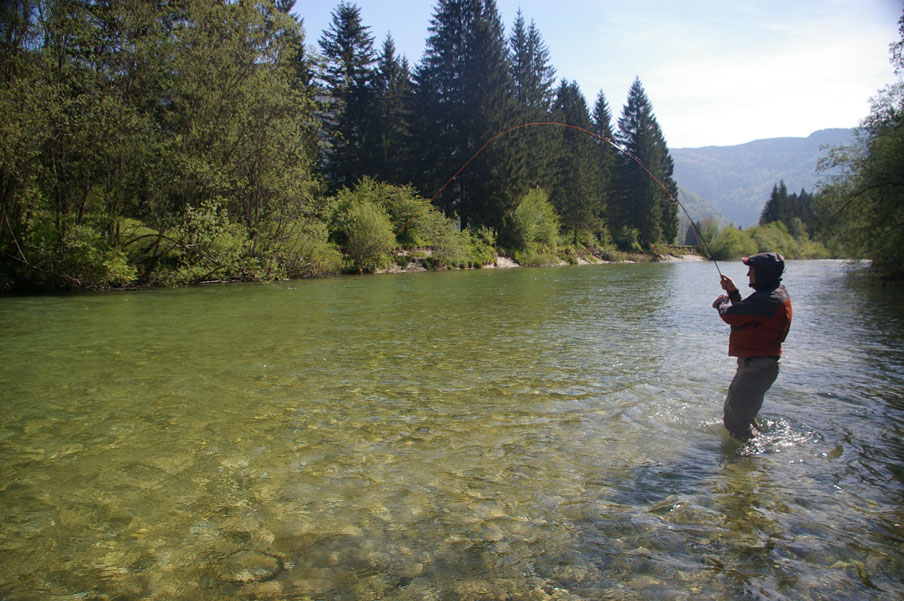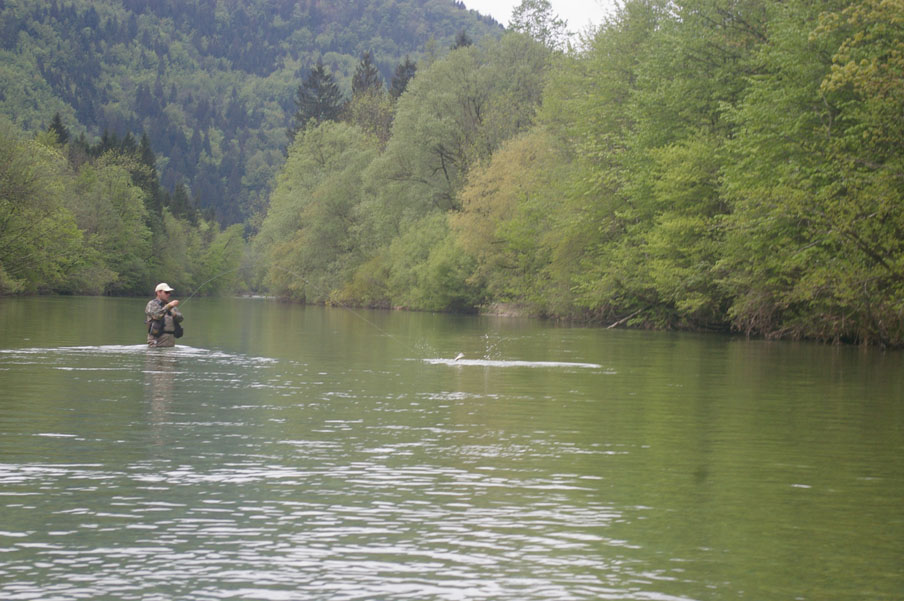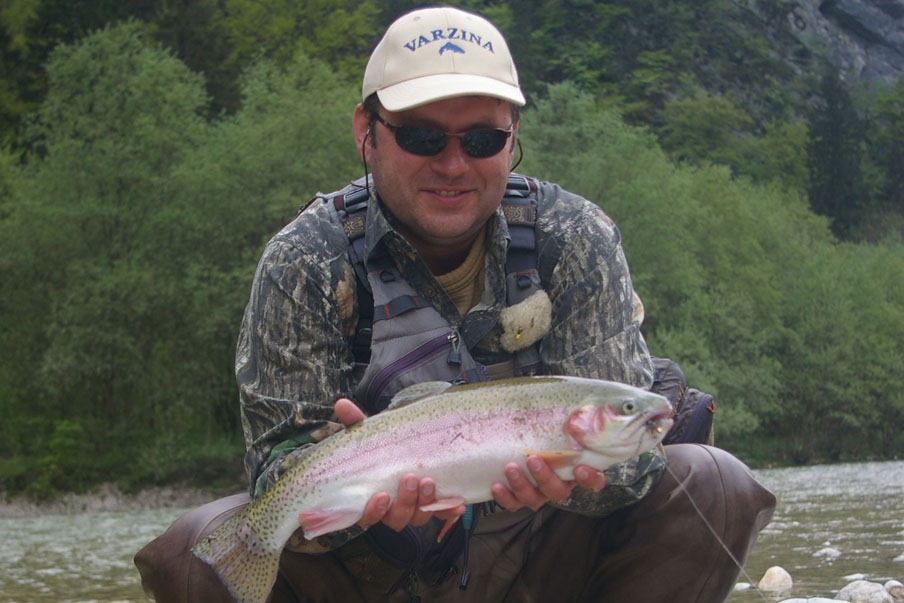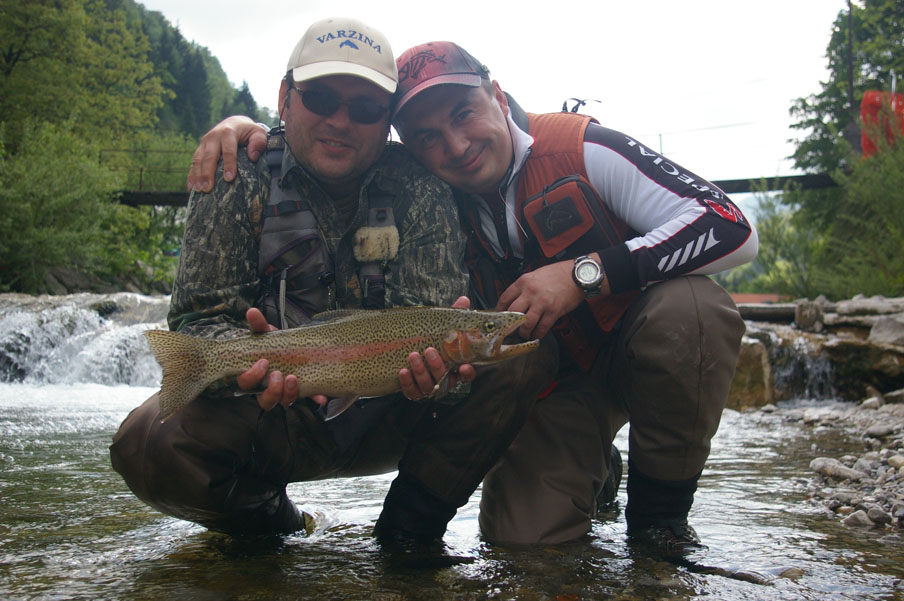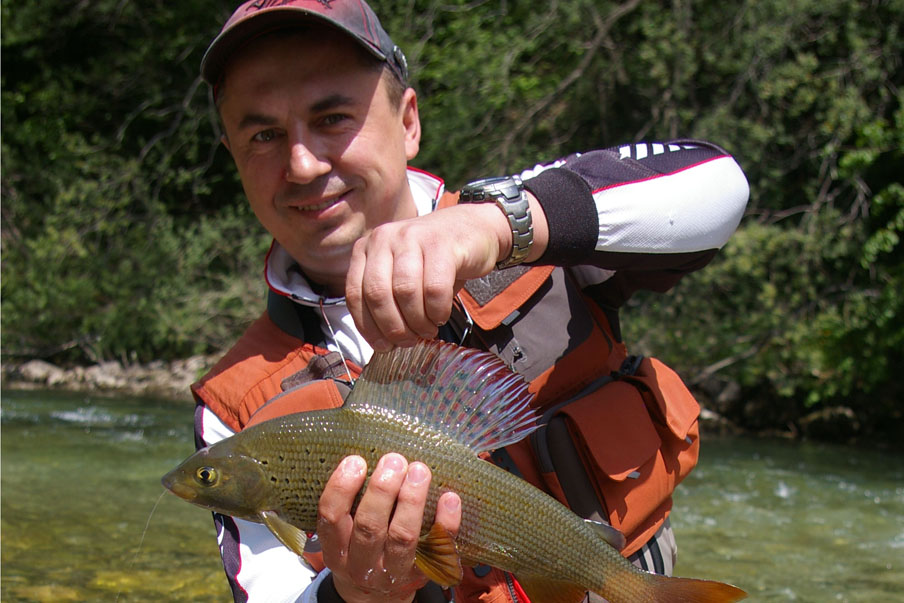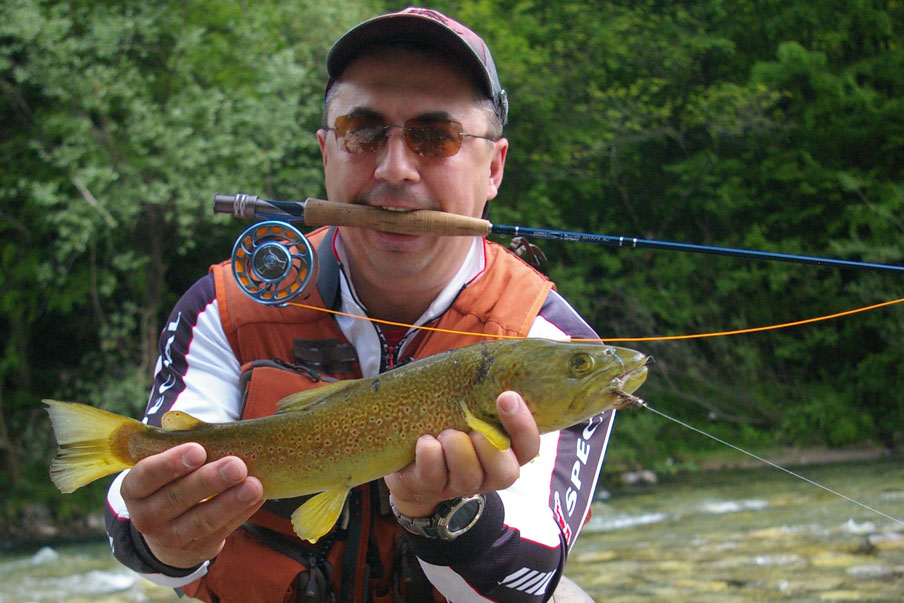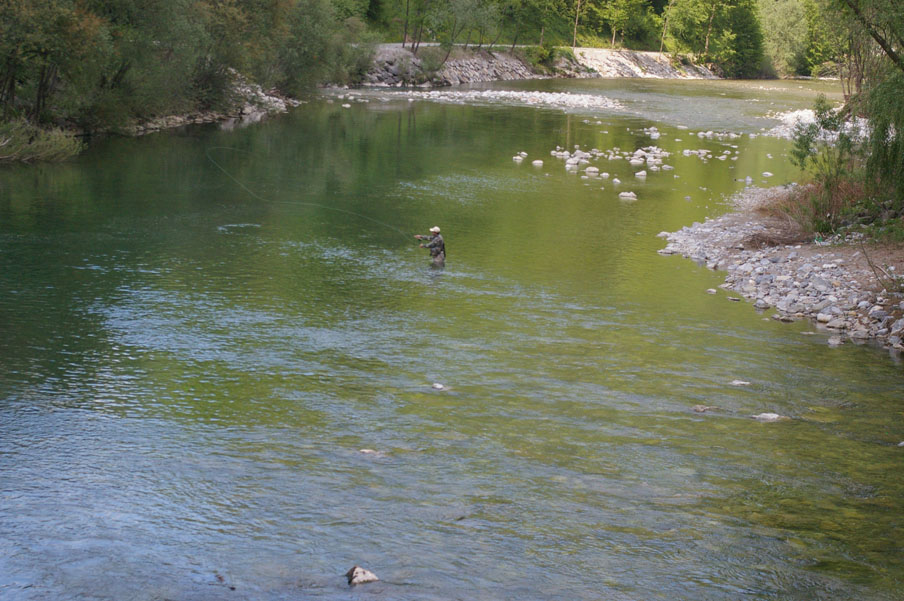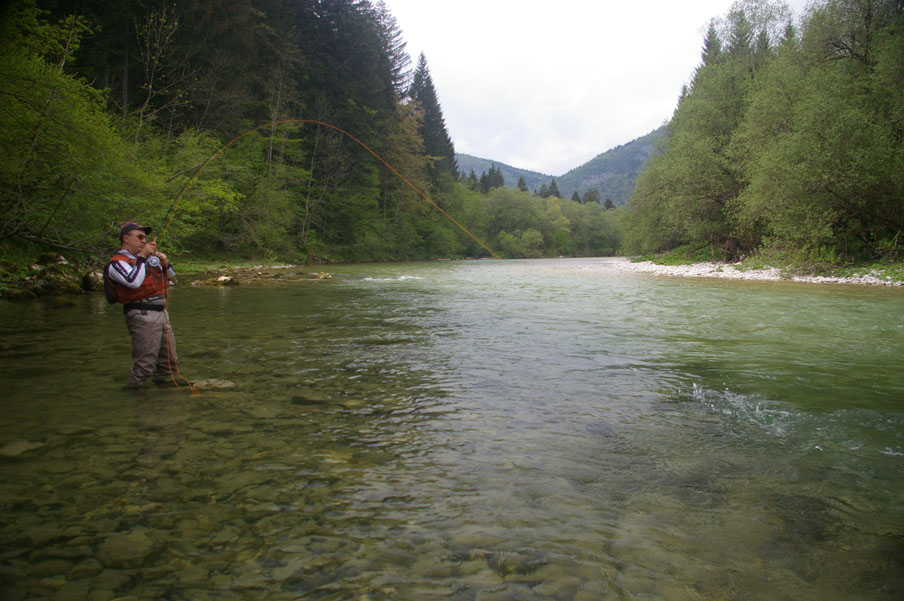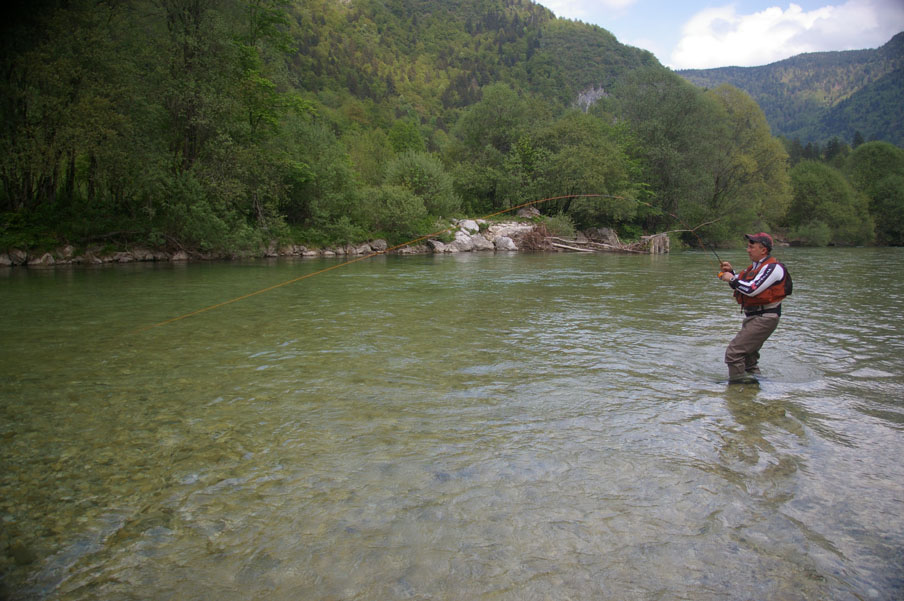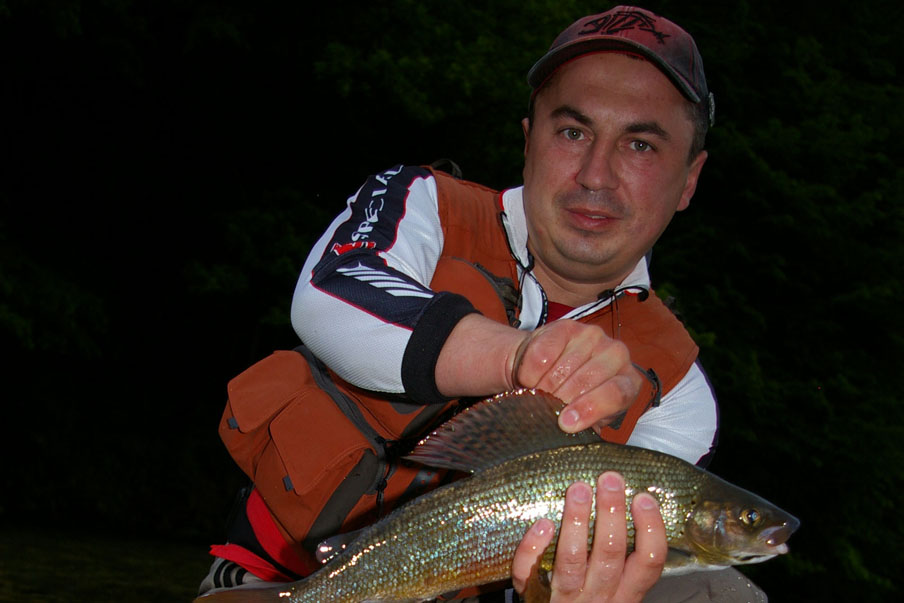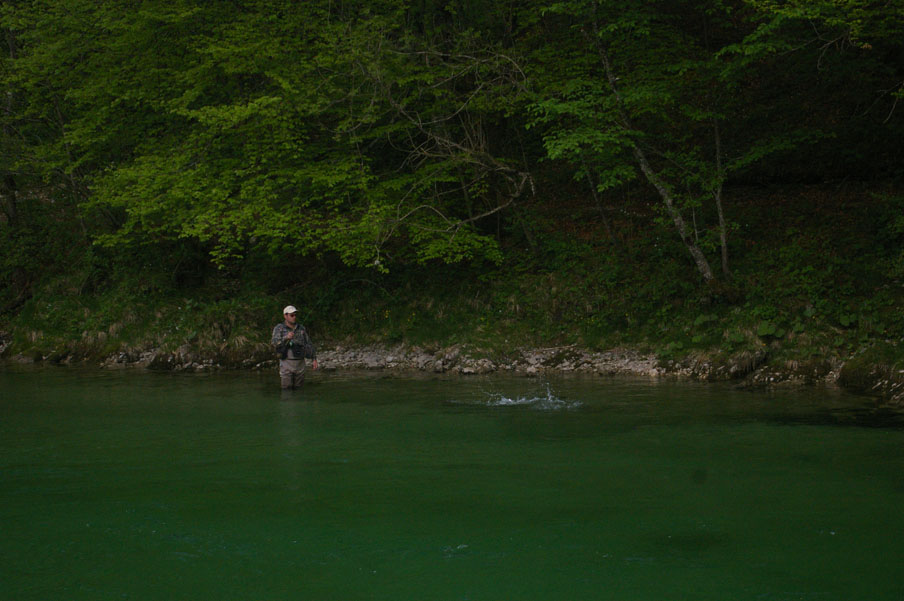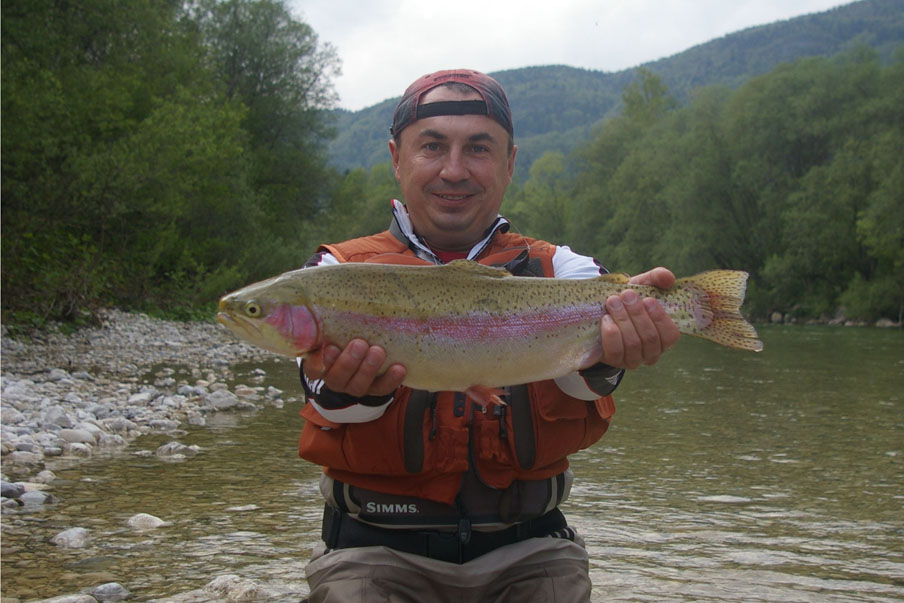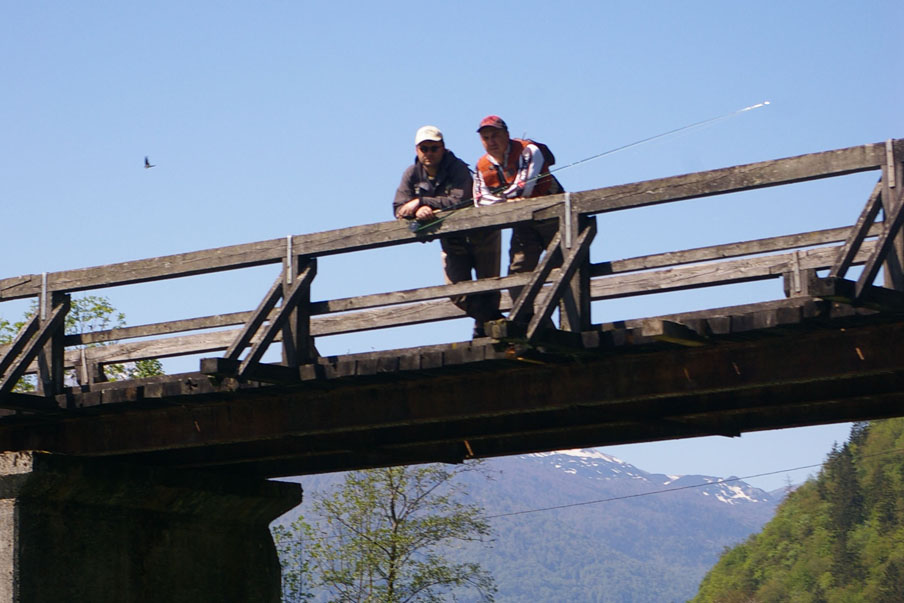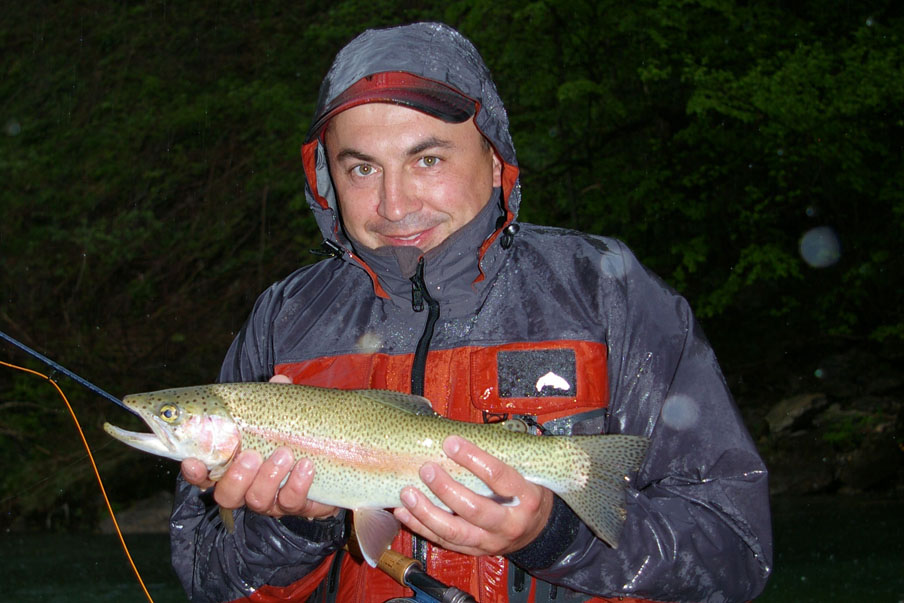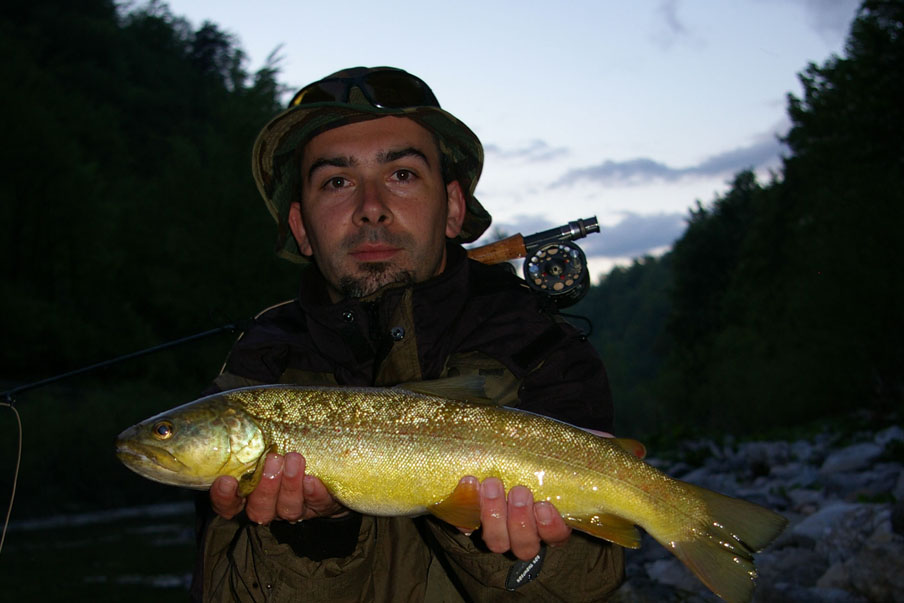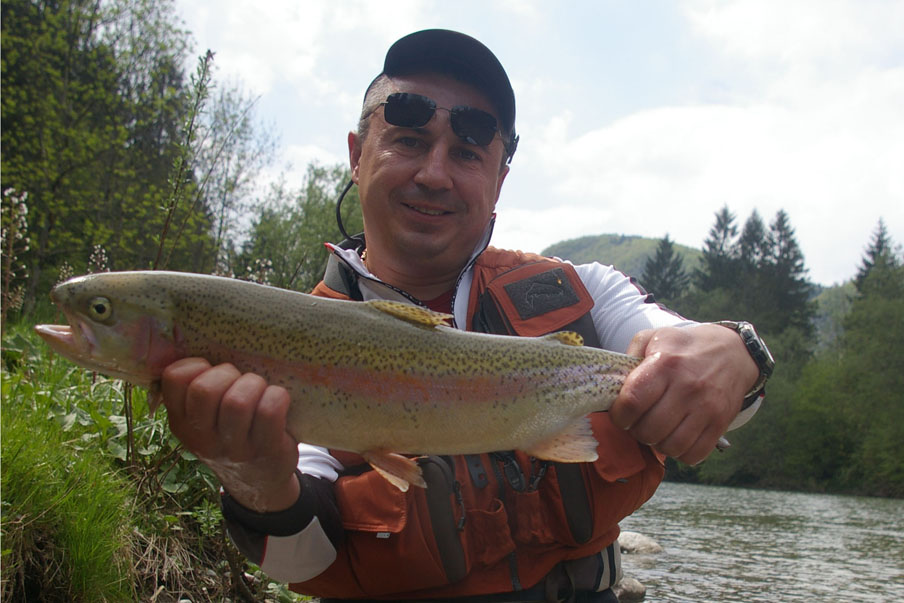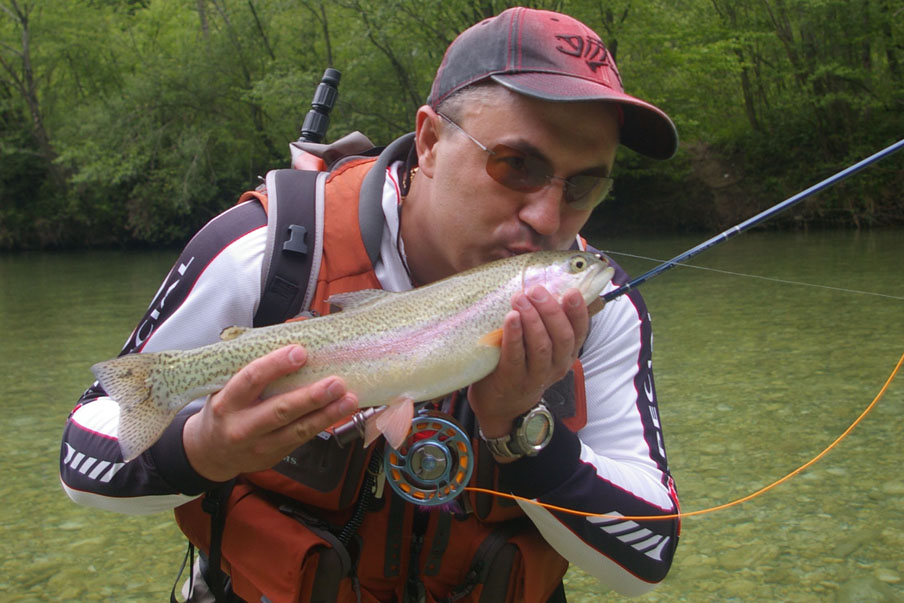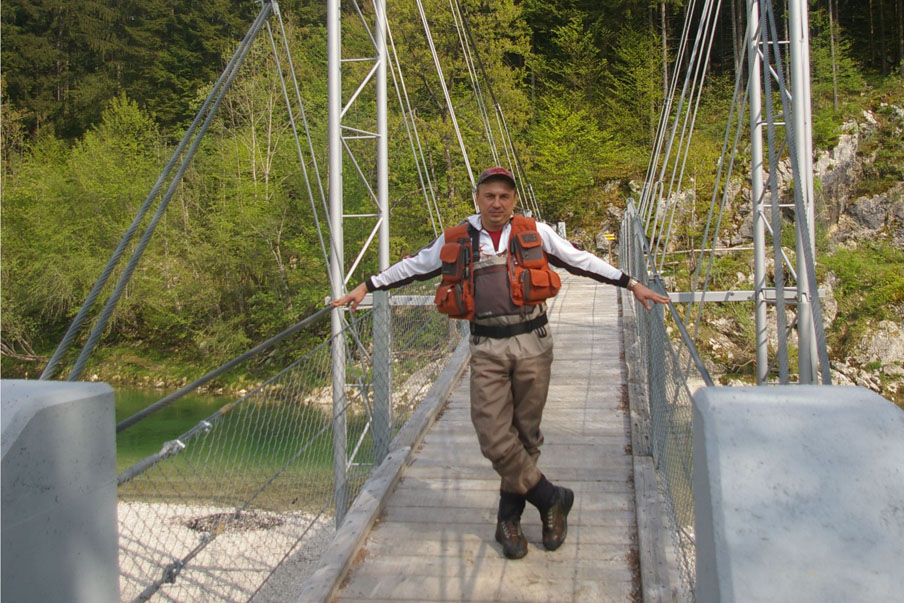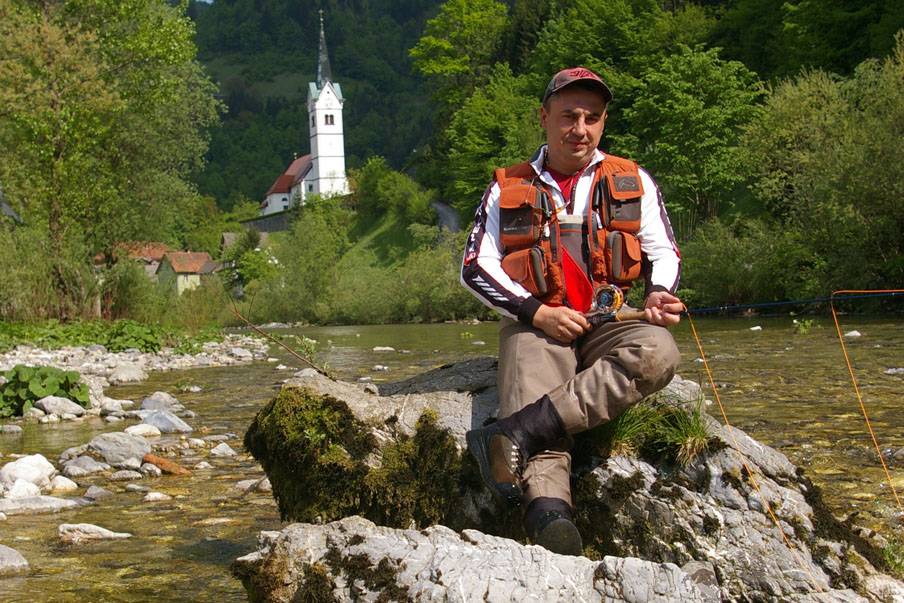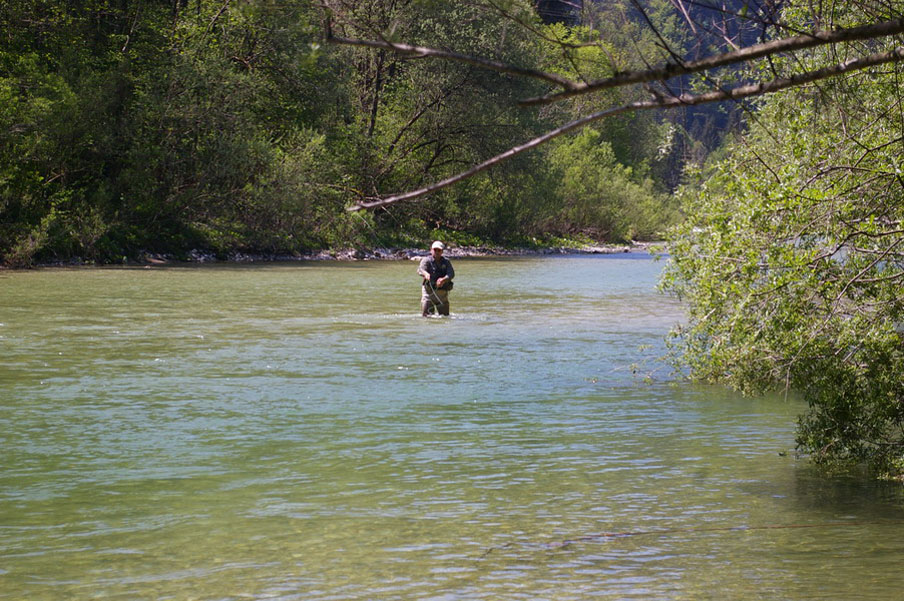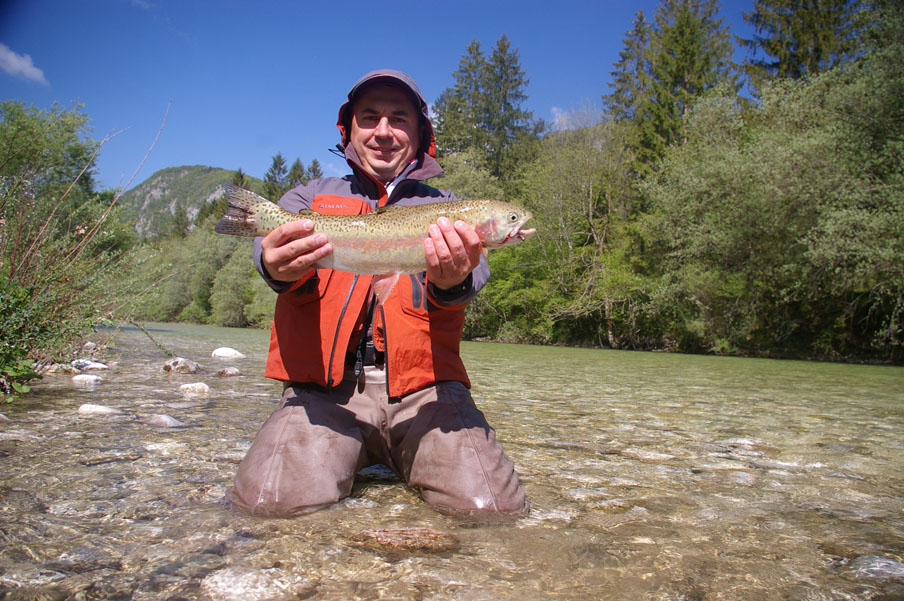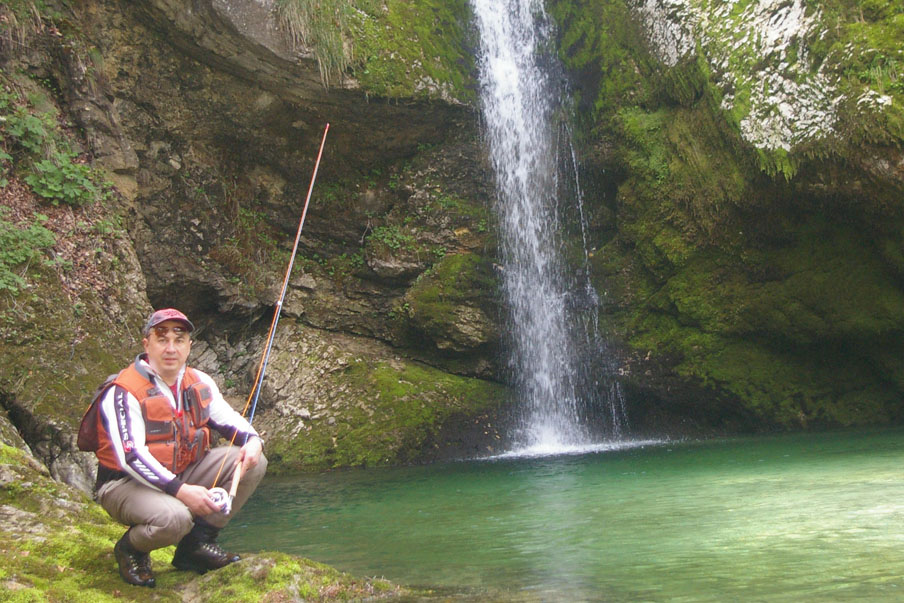

For fly fishing for brown trout, the rivers of Slovenia are a true mecca. It was to the Sava River that Yuriy Kostyantynovych went on his next fishing trip. This small country has a vast number of rivers and lakes that provide an excellent backdrop for trout fishing. Trout fishing in Slovenia is most common in spring, summer, and autumn when the weather is warmest. Slovenia is located in the Alpine-Danube region of Central Europe. The country is traversed by numerous rivers, many of which are teeming with trout. The Sava is not only the best river for trout fishing in Slovenia but also offers stunningly beautiful landscapes! This river is the most famous in the region among anglers. The emerald color of the water and the unique Alpine surroundings make it the perfect spot for both fishermen and other explorers of Slovenia. Moreover, it’s almost the only river in Slovenia (along with its tributaries) where you can catch the elusive marble trout. But the target of Yuriy’s hunt on this trip was the brown trout. Another common name for this fish is kumzha.
The color and body shape of brown trout vary greatly depending on their habitat. Typically, they have copper-brown sides, a dark back, and a creamy-white belly. Most of the fish’s body is covered in numerous round black spots with light edges, which are very different from the simple black dots of rainbow trout. The color of the dorsal fin can range from yellow-orange to dark brown, even black. The lower fins have yellow-olive, amber, or orange hues. Brown trout that live in large lakes and saltwater become noticeably lighter and have more silvery tones, without prominent dark spots.
Overall, brown trout are more adapted to warmer and more polluted water than other salmonids and trout, but they prefer fresh, cool water with a gentle current. They also like bodies of water with rocky and gravel bottoms and are less commonly found on sandy bottoms. Brown trout lead a sedentary lifestyle, staying near or around any cover—submerged logs, boulders, or variations in the bottom’s relief. They do not like to stay in open currents because there is no place to hide. Trout only leave their preferred spot during the spawning season, which occurs in late autumn, in November.
Brown trout are predatory fish that prefer to feed early in the morning or at dusk, although on cloudy days they can feed throughout the day. Adult fish usually eat small fish, while young ones feed on aquatic invertebrates, crustaceans, insect larvae, and are not above eating fry of other fish. During the warmer months, trout of all sizes are found in the upper layers of the water, actively feeding on insects that have fallen into the water. In cold weather, trout stay near the bottom, where they hunt.
As Yuriy notes, reeling in a kumzha is reminiscent of catching the more familiar fish to us—the chub. However, the strikes and runs are much stronger, more spontaneous, and chaotic. Kumzha, being a member of the salmon family, holds on until the last second, giving the angler a lot of positive emotions. The expedition to Slovenia on the Sava River left Yuriy with many positive emotions and pleasant memories!